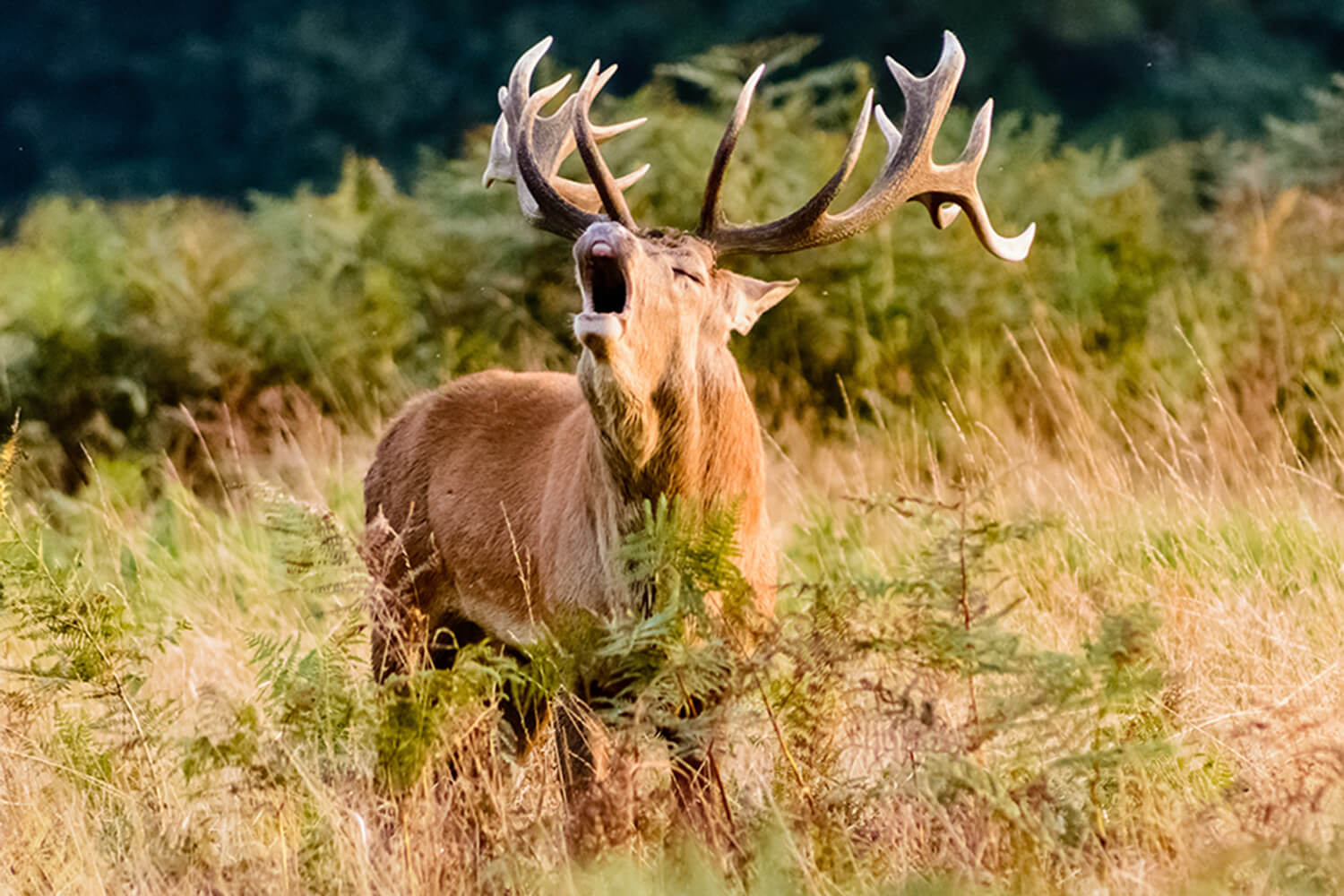
The red stag (Cervus elaphus) is regarded as the king of European big game – and ranks among the most sought-after game animals in the world, from Europe to South America. A mature stag carries massive antlers with well-formed crowns, which only old, fully mature stags develop – from the forests of Central Europe to the open expanses of Patagonia. His keen nose and sharp hearing make him a worthy adversary, one that demands patience, discipline and respect from the hunter.
Rotwild Red Deer Stag Cervus elaphus elaphus Cervus elaphus hippelaphus
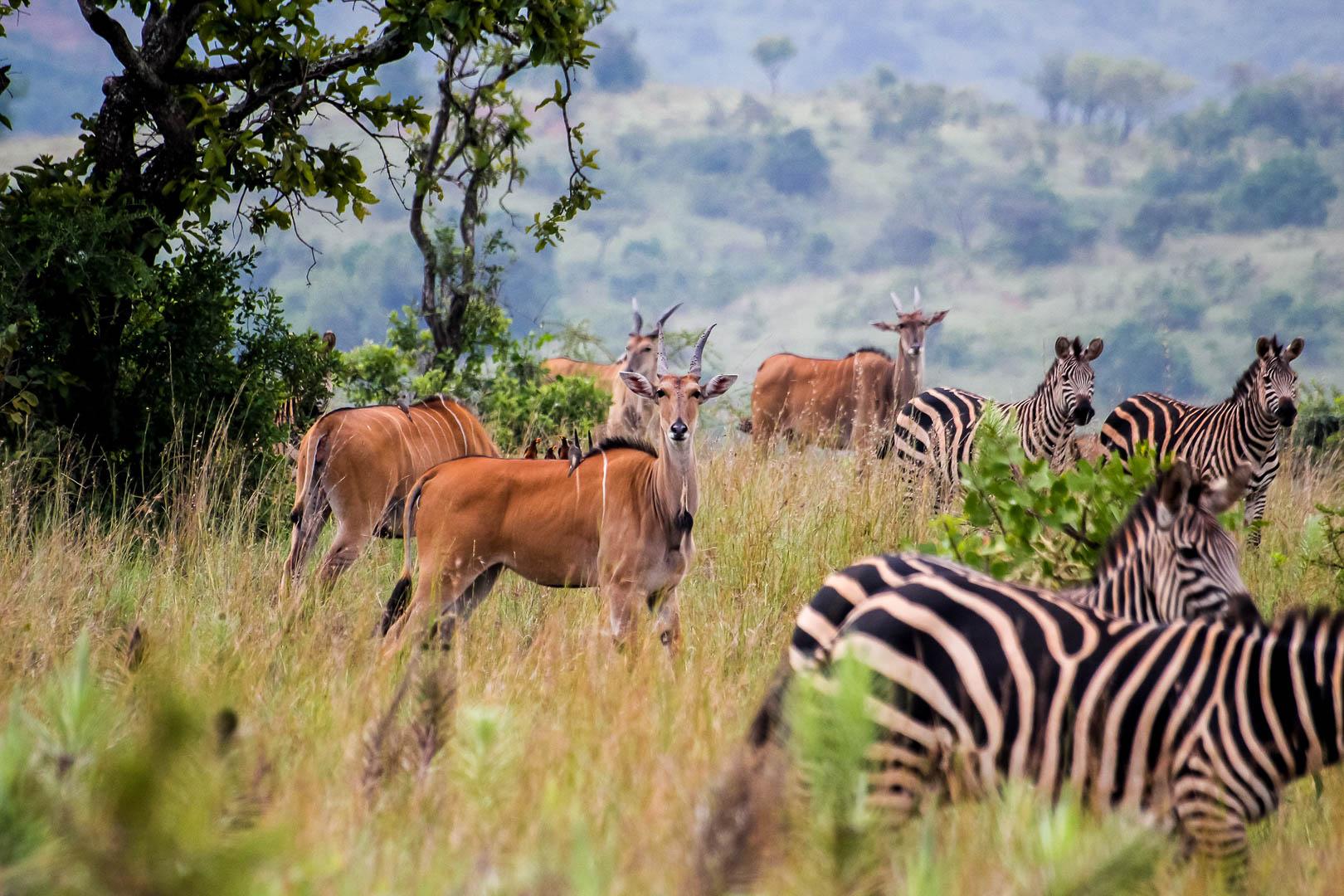
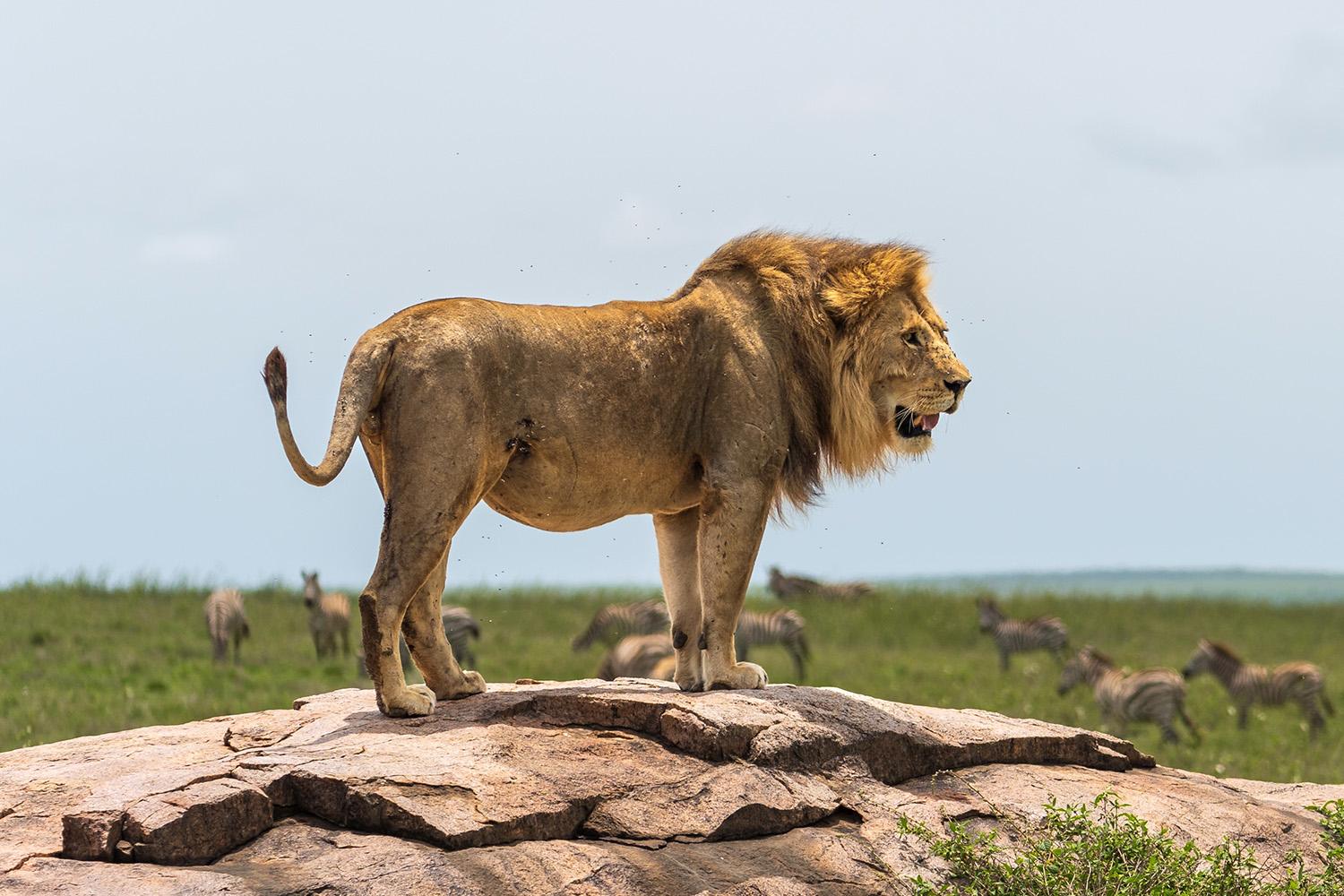
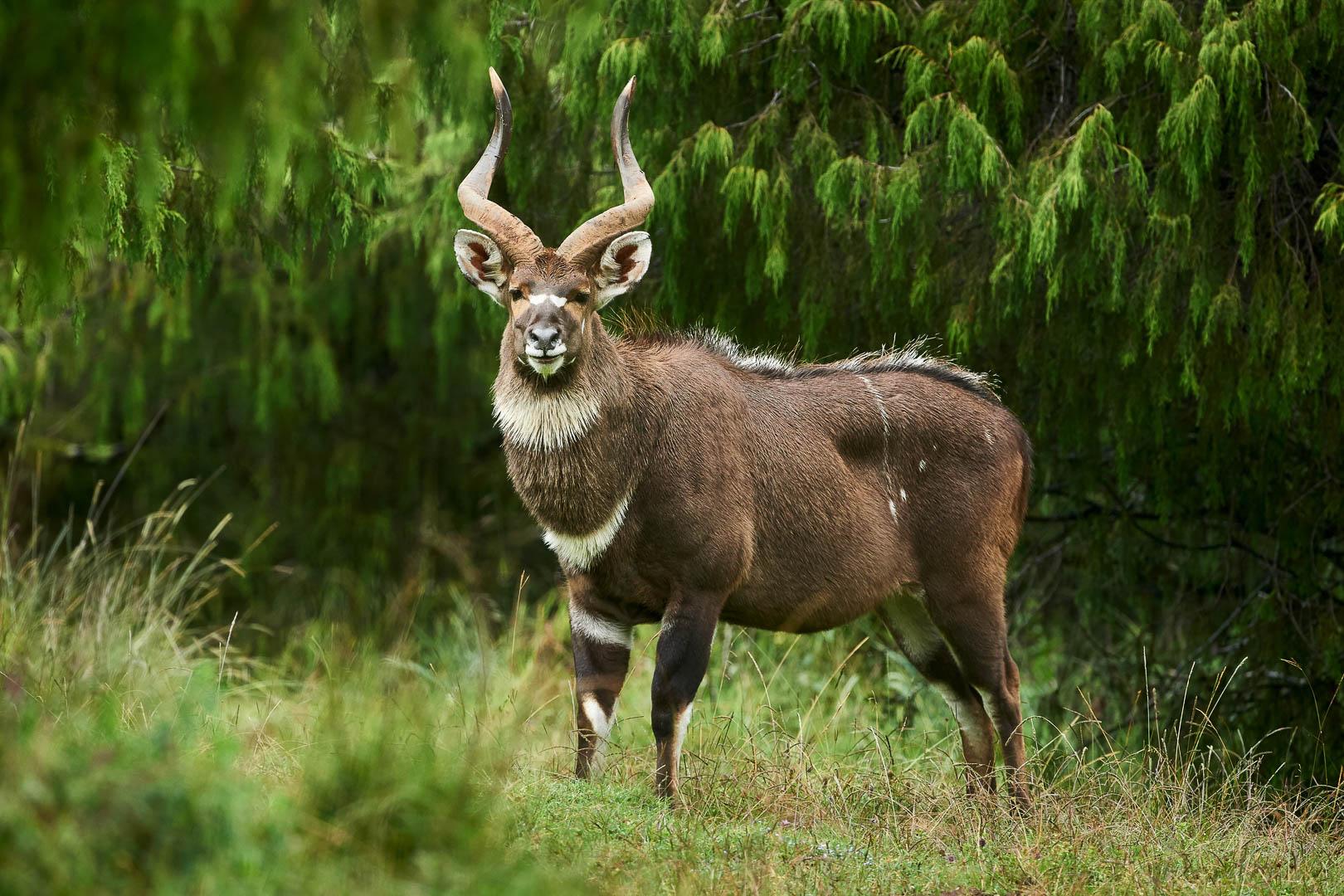
Plains game is the collective term for the game of Africa’s savannahs, semi-deserts and open woodland – above all, antelope. In southern Africa that means kudu, gemsbok, springbok, wildebeest, impala, waterbuck, hartebeest, nyala, sable and roan, along with zebra and warthog; the eland is the largest antelope in the world. East Africa adds lesser kudu, gerenuk, fringe-eared oryx and Grant’s and Thomson’s gazelle. Each species calls for its own knowledge of habits and habitat: kudu keep to the bush, gemsbok and springbok cross open ground, waterbuck stay close to water.
Plainsgame Plains Game hunting Steppenwild Antilopen Antelope Antelopes Impala Gnu Wildebeest Wasserbock Waterbuck Hartebeest Kuhantilope Zebra Blessbock Blesbok Pferdeantilope Roan Gazelle Riedbock Reedbuck Steinböckchen Steenbok Klippspringer Lechwe Puku Tsessebe
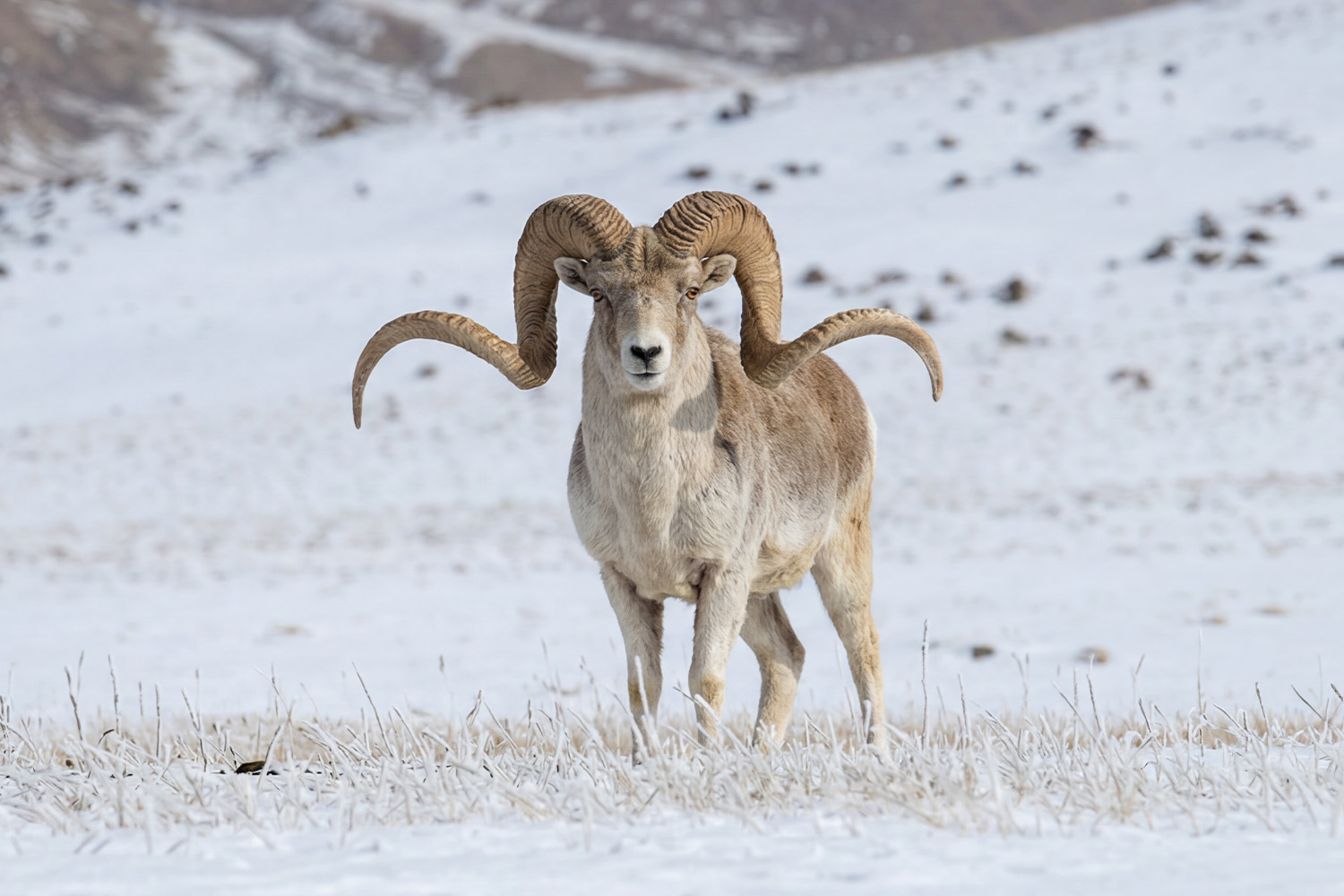
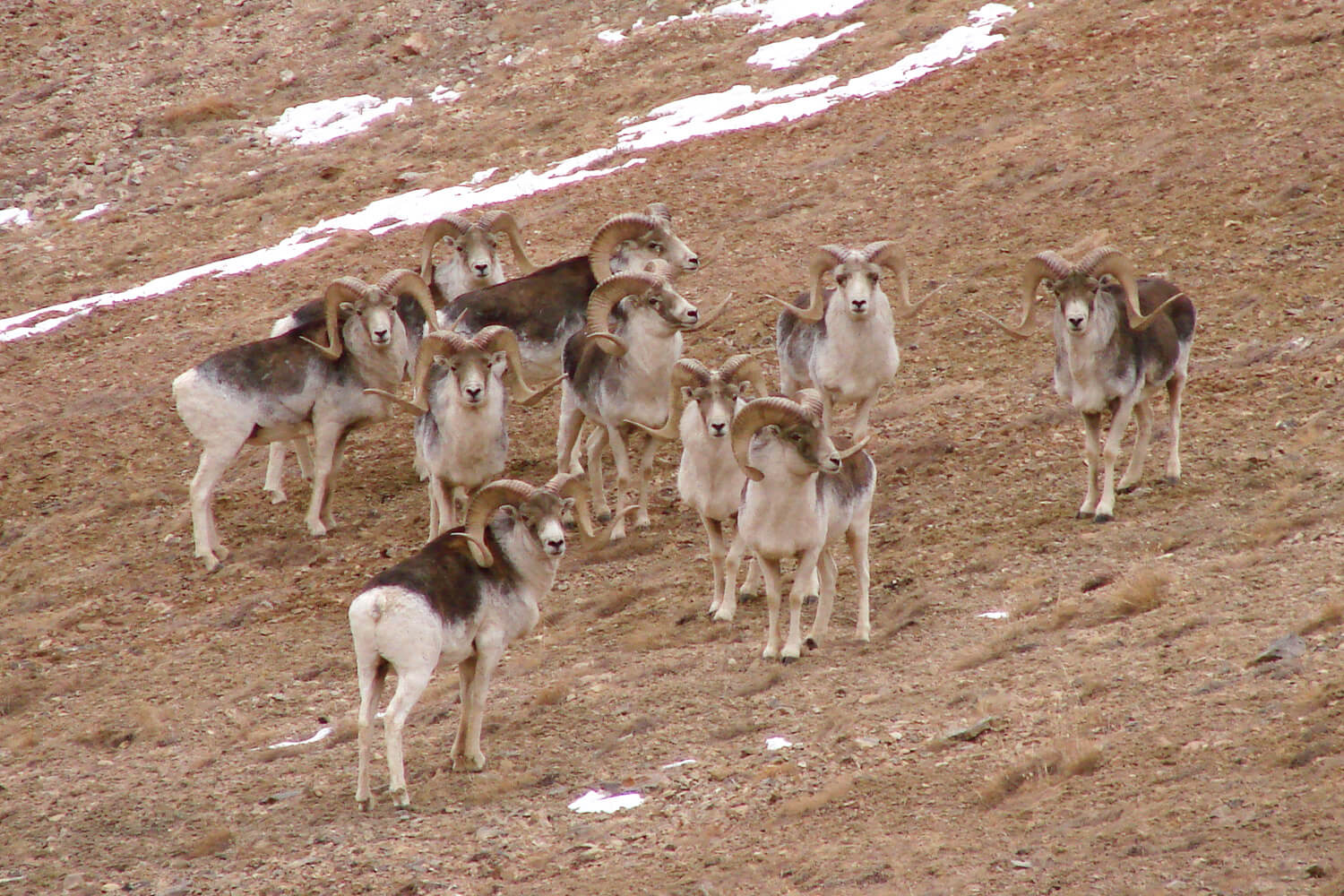
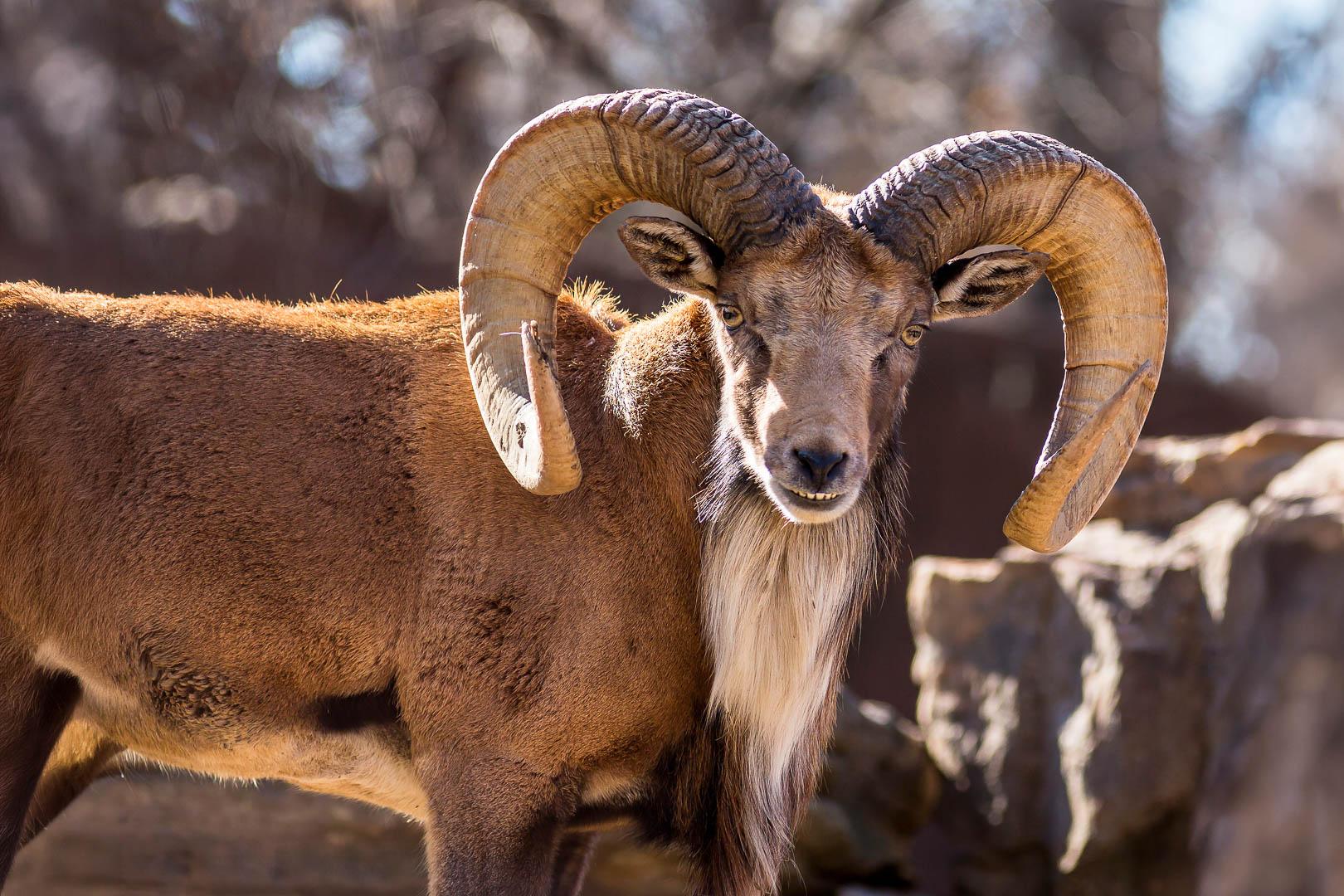
The Marco Polo sheep carries the longest horns of any wild sheep – on old rams well over one and a half metres, more slender in the curl than the massive horns of the Mongolian Altai argali. We hunt it in two mountain ranges: in the Pamir of eastern Tajikistan, on the borders with Afghanistan and China, and in the Tien Shan of Kyrgyzstan. In record books such as the SCI's, the rams of the Tien Shan form a separate category, the Tien Shan argali. Marco Polo described the wild sheep in the 13th century – hence the name.
Wildschaf Schafe Marco Polo Argali Marco-Polo-Schaf Marco Polo Sheep Ovis ammon polii karelini Pamir Tien Shan Tian Shan Tien-Shan-Argali Tadschikistan Kirgisistan Tajikistan Kyrgyzstan
Steinwild Spanish Ibex Iberian Ibex Capra pyrenaica Capra pyrenaica victoriae Capra pyrenaica hispanica
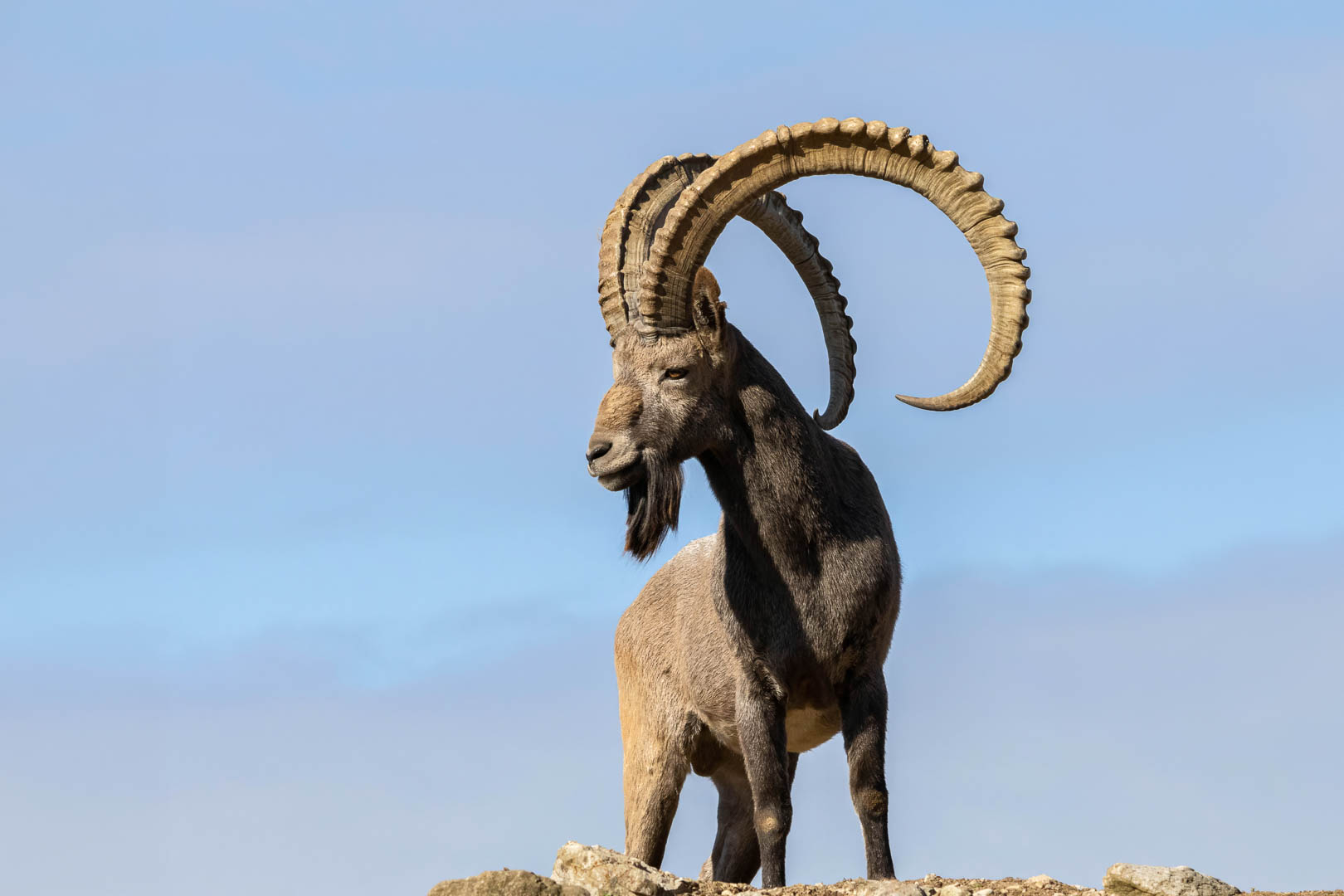
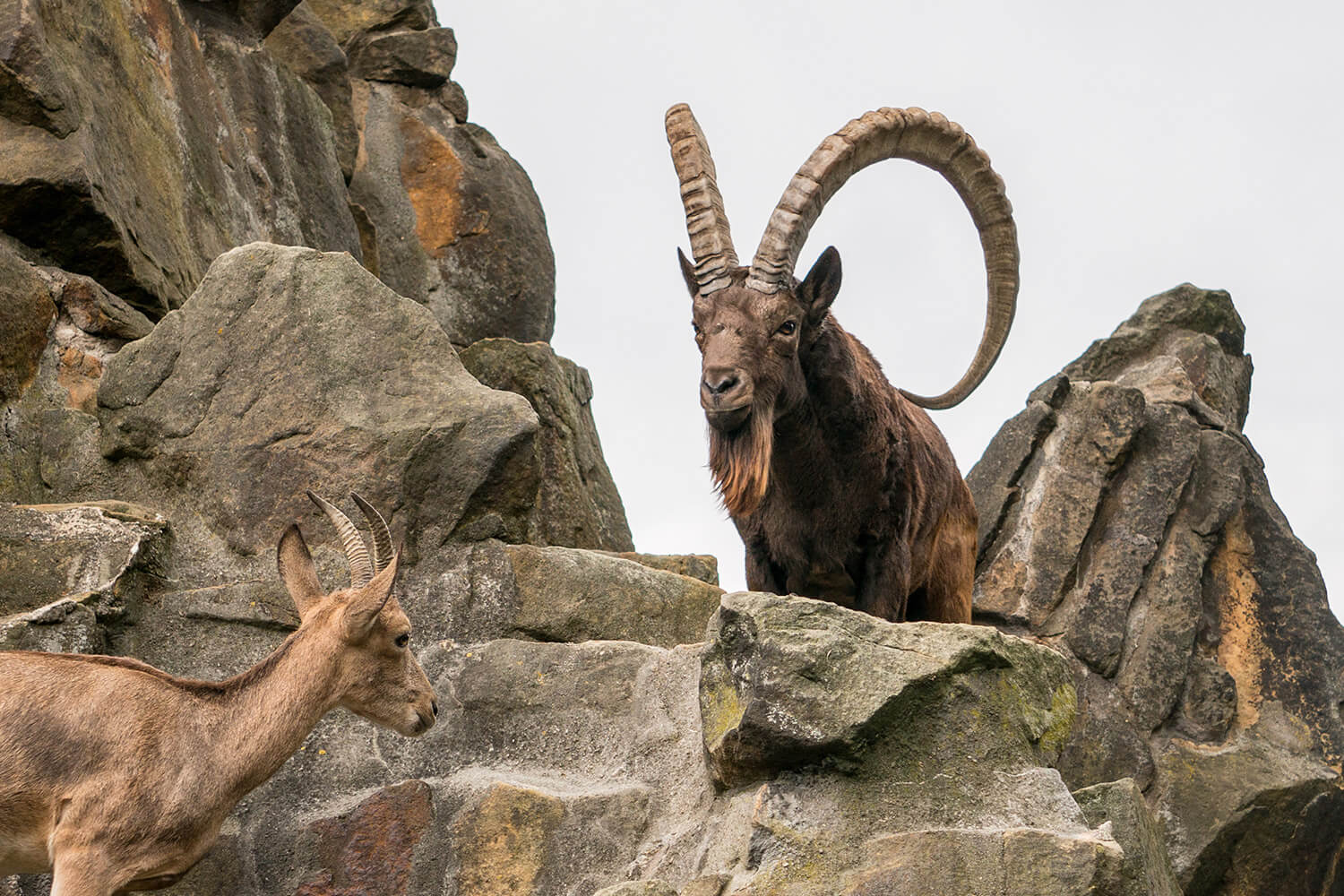
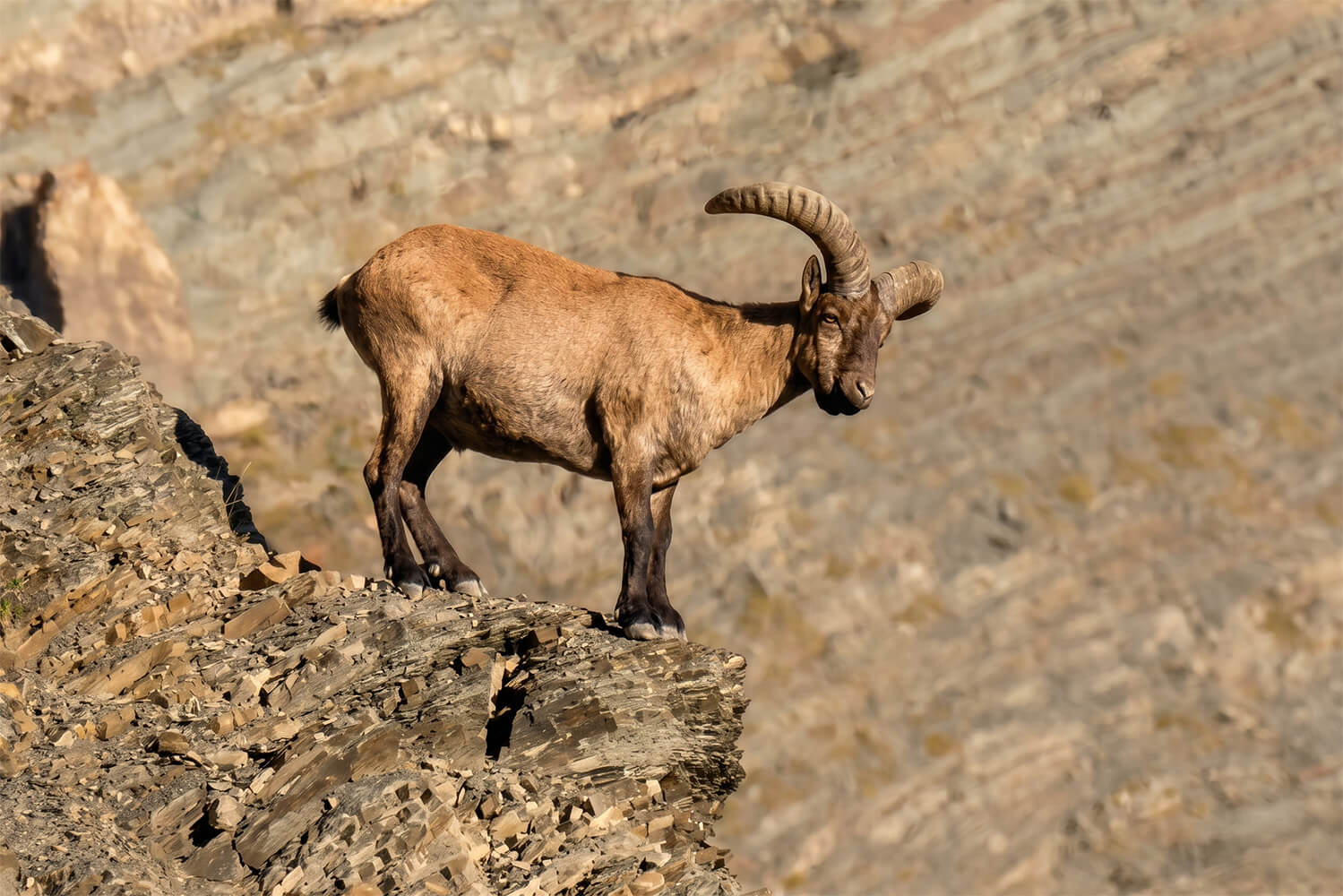
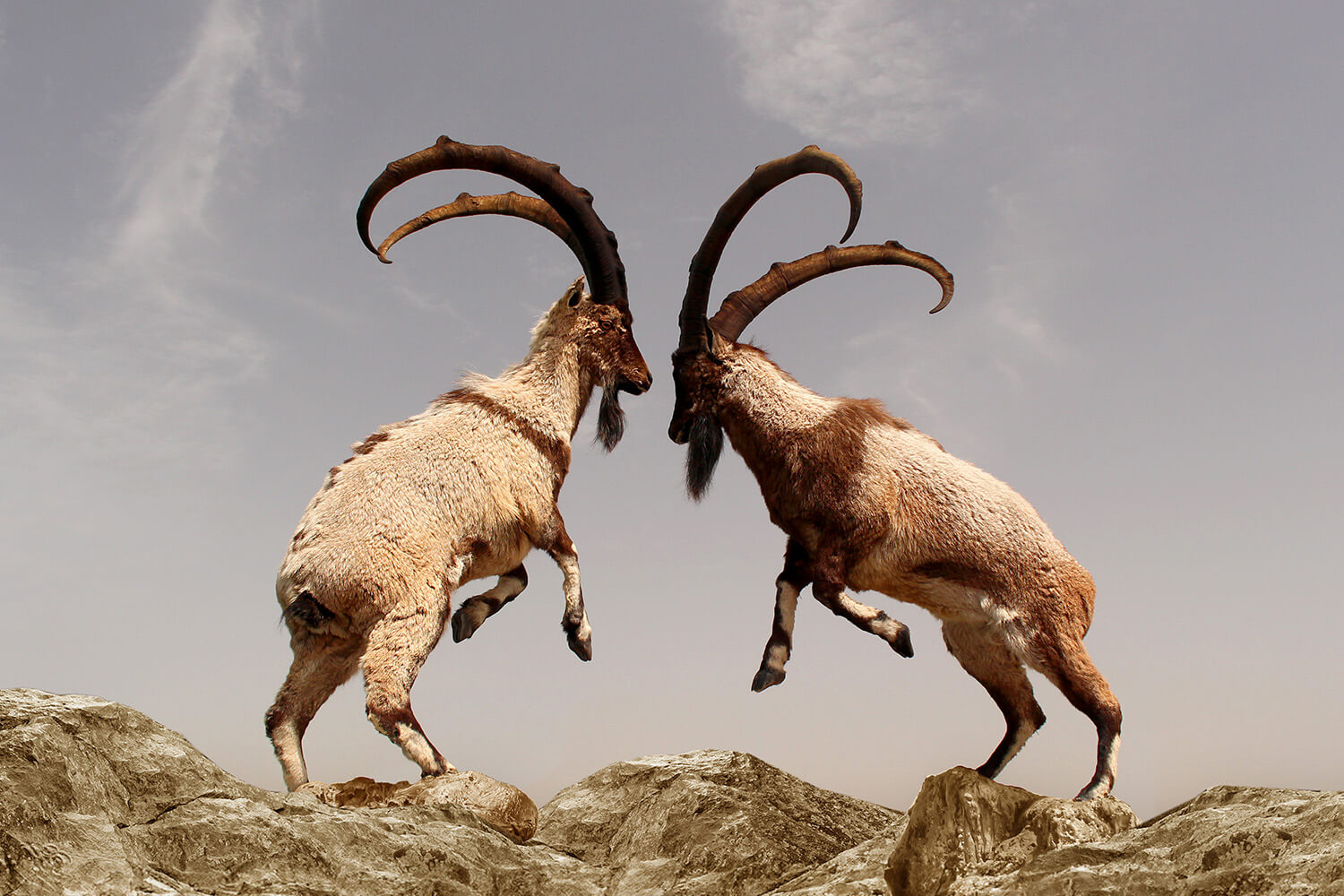
The Siberian ibex (Capra sibirica) is the largest and heaviest of all ibex. Old males carry mighty horns, sweeping far back, with pronounced knobs along the front – one of the most coveted high-mountain trophies of all. Sure-footed, he moves across near-vertical rock faces and is perfectly adapted to a harsh wilderness in which he forms herds and makes use of long lines of sight. Whoever wants to take him has to go where he lives.
Steinwild Siberian Ibex Capra sibirica
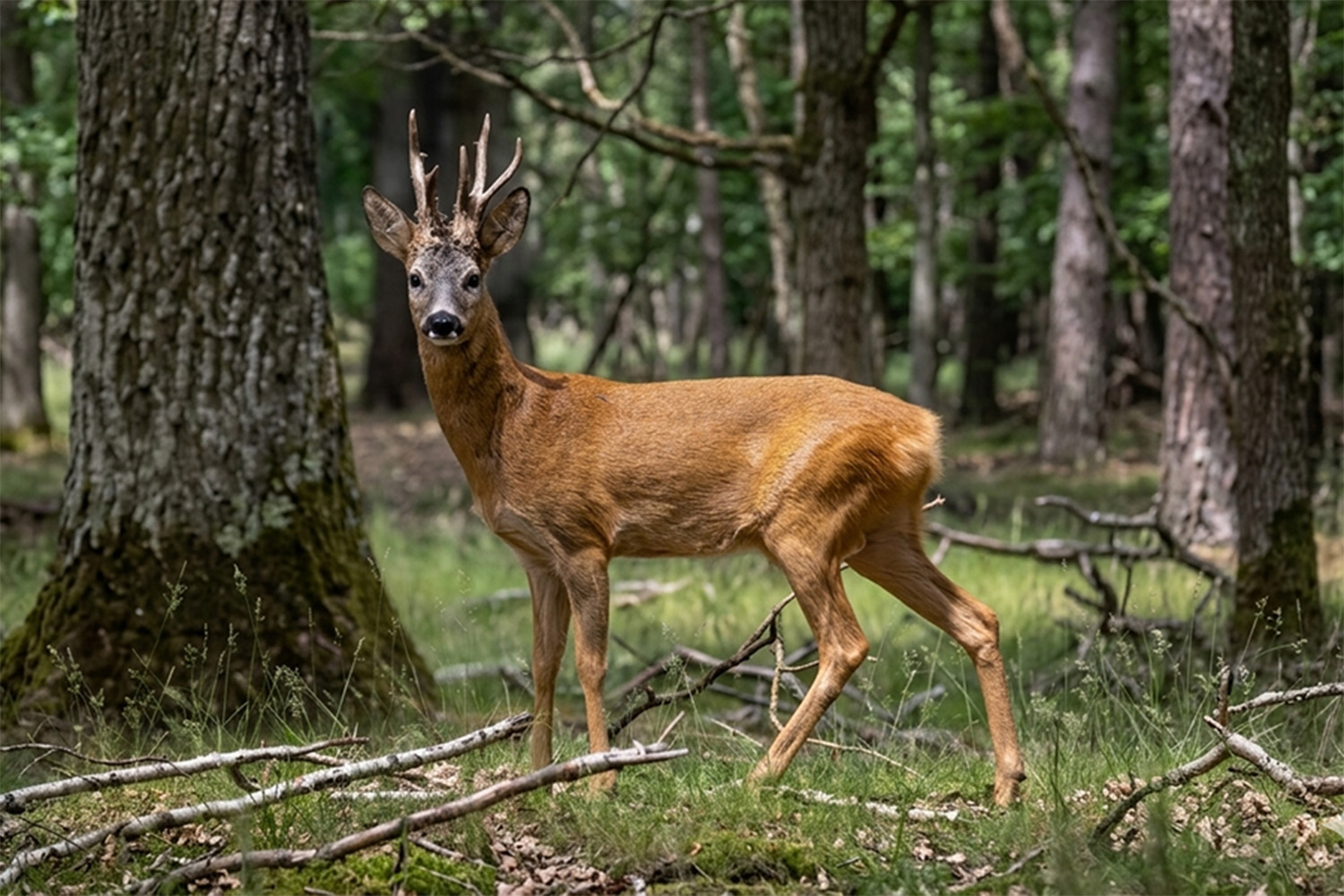
The roebuck (Capreolus capreolus) is the smallest native hoofed game in Europe – and as a trophy, a science in its own right. The antlers are judged by weight, pearling, coronets and spread; what counts is not height but mass. By spring they are cleaned of velvet, and the buck stands in his red summer coat in his territory, which he defends against rivals. Nose and hearing are excellent; the eye reacts above all to movement. At home in cultivated land, he lives between forest, field and meadow – within sight of people, and yet hard to hunt.
Rehwild Ricke Roe Deer Roebuck Capreolus capreolus
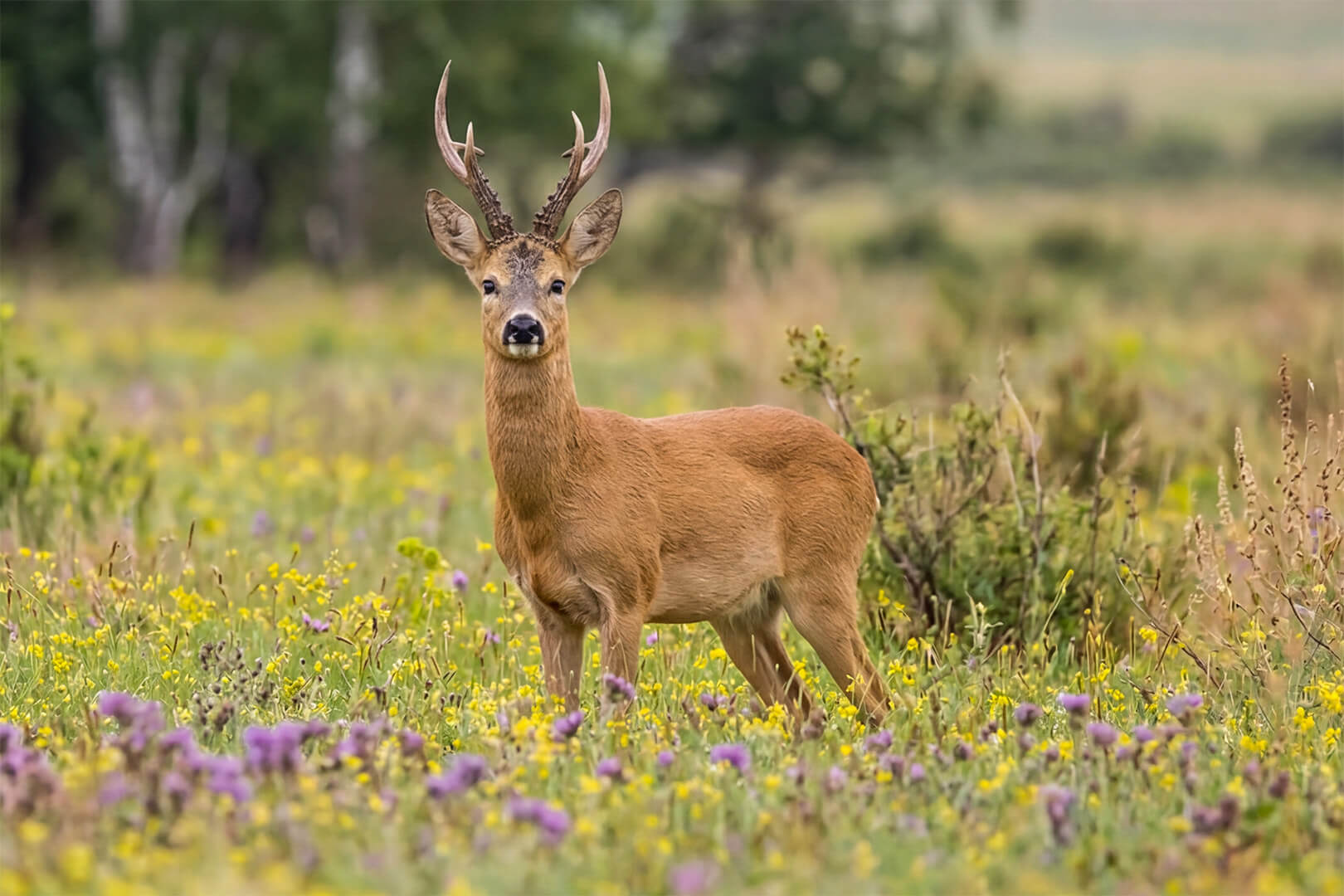
The Siberian roebuck (Capreolus pygargus) is a roe deer – just on a different scale. A strong buck weighs 40 to 50 kilograms at around one metre at the shoulder, giving him the build of a Central European fallow pricket. His antlers are massive, dark and heavily pearled, and rich in points – eight- and ten-pointers are no rarity. Beam lengths of over 40 centimetres occur; a buck is only considered outstanding from about 700 grams of antler weight. He lives in a forest steppe of fields, meadows and scattered islands of woodland. He has kept all the wariness of the roe deer.
Rehwild Ricke Siberian Roe Deer Roebuck Capreolus pygargus
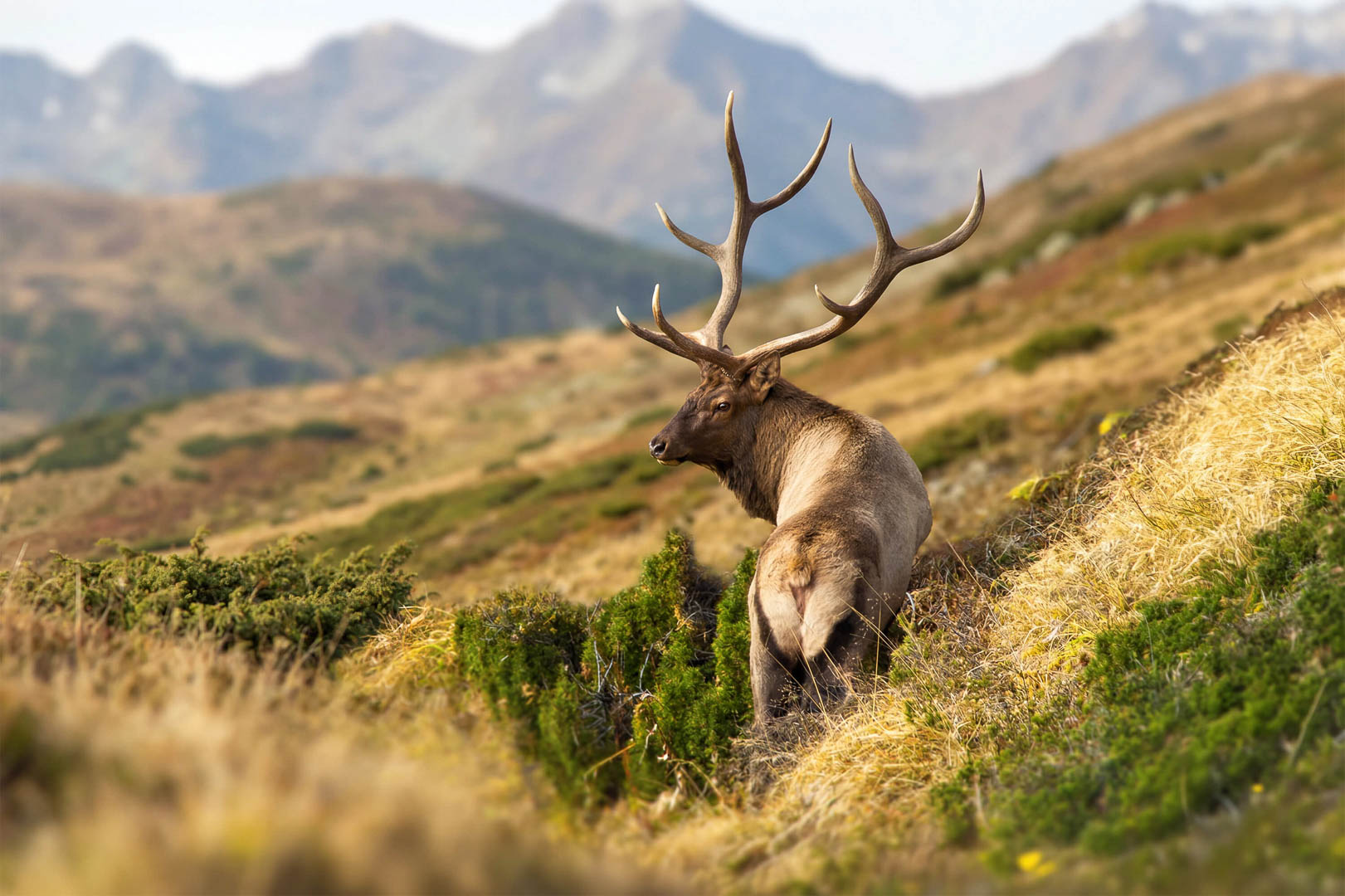
The maral is a wapiti, not a red deer – and it shows. An old stag weighs up to 350 kilograms, carries antlers of between 11 and 16 kilograms during the rut, and with them the dark mane by which he is instantly recognised. He lives where mountain forest gives way to open high ground, and moves between the two all year round. His calls carry across entire valleys.
Rotwild Maralhirsch Siberian Red Deer Stag Cervus elaphus songaricus Cervus elaphus sibiricus
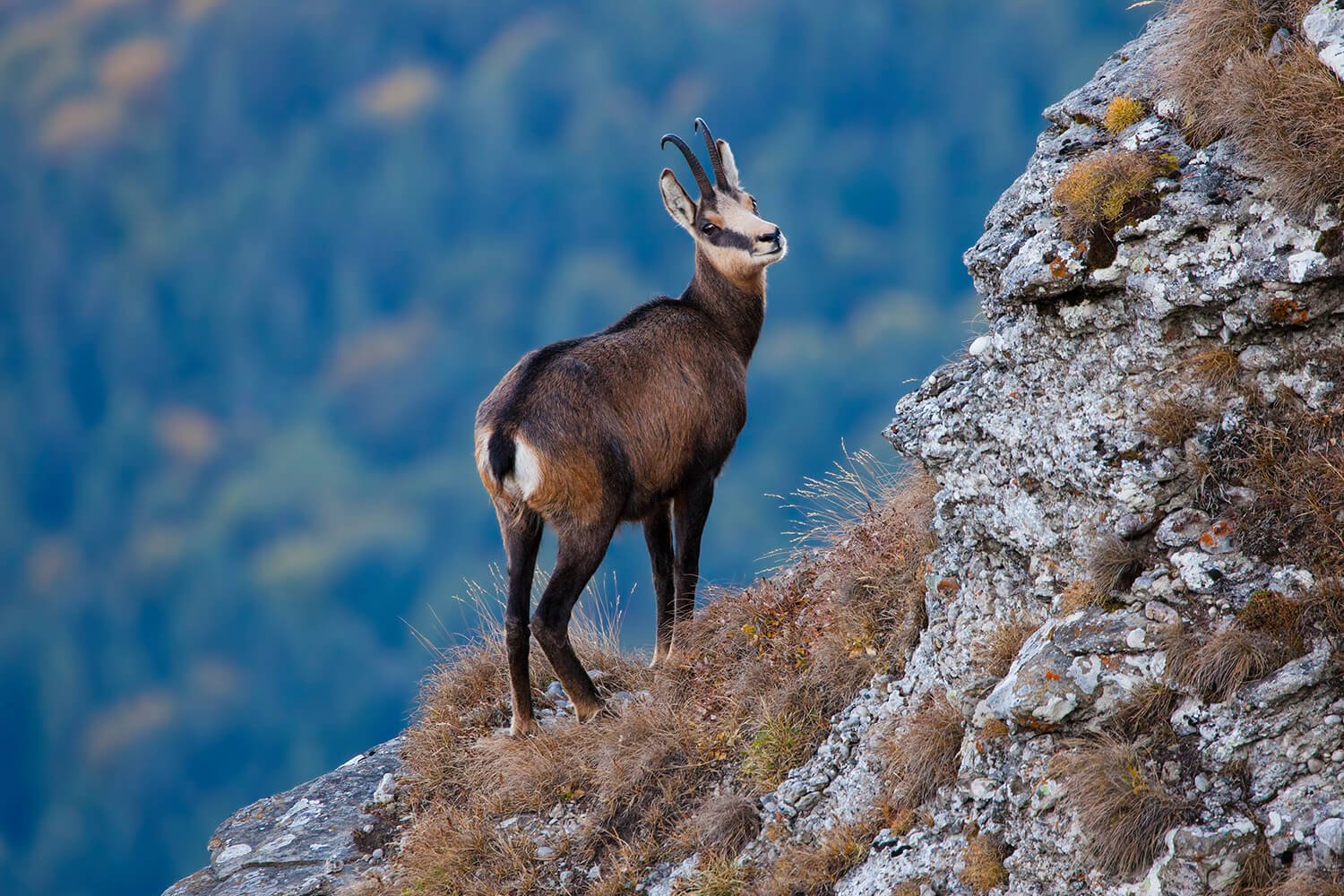
In chamois, both buck and doe carry horns – hooked horns that keep growing throughout life, and whose length and age determine the score. That is precisely what makes judging the real difficulty: sex and age are hard to tell apart at a distance, and without confident judging, no shot is taken. Add to this eyesight that is superior to a human’s in open terrain – whoever approaches from below is seen long before he sees anything himself. In winter the coat turns deep black with light markings on head and throat.
Gamswild Gämse Gaemse Gemse Gamsbock Gamsgeiß Gamsgeiss Chamois Rupicapra spp Rupicapra rupicapra carpatica Rupicapra rupicapra balcanica Rupicapra rupicapra tatrica Rupicapra rupicapra asiatica Rupicapra pyrenaica
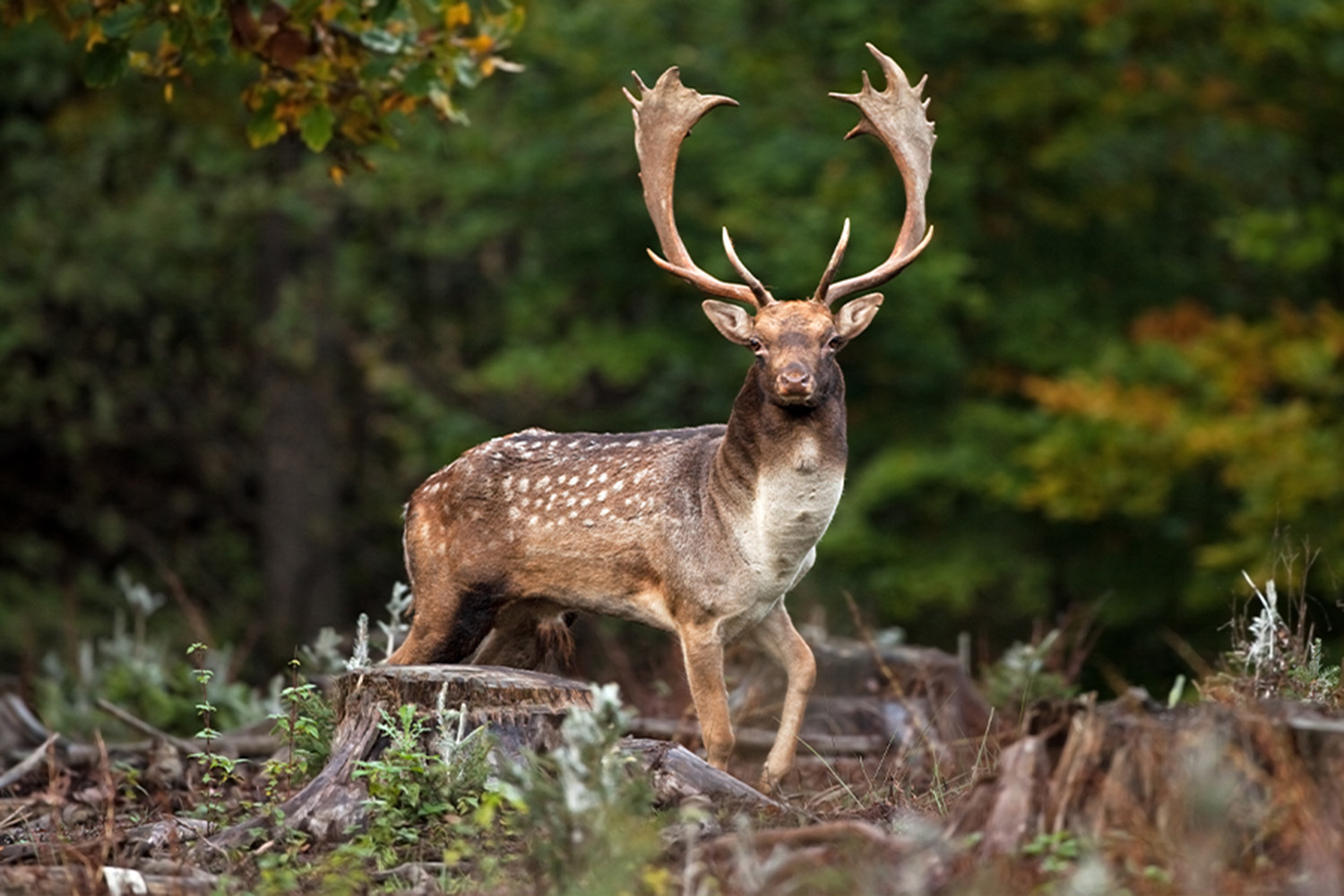
The fallow buck (Dama dama) is recognisable at first glance by his palmated antlers – and everything is measured against them: width, length and shape of the palm decide the trophy, and the mature, fully palmated buck is the declared goal. Originally native to the Mediterranean, fallow deer have been naturalised in many regions and today find ideal conditions in woodland as well as open farmland. They are highly gregarious and move in herds; the animals keep watch together and react sensitively to movement. Whoever stalks a herd is rarely dealing with just one pair of eyes.
Damwild Schaufler Fallow Deer Dama dama
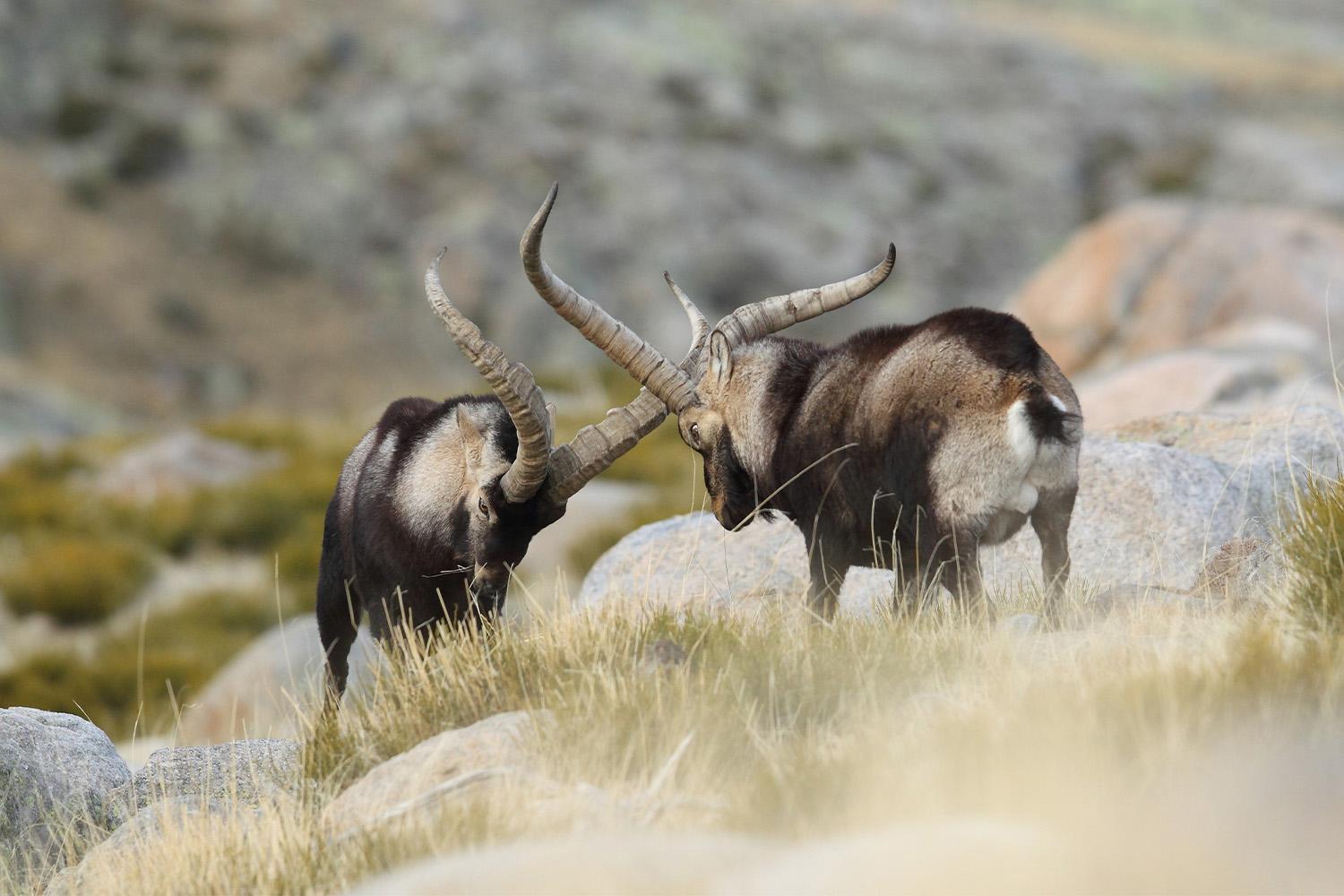
Ibex (Capra) live in high mountains, from the Alps, Spain and Turkey to Central Asia and the Himalaya. Almost every range has its own form. The Alpine ibex (Capra ibex) carries horns of up to 100 centimetres. The Iberian ibex occurs in four forms – Gredos, Beceite, Sierra Nevada and Ronda – told apart by the shape of their horns. The bezoar ibex (Capra aegagrus) of the Taurus Mountains has horns that are oval in cross-section, 100 to 120 centimetres long in strong males. The strongest is the Siberian ibex (Capra sibirica) of the Tien Shan, Pamir and Altai: males weigh 120 to 150 kilograms, and exceptional horns measure over 140 centimetres. All of them live on rock. Ibex stand where you can see them from afar but reach them only with effort.
Steinwild Steinböcke Steinbockjagd Alpensteinbock Alpine Ibex Capra ibex Capra spp
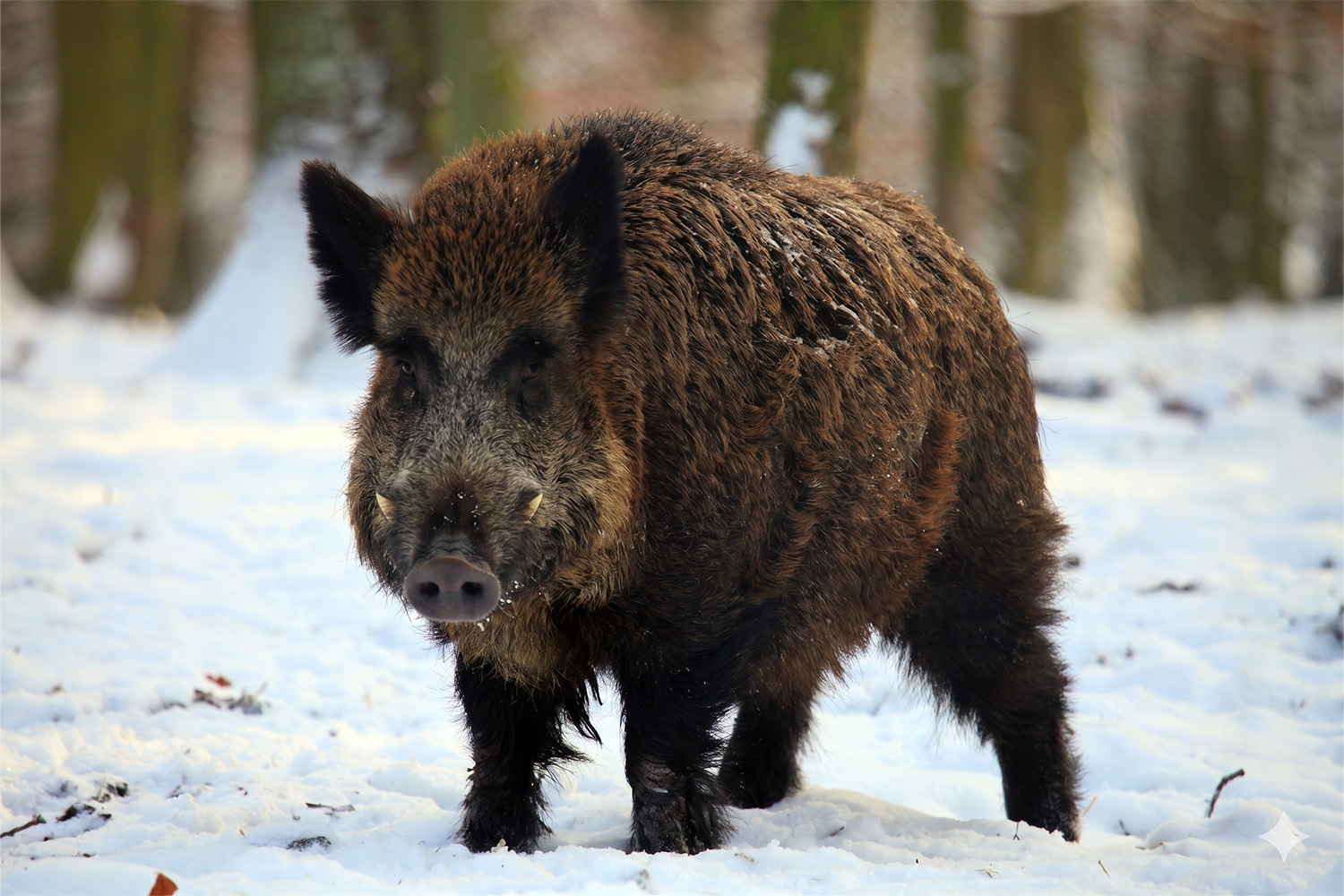
Wild boar (Sus scrofa) are the most formidable of all hoofed game – an adversary that commands respect. Mature boars can weigh over 200 kg; their trophy is the tusks, judged by length. The nose is outstanding, the hearing keen, the eyesight comparatively weak. Wild boar are clever, wary and largely nocturnal: sows and piglets live together in the sounder, while the old boar mostly goes his own way. Adaptable like few other species, wild boar are at home everywhere from lowland broadleaf forest to karst and mountains.
Schwarzwild Keiler Wildschwein Sauen Bache Frischling Überläufer Ueberlaeufer Schwarzkittel Wild Boar Hog Sus scrofa
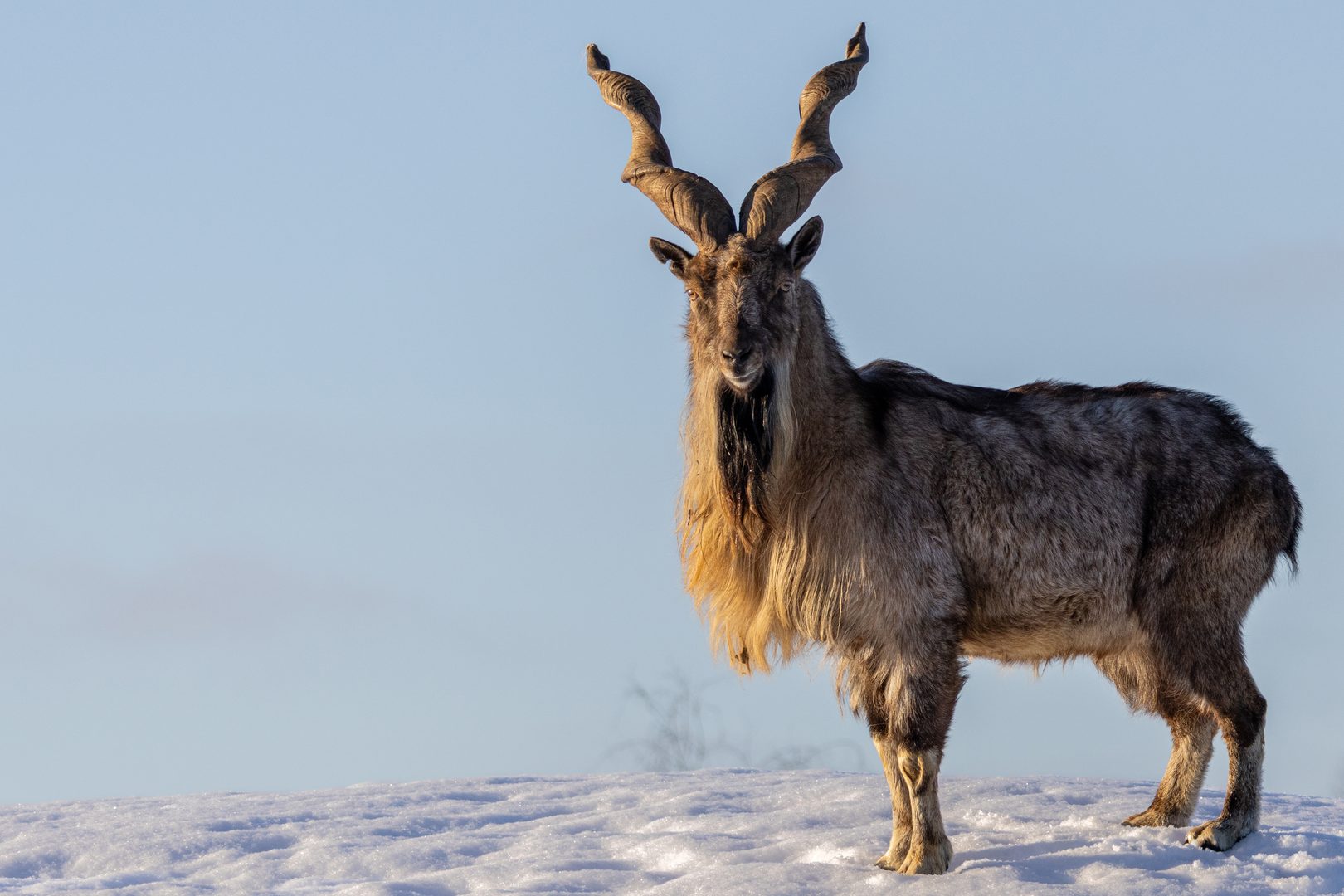
The markhor (Capra falconeri) is a wild goat of the mountains of Central and South Asia. Its horns grow upwards in corkscrew spirals and exceed a metre in mature males, and the male carries a long mane on its neck and chest. Four subspecies are hunted: the Bukharan markhor in southern Tajikistan, the Kashmir and Astor markhor in northern Pakistan, and the Sulaiman markhor between Punjab and Balochistan. The Astor markhor's spirals flare wide, while the Sulaiman male carries shorter horns. A Kashmir male weighs around 100 kilograms. Markhor are at home on steep rock and wooded slopes.
Markhor hunting screw-horned goat Capra falconeri heptneri Bukharan markhor Bukhara Kashmir markhor Astor markhor Sulaiman markhor Suleiman Schraubenziege Markhorjagd
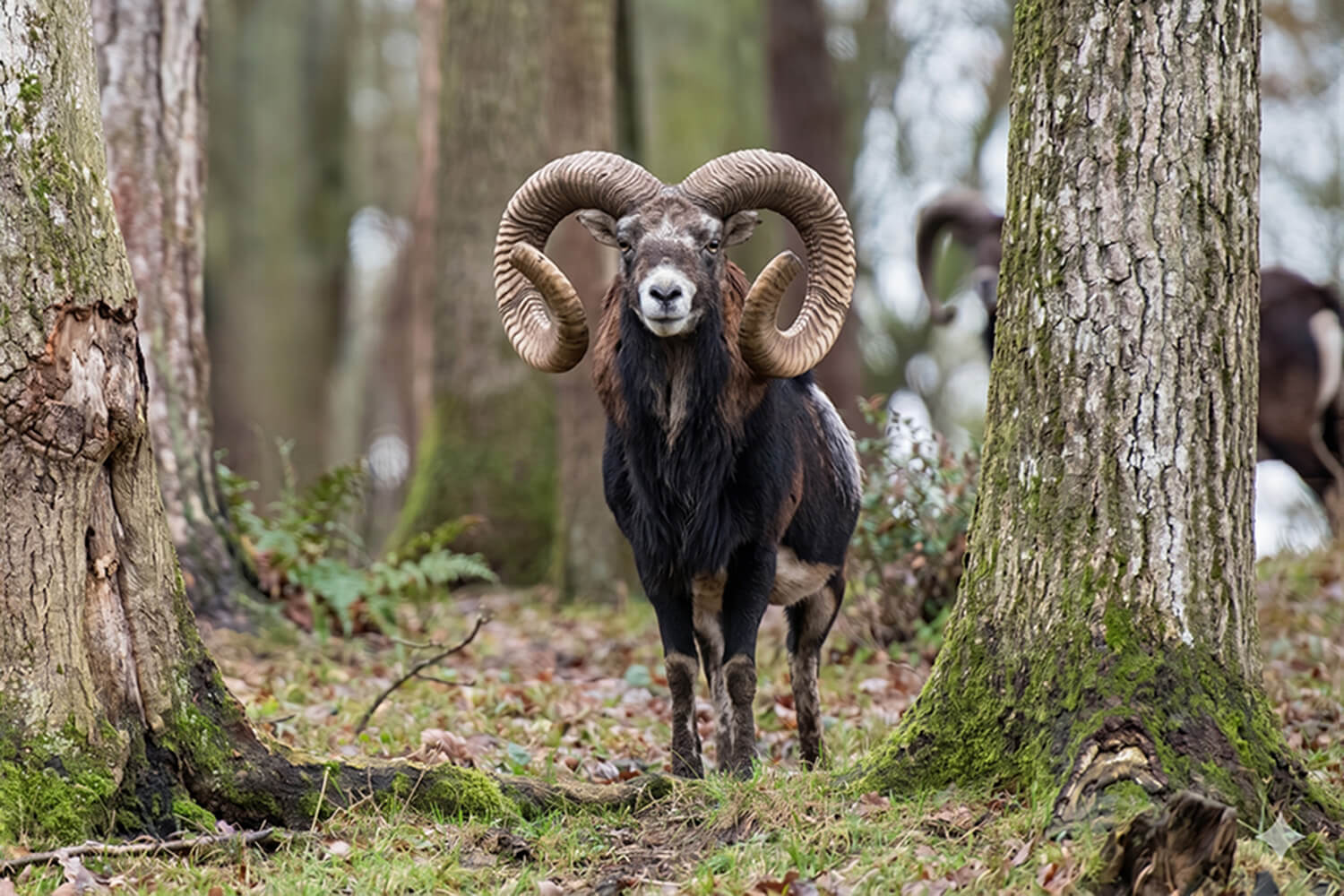
The European mouflon ram (Ovis gmelini musimon) originally comes from Corsica and Sardinia and is now naturalised in many countries. His hallmark is the horns: length, curl, base circumference and ridging make the trophy – and at the same time reveal the age of the ram. As a wild sheep, mouflon live in rocky, often steep terrain and rely above all on their eyes; they detect movement at great distances. Since they are also active by day, the hunt takes place in full light – cover and wind matter more than the time of day.
Muffelwild Mufflon Muffelwidder Wildschaf Schafe Mouflon Ovis gmelini musimon
Wildschaf Schafe Altai Argali Ovis ammon ammon
Amerikanischer Bison American Bison Buffalo Bison bison Bisonjagd
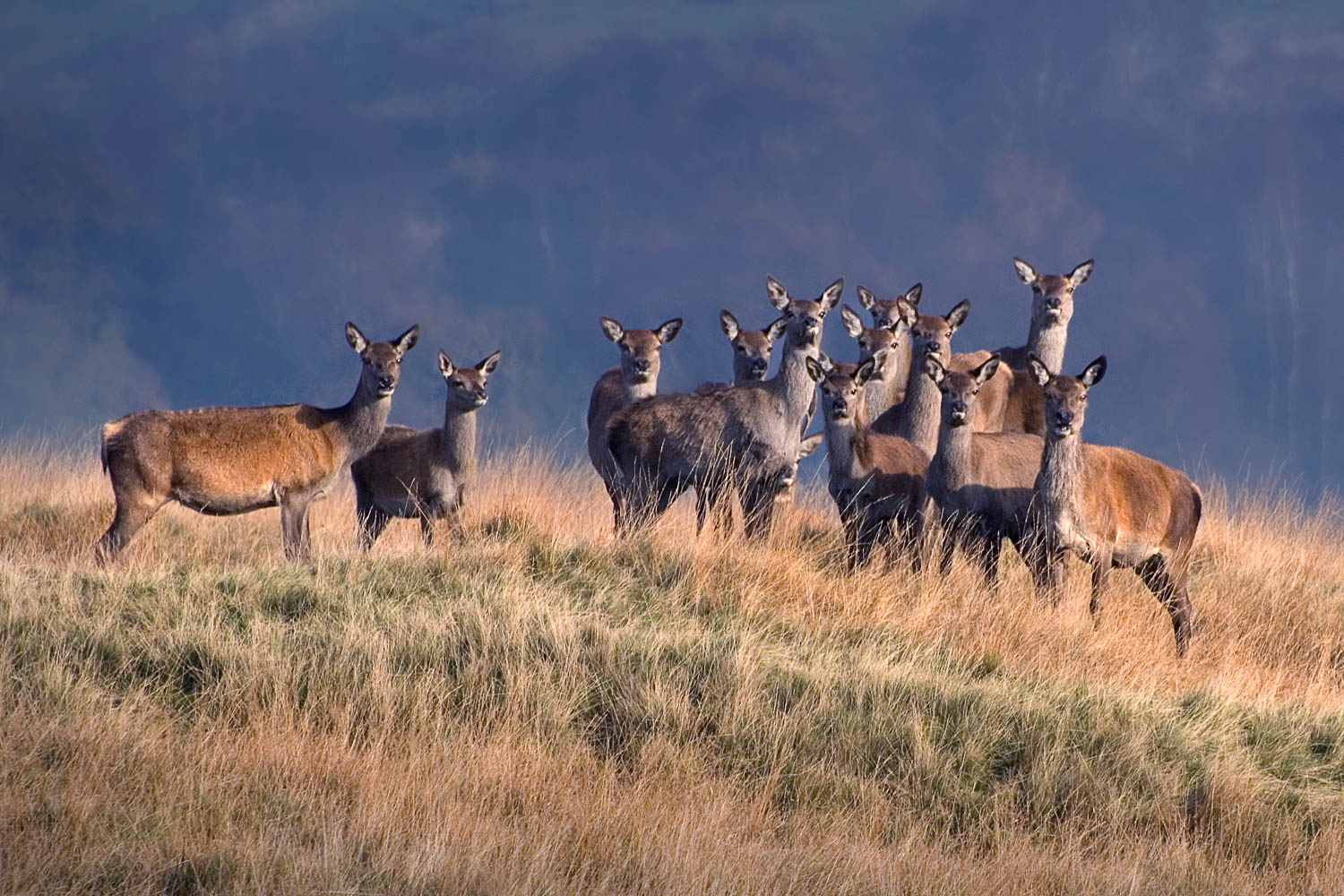
Antlerless deer are the females of red, fallow and sika deer, together with the calves: hinds, yearling hinds and calves. They carry no antlers, so there is no trophy. They are hunted because a population is managed through its females; a balanced ratio of stags to hinds is part of any sound management plan. Red hinds live in herds of mature hinds, calves and young animals. In the Scottish Highlands such herds grow large, and a hundred head or more is not unusual. Scottish red deer stay lighter than those of Eastern Europe: a hind weighs around 60 kilograms field-dressed.
Kahlwild Kahlwildjagd Rotkahlwild Damkahlwild Alttier Alttiere Schmaltier Damtier Kalb Kälber Rotwild weiblich Hind Hinds Doe Does Antlerless Cull Management Hunt
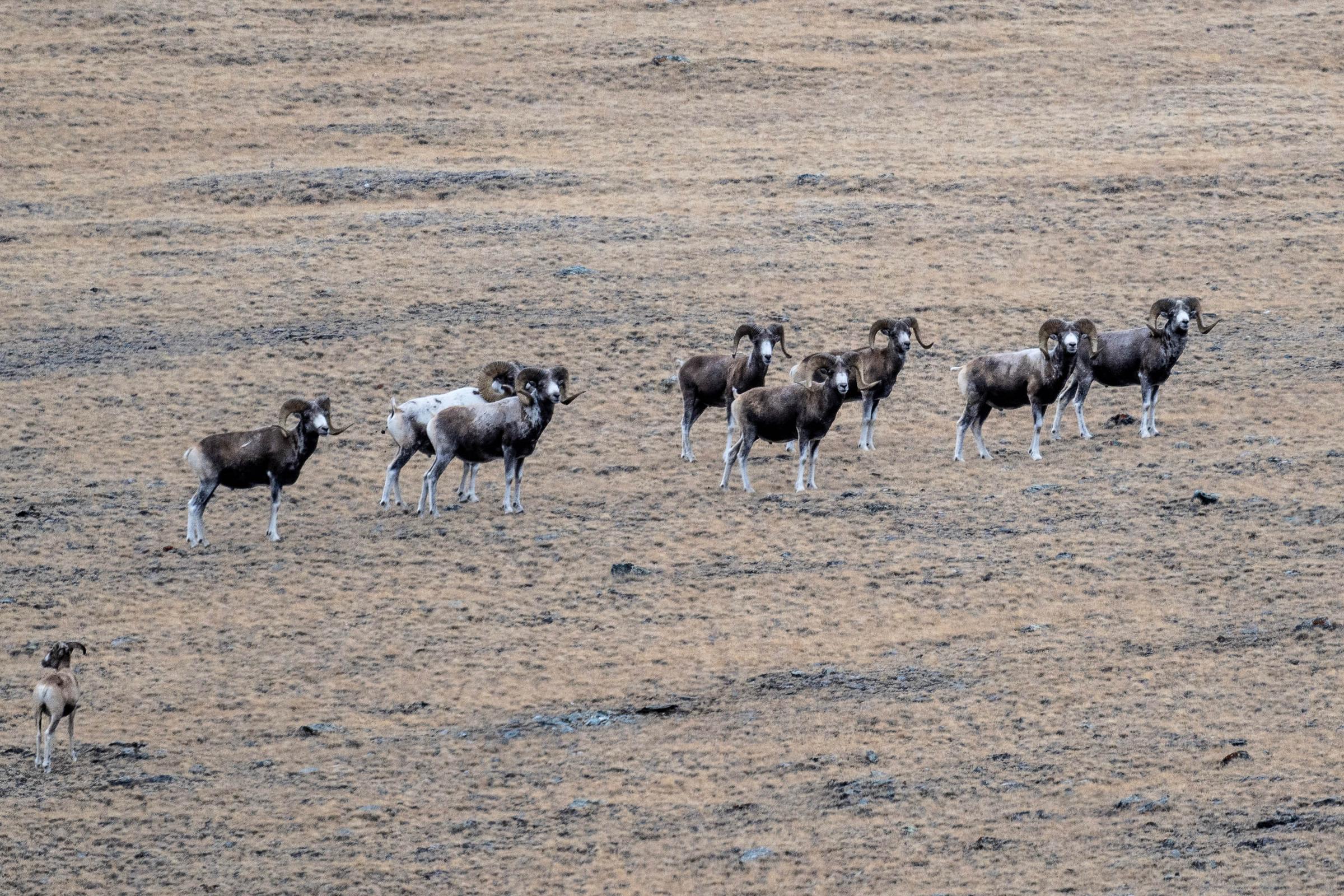
The argali (Ovis ammon) is the largest wild sheep in the world. It lives in the mountains and high steppes of Central Asia, and build, coat and horns differ markedly from one range to the next. Mongolia holds three forms. The most massive is the Altai argali of the west: dark coat, a pronounced neck mane and heavy horns of 47–59 inches (120–150 cm), with bases of up to 20 inches. The Hangai argali carries horns of around 47 inches, the more compact Gobi argali of the semi-desert around 40. The longest horns of any wild sheep belong to the Marco Polo argali of the Pamir in Tajikistan and the Tien Shan in Kyrgyzstan. Argali live in herds on open ground; in the Pamir, hundreds gather for the rut.
Wildschaf Schafe Wildschafe Argalis Argalijagd Argali-Jagd Argali Hunt Argali Hunting Riesenwildschaf Altai-Argali Altai Argali Hangai-Argali Hangai Argali Gobi-Argali Gobi Argali Hume-Argali Hume Argali Ovis ammon Ovis ammon ammon Ovis ammon darwini Ovis ammon hangaii Ovis ammon humei Ovis ammon matisoni Mongolei Mongolia
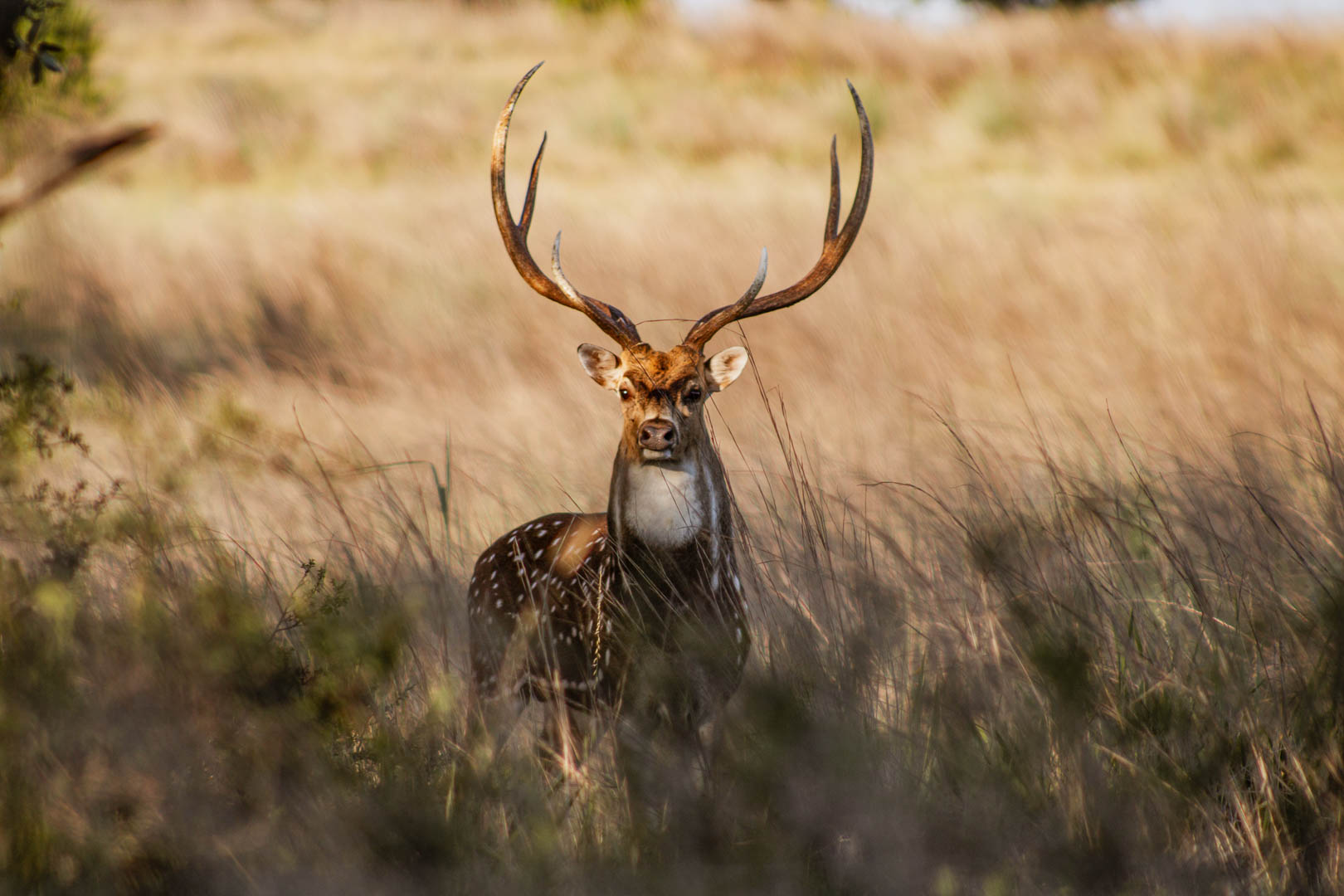
Axis Chital Axishirsch Axis Deer Chital Deer
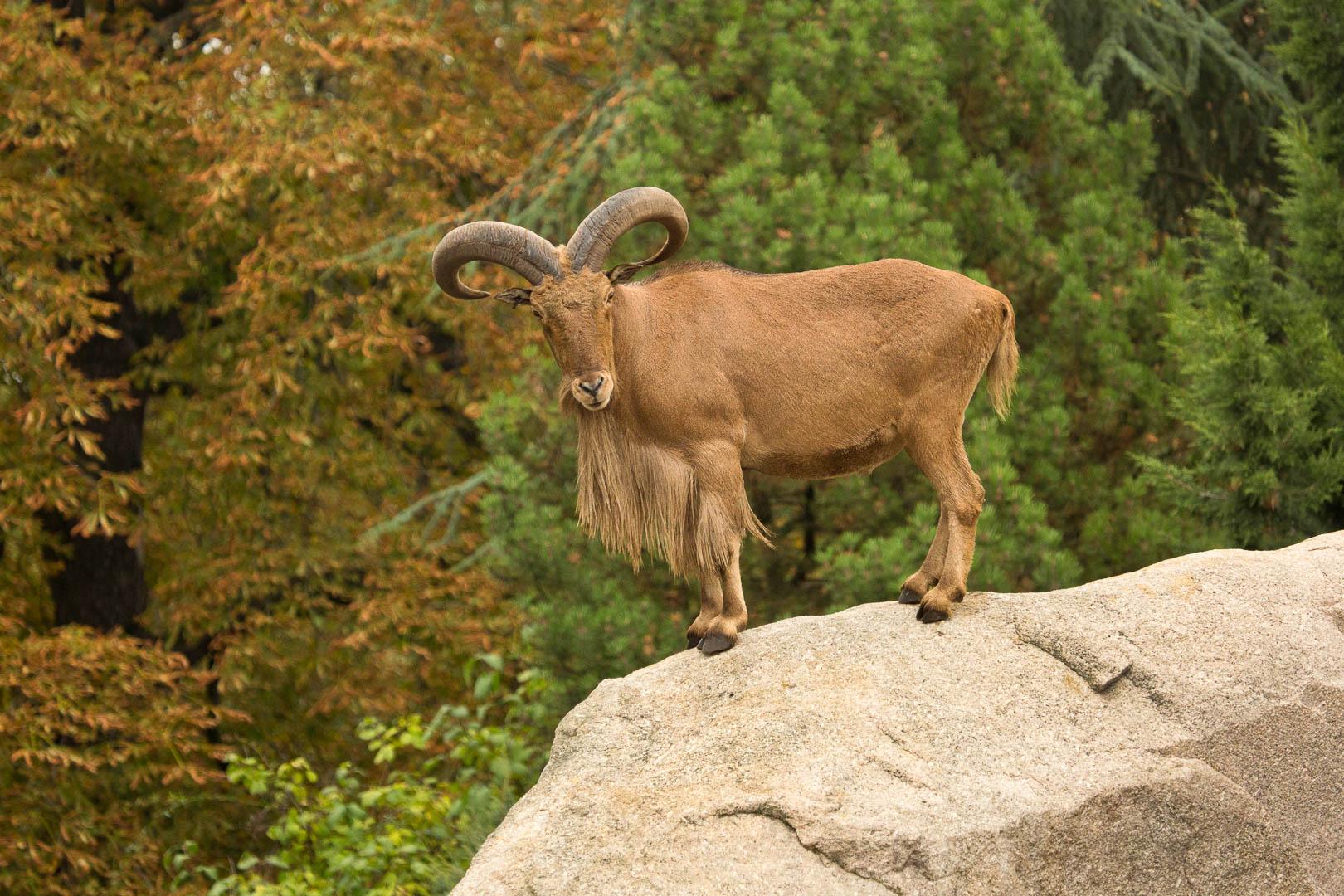
Wildschaf Schafe Maehnenschaf Aoudad Barbary Sheep
Bezoarziege Wildziege Bezoar Ibex Bezoar Goat Wild Goat Capra aegagrus aegagrus
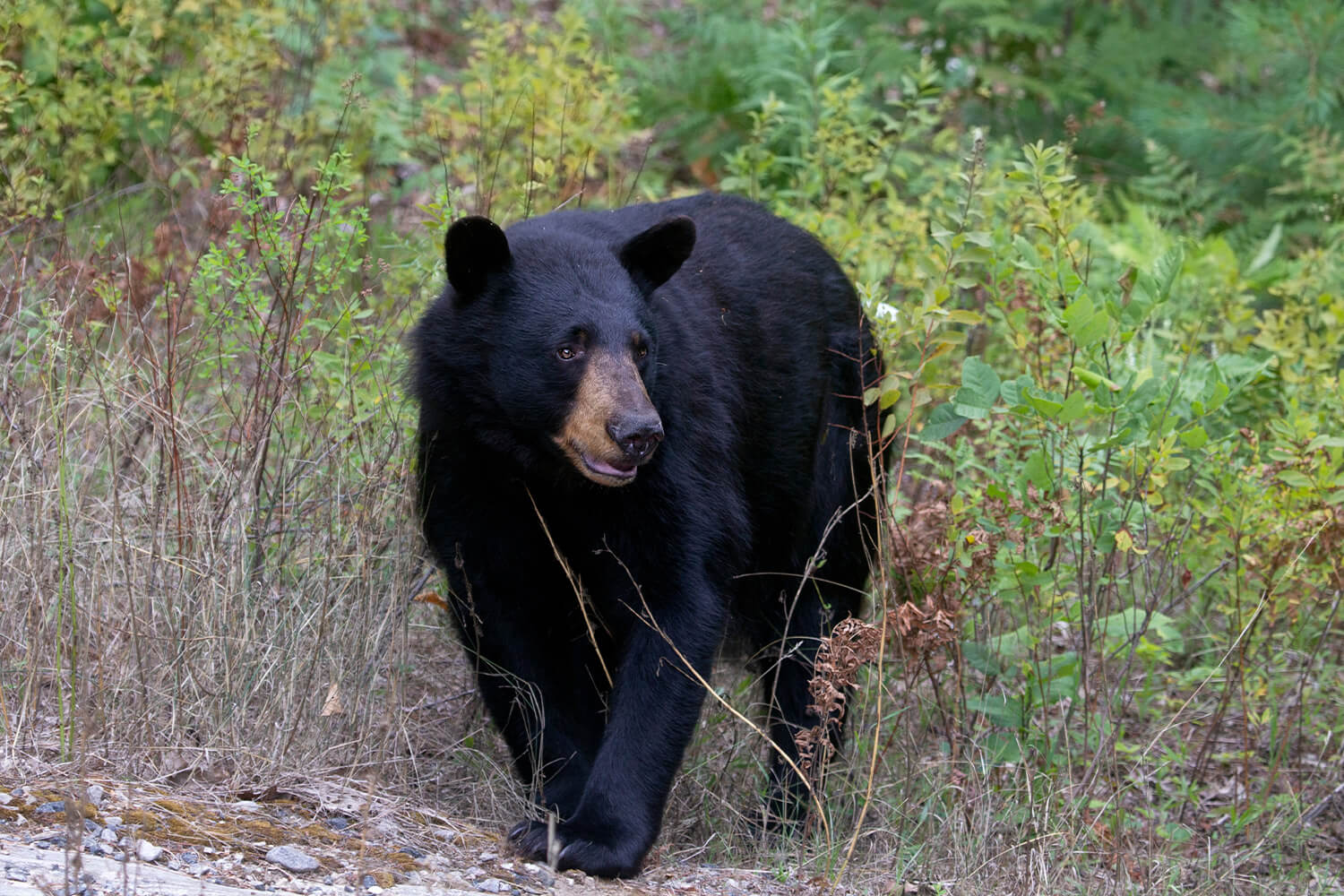
Bären Baeren Schwarzbaer Black Bear Ursus americanus
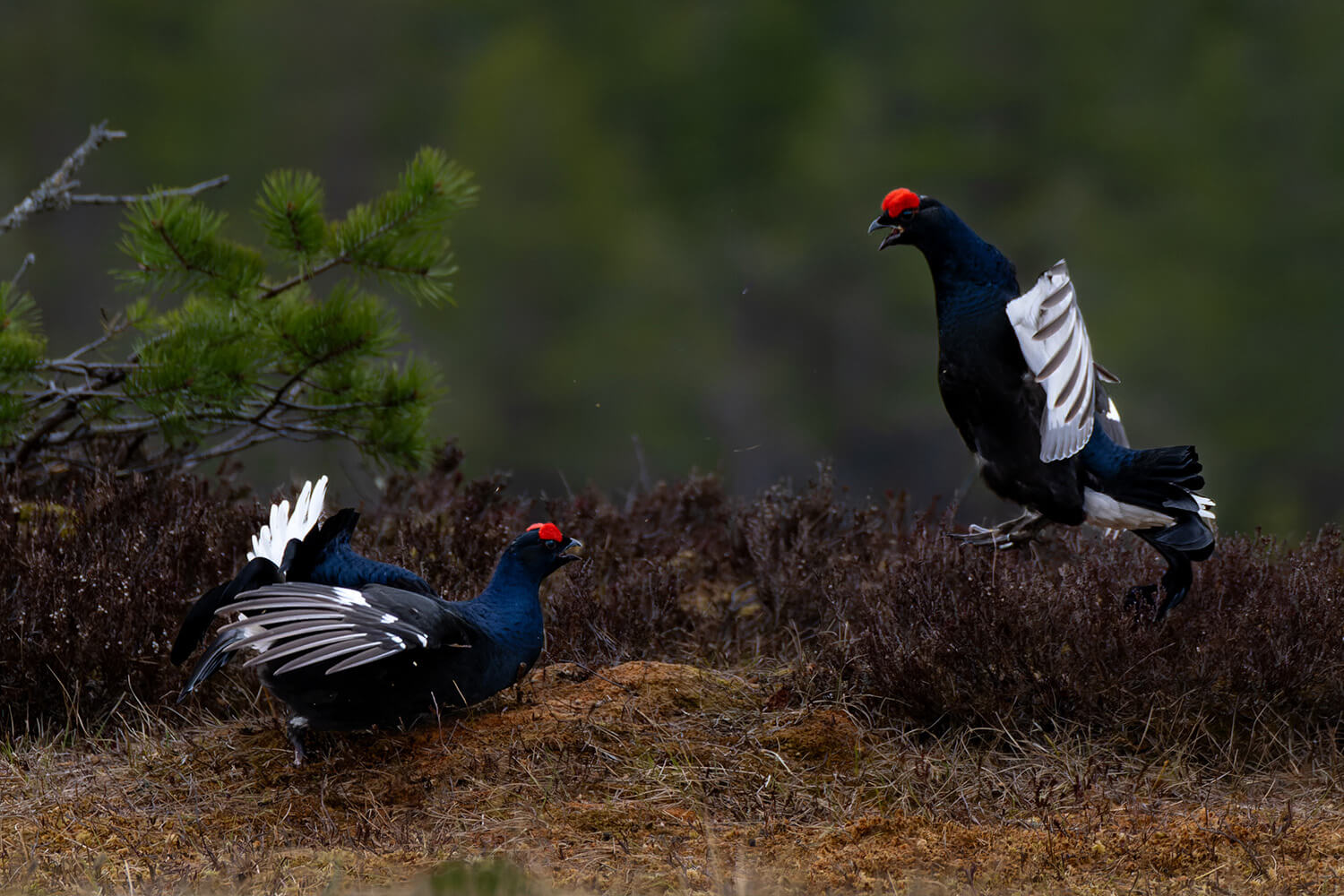
Federwild Flugwild Birkwild Birkhuhn Black Grouse Blackcock Lyrurus tetrix
Wildschaf Schafe Bharal Blue Sheep Pseudois nayaur
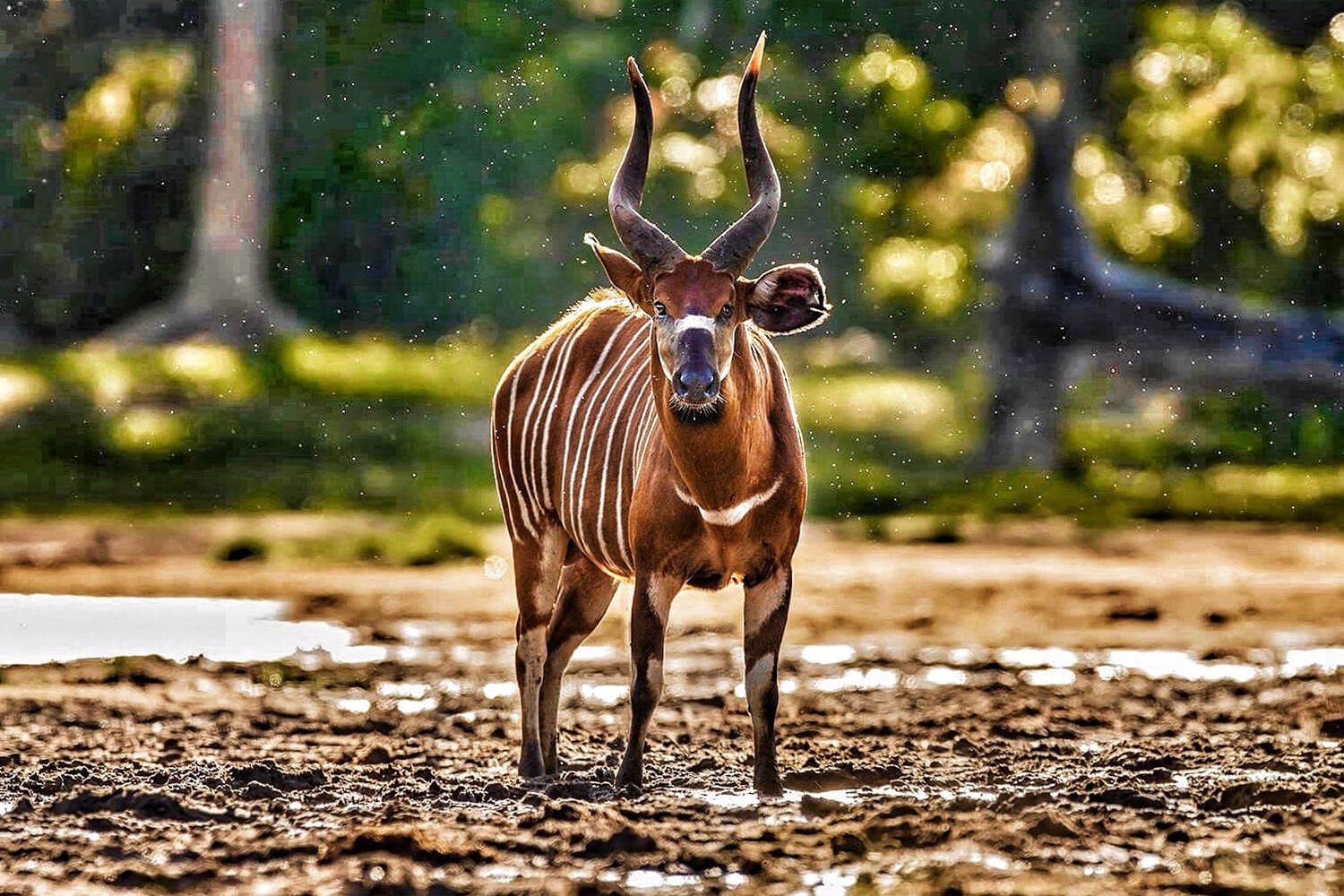
Antilopen Tragelaphus eurycerus
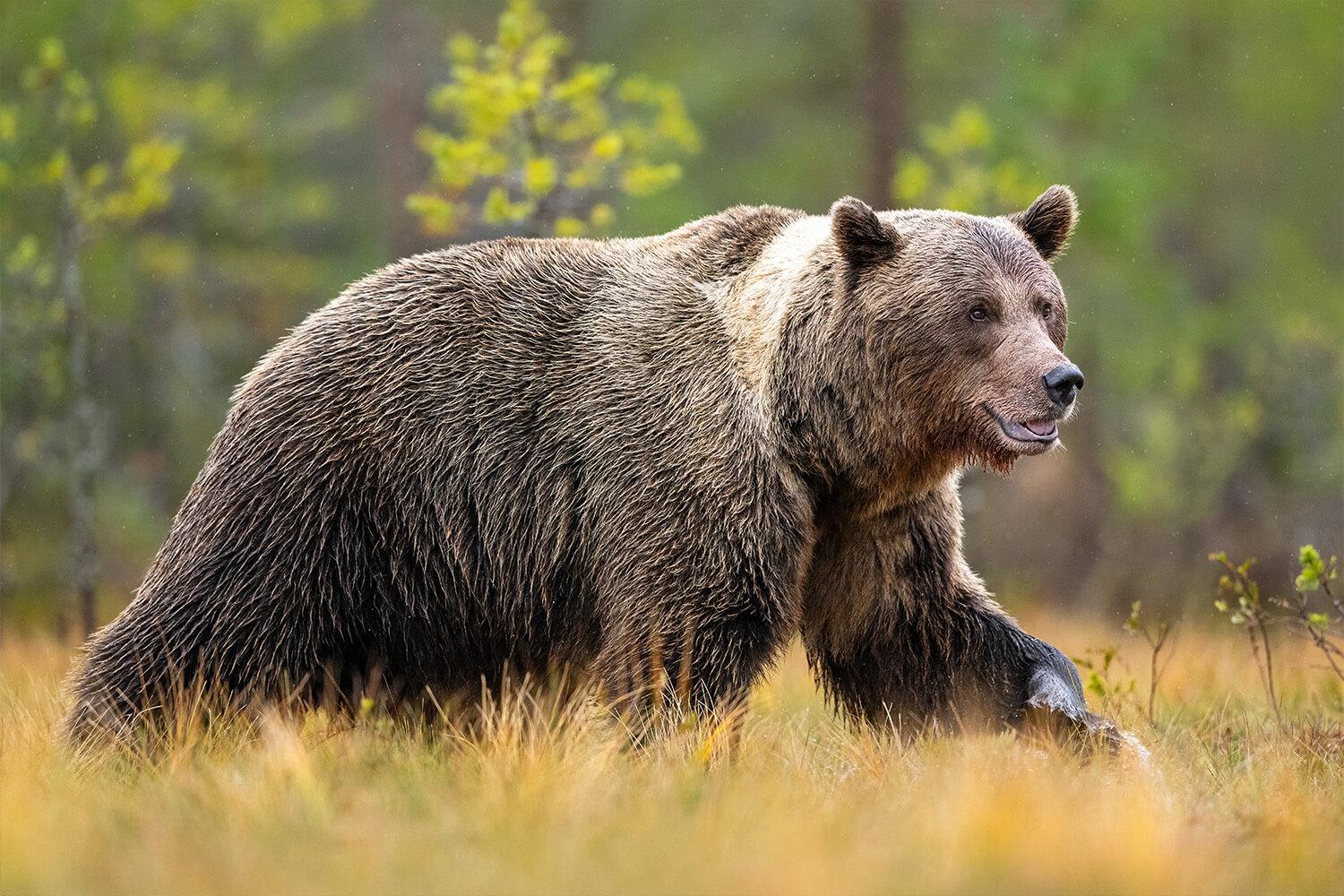
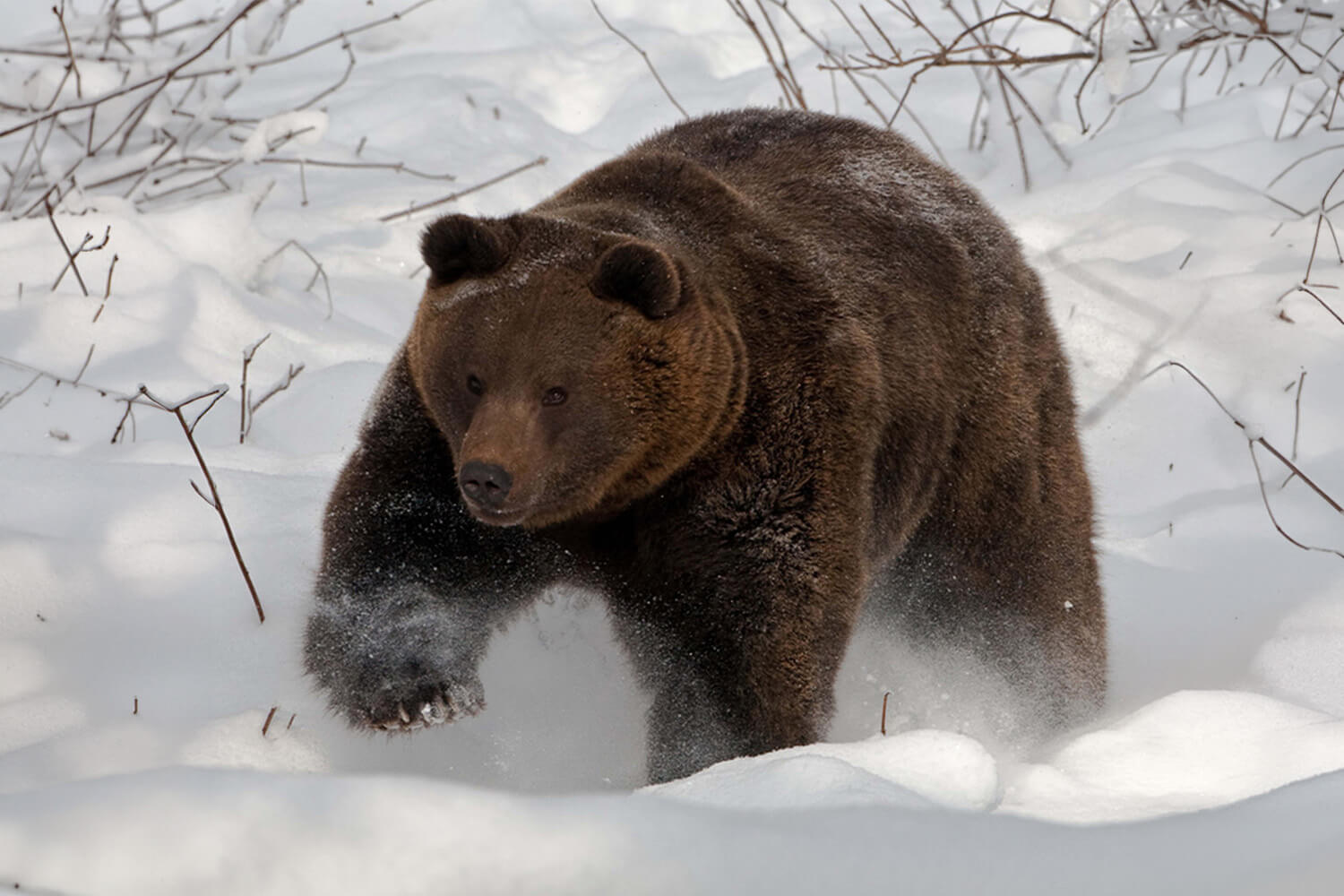
The brown bear (Ursus arctos) is one of the largest land predators on earth and commands respect. How big it grows depends on its food: the heaviest bears live where salmon run up the rivers. The trophy is the skull, scored in CIC points, and the hide. The nose is outstanding, the hearing keen, the eyesight comparatively weak. Bears are solitary and spend the winter in the den; afterwards they carry their finest coat and longest claws, in autumn their peak weight. They are at home in mountain forest and taiga as well as along coasts and rivers.
Braunbär Braunbaer Bär Baer Bären Baeren Bärenjagd Grizzly Küstenbraunbär Kodiak Brown Bear Ursus arctos
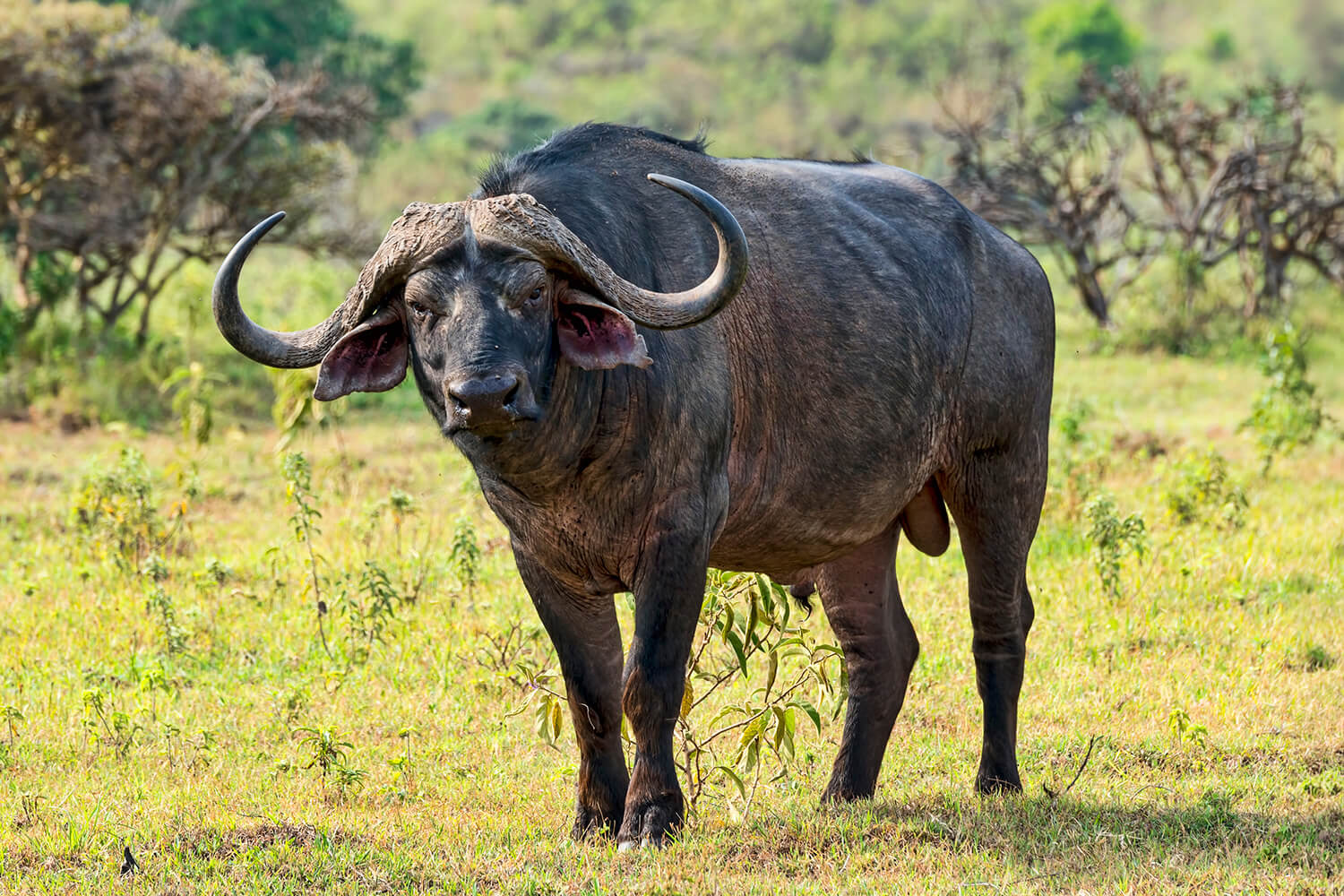
The African buffalo (Syncerus caffer) lives in the savannas and bush country south of the Sahara. The largest and best-known form is the Cape buffalo of southern and eastern Africa, where old bulls weigh up to 900 kilograms. The savannas of northern Cameroon hold the smaller, often reddish-brown savanna buffalo; the rainforests of Central Africa, the red or forest buffalo. In a mature bull the horn bases grow together into a heavy boss across the forehead, and trophies are measured by their spread in inches. Buffalo live in herds, while old bulls often keep to themselves or move in small groups – the "dagga boys" of southern Africa. They drink at night and spend the day in thick cover. Pressed or wounded, a buffalo fights back; it is counted among Africa's most dangerous game and is one of the Big Five.
Cape buffalo African buffalo buffalo hunting buffalo hunt savanna buffalo red buffalo forest buffalo dagga boy Big Five Syncerus caffer caffer Syncerus caffer nanus Syncerus caffer brachyceros Syncerus caffer mathewsi Kaffernbüffel Büffeljagd
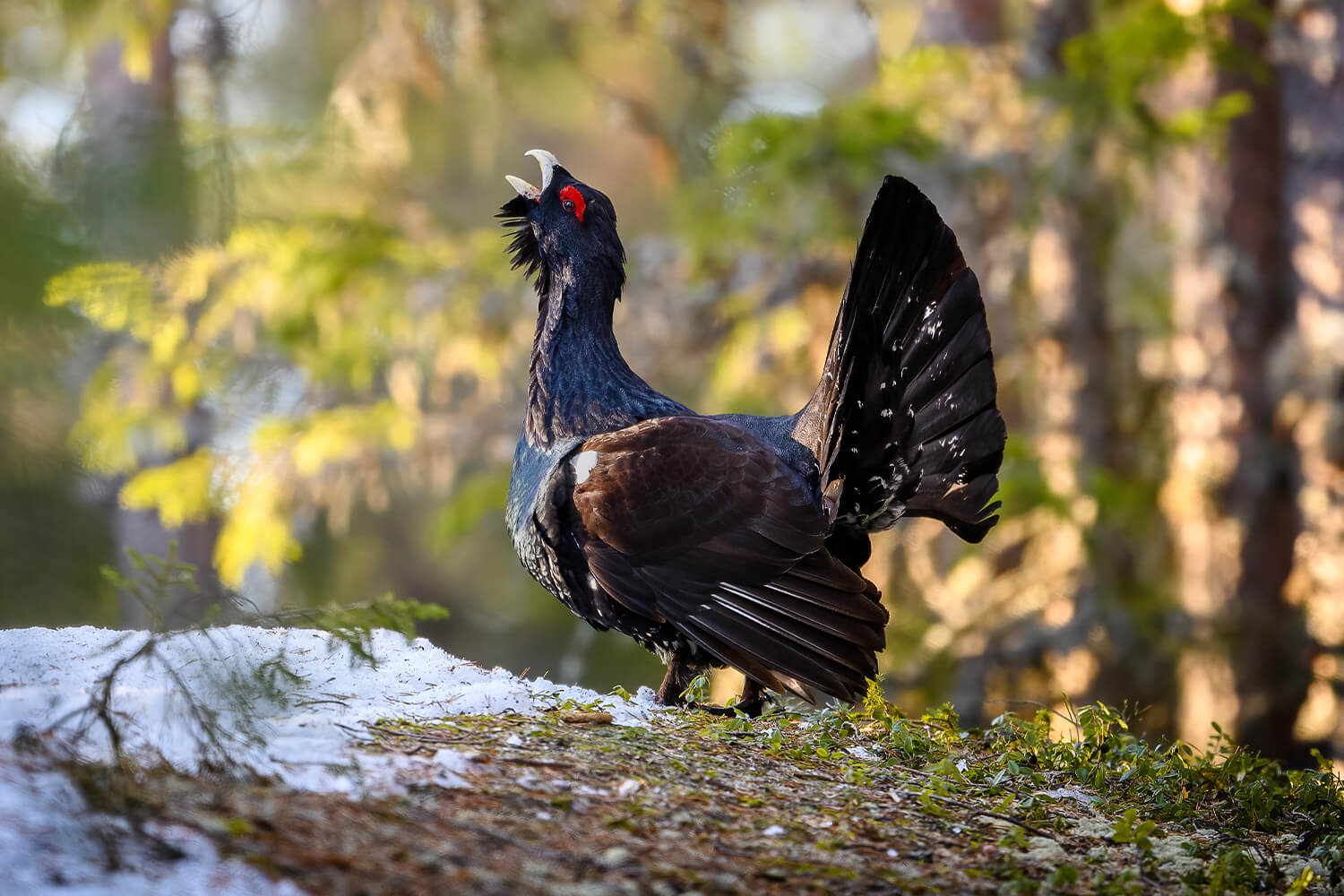
The western capercaillie (Tetrao urogallus) is the largest grouse in Europe and lives in extensive, quiet coniferous forests and bogs. Old cocks weigh four to five kilograms; the plumage is deep black, the breast shimmers blue-green and white feathers flash in the fanned tail. The hens are mottled brown and much smaller. In spring the cocks display from the lek tree with a song of four phrases. In the eastern hunting areas the stocks are still excellent.
Auerwild Auerhuhn Capercaillie Western Capercaillie Wood Grouse Tetrao urogallus Auerhahnjagd Balzjagd Auerhahn anspringen Schleifen Capercaillie Hunt Raufußhuhn
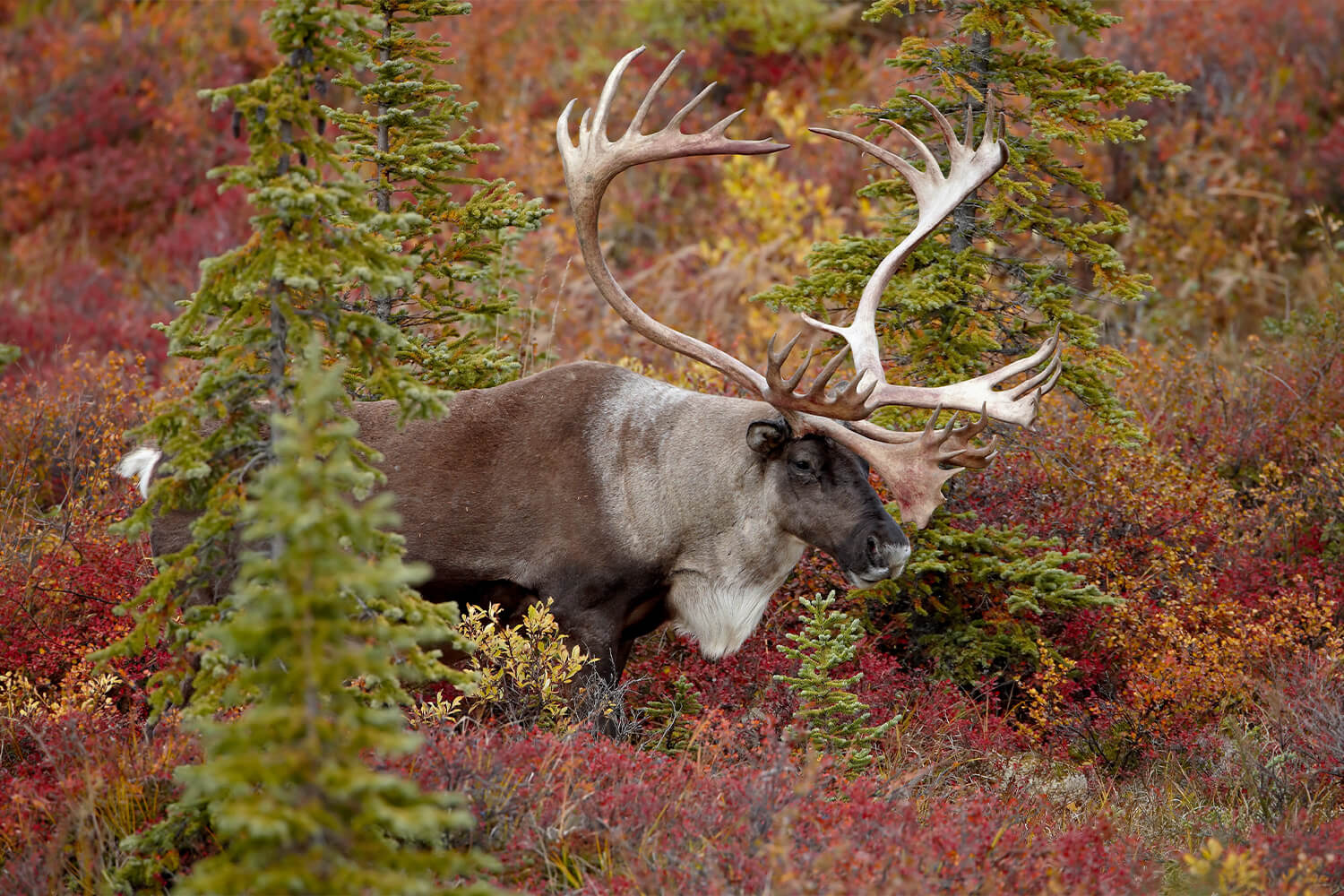
Both sexes of the caribou (Rangifer tarandus), called wild reindeer in Scandinavia, carry antlers. The bulls grow long beams with broad palms; mountain caribou in northern British Columbia have heavy beams with massive bases. In Norway the animals reach about two metres in length; cows weigh up to 90 kilograms, bulls around 150. Caribou travel far and are not always where you look for them. In summer they stay at higher elevations; from mid-August they move down to lower ground. They have very good eyesight.
Rangifer tarandus caribou hunting caribou hunt reindeer wild reindeer mountain caribou barren-ground caribou Karibu Karibujagd Rentier
Rehwild Chinese Water Deer Hydropotes inermis
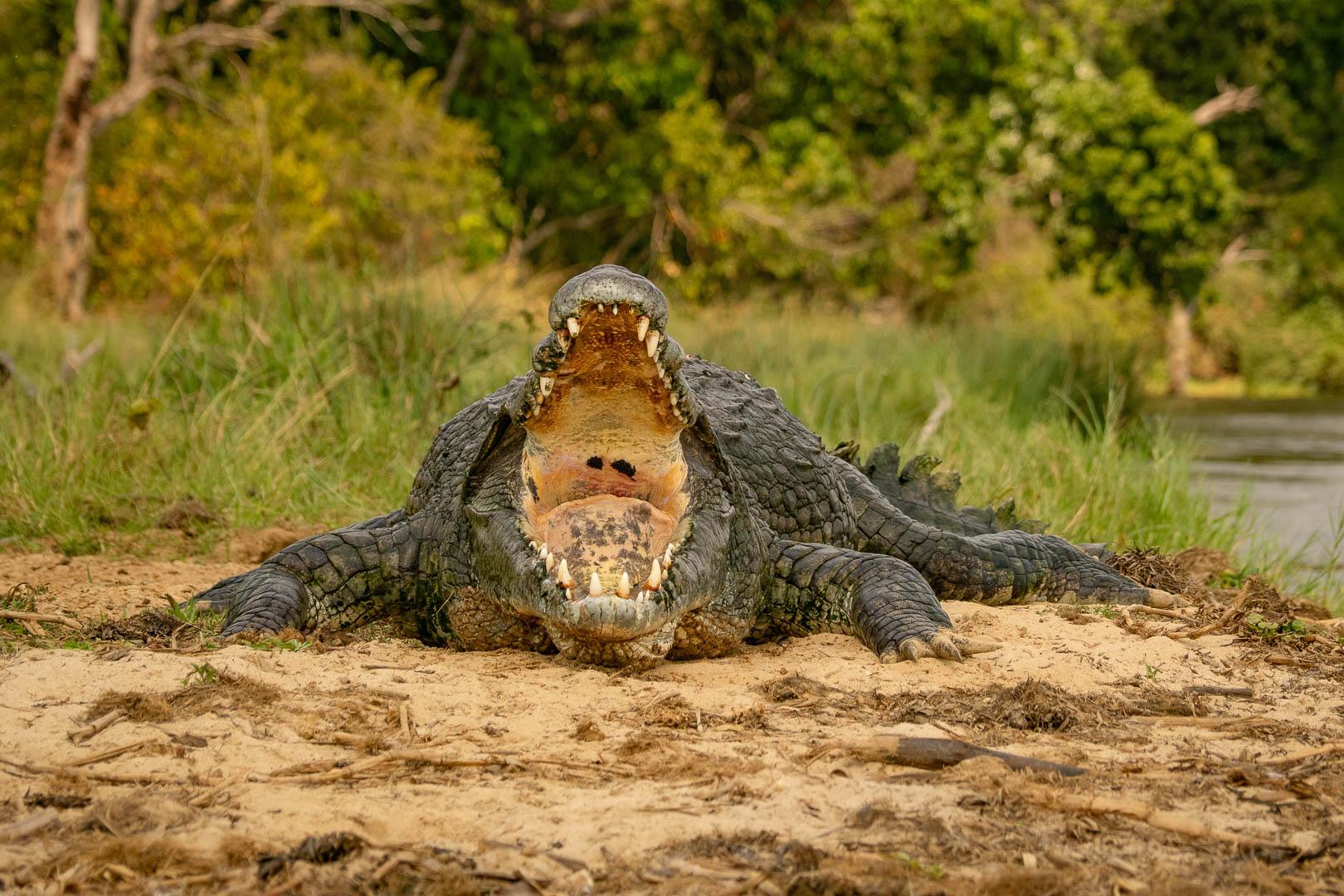
The Nile crocodile (Crocodylus niloticus) is Africa's largest crocodile and lives in rivers, lakes and swamps south of the Sahara. Old males grow to four metres and more, which is why price lists grade trophies by length, in Mozambique at 4.8 metres. By day the animals lie in the water or bask motionless for hours on sandbanks. They are wary and slip under at the slightest disturbance. The trophy is the skull and the hide.
Nilkrokodil Nile Crocodile Crocodylus niloticus Krokodiljagd Crocodile Hunt Crocodile Hunting Croc Kroko Luderjagd Bait
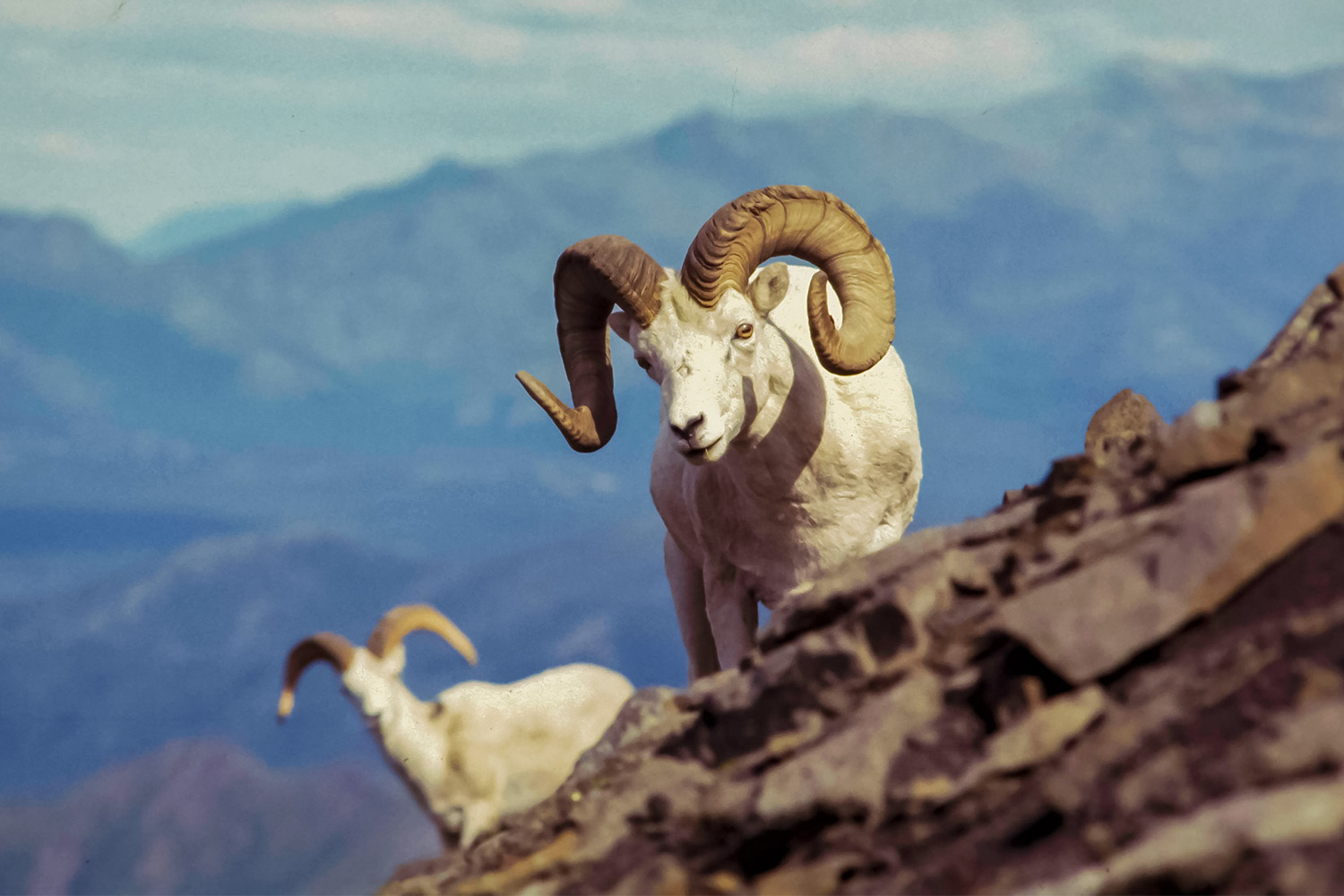
Wildschaf Schafe Dallschaf Dall Sheep Dalls Sheep Ovis dalli
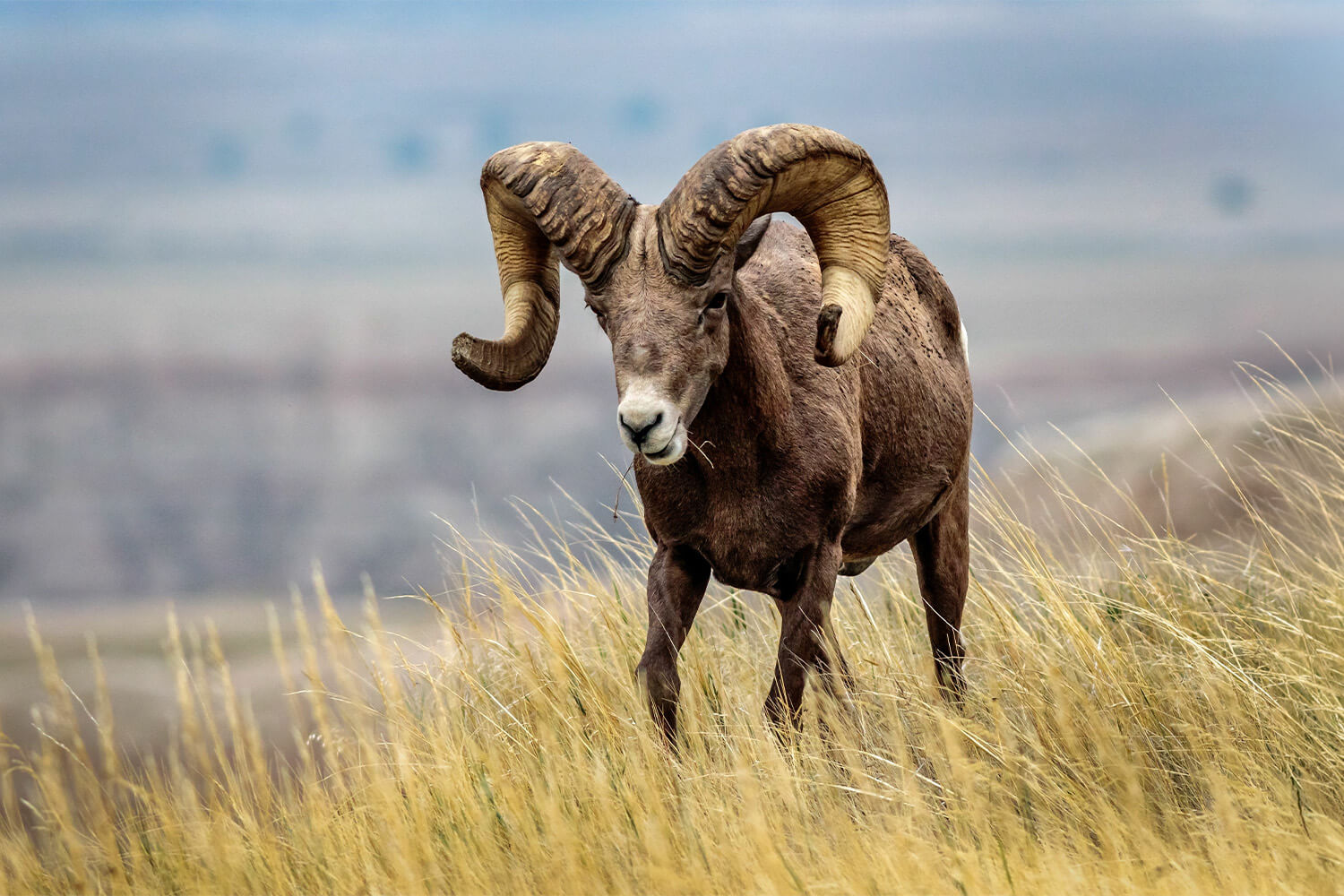
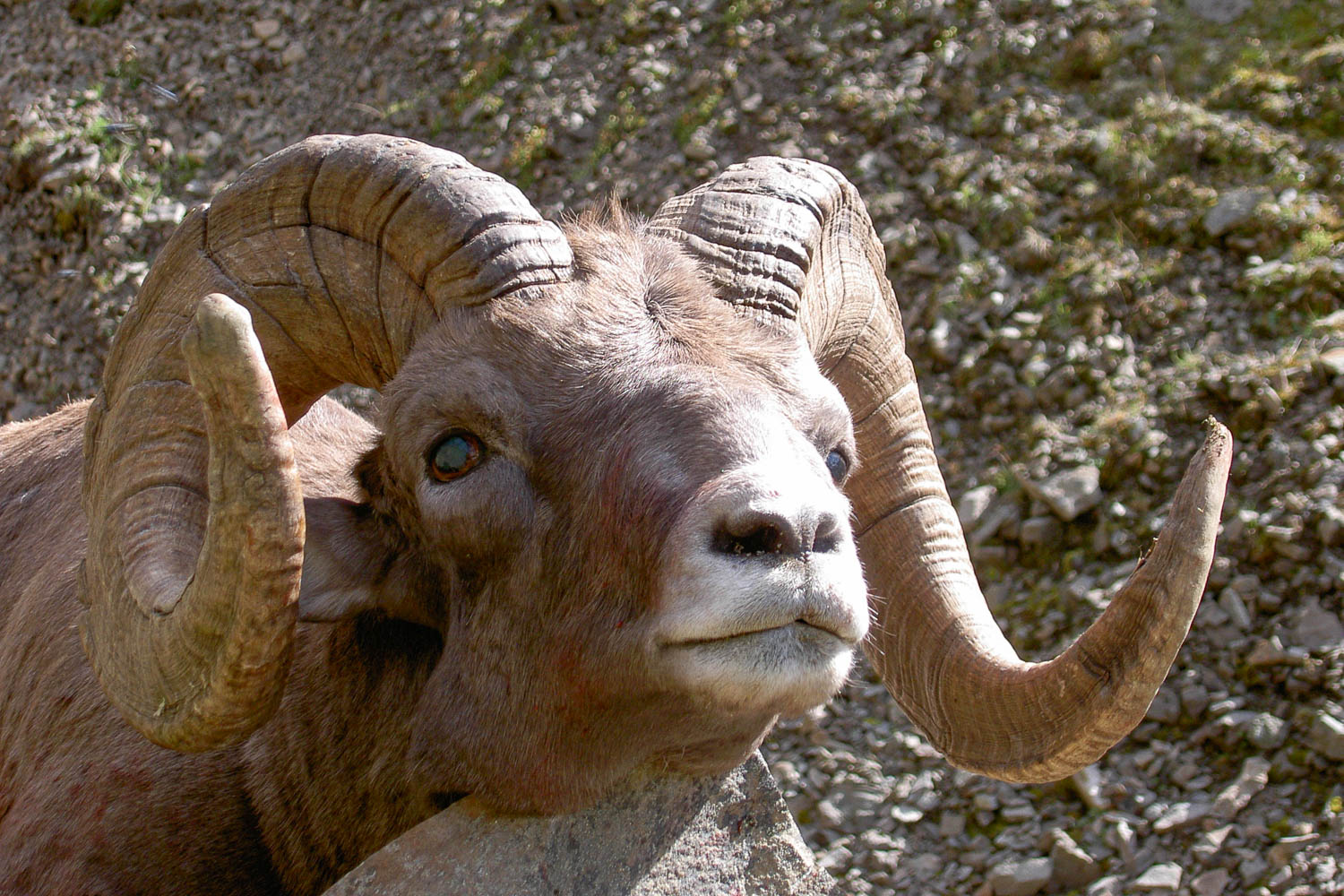
Desert Bighorn Wüsten-Dickhornschaf Wuesten-Dickhornschaf Dickhornschaf Wildschaf Schafe Bighorn Sheep Ovis canadensis
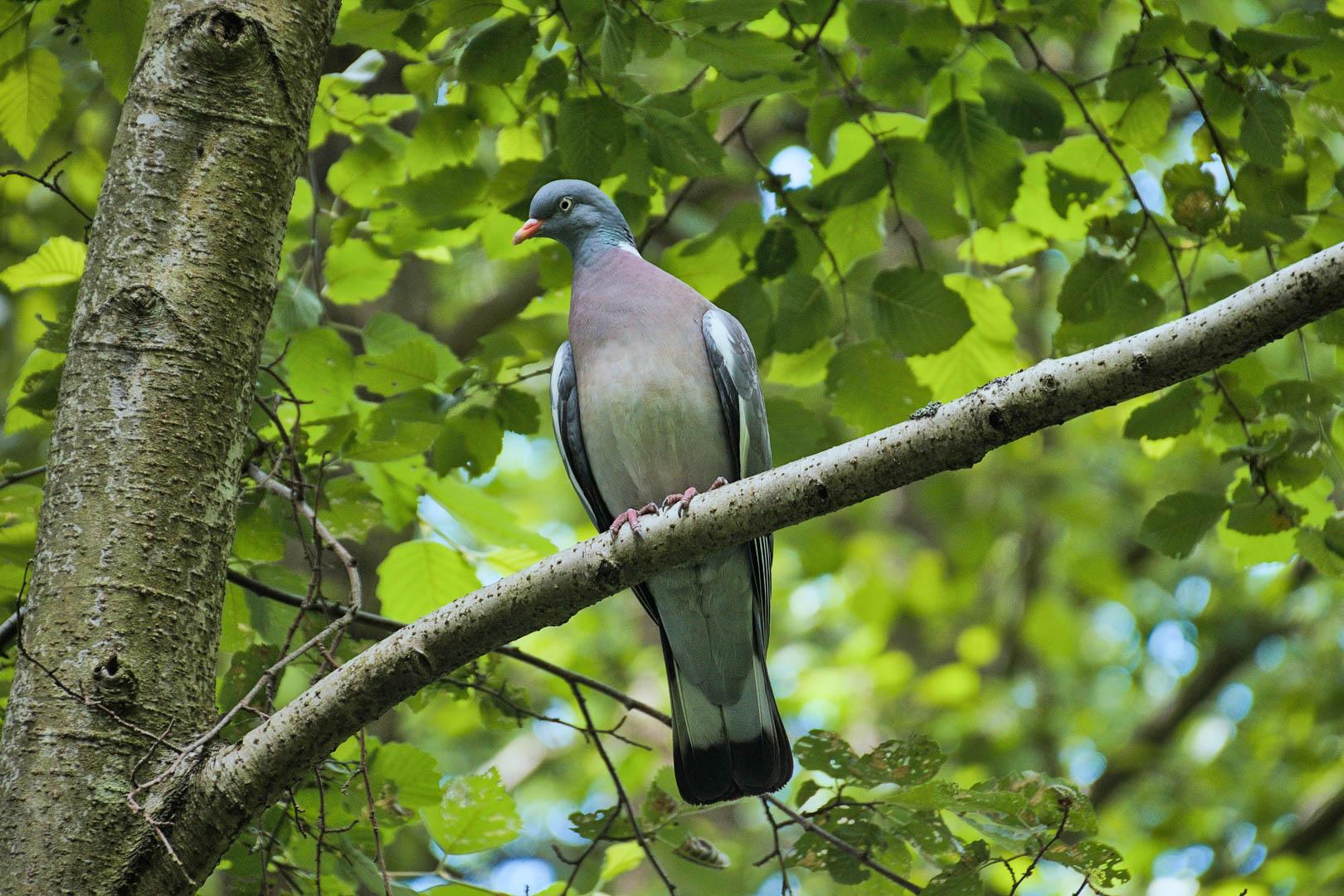
Federwild Flugwild Tauben Ringeltaube Wood Pigeon Dove
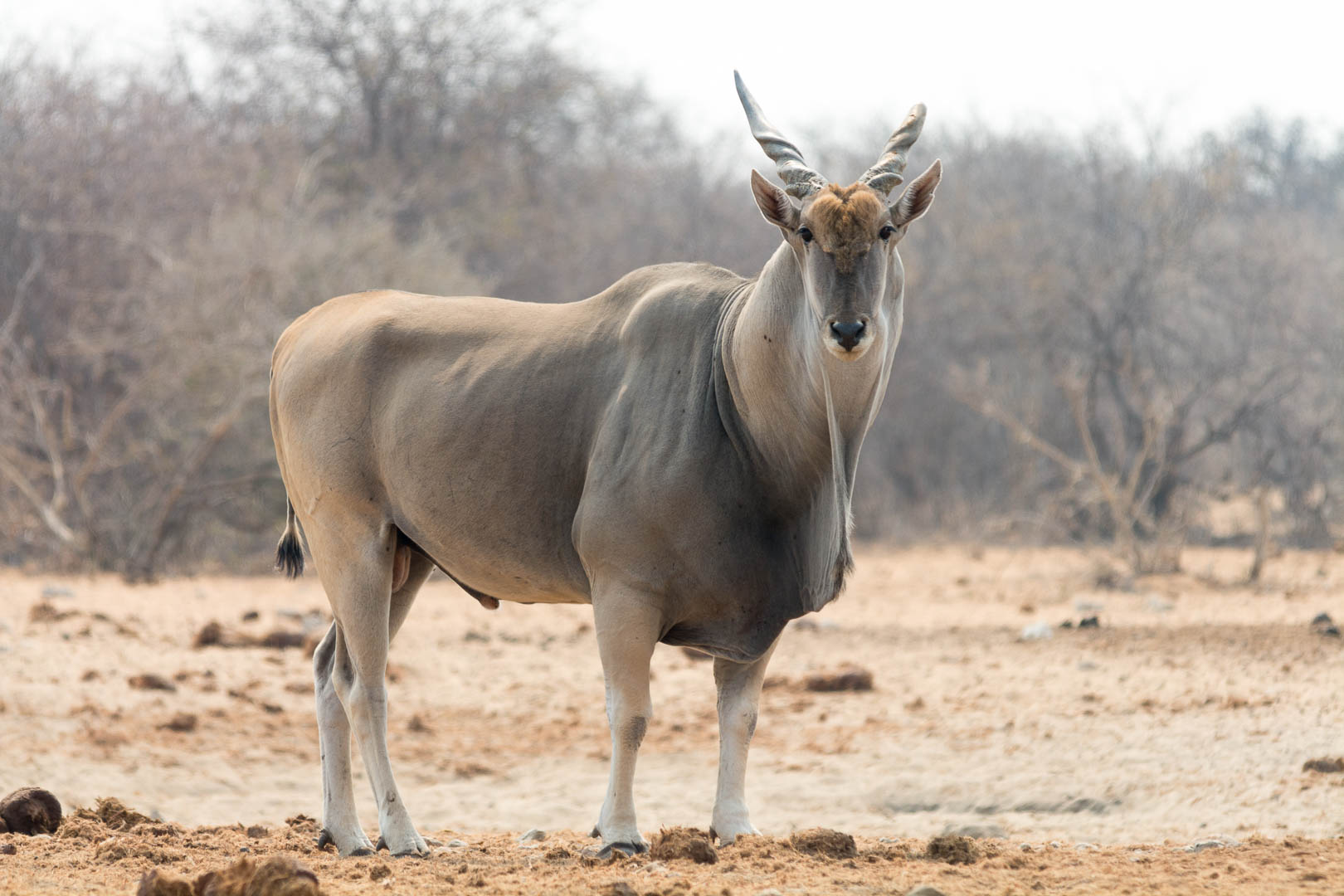
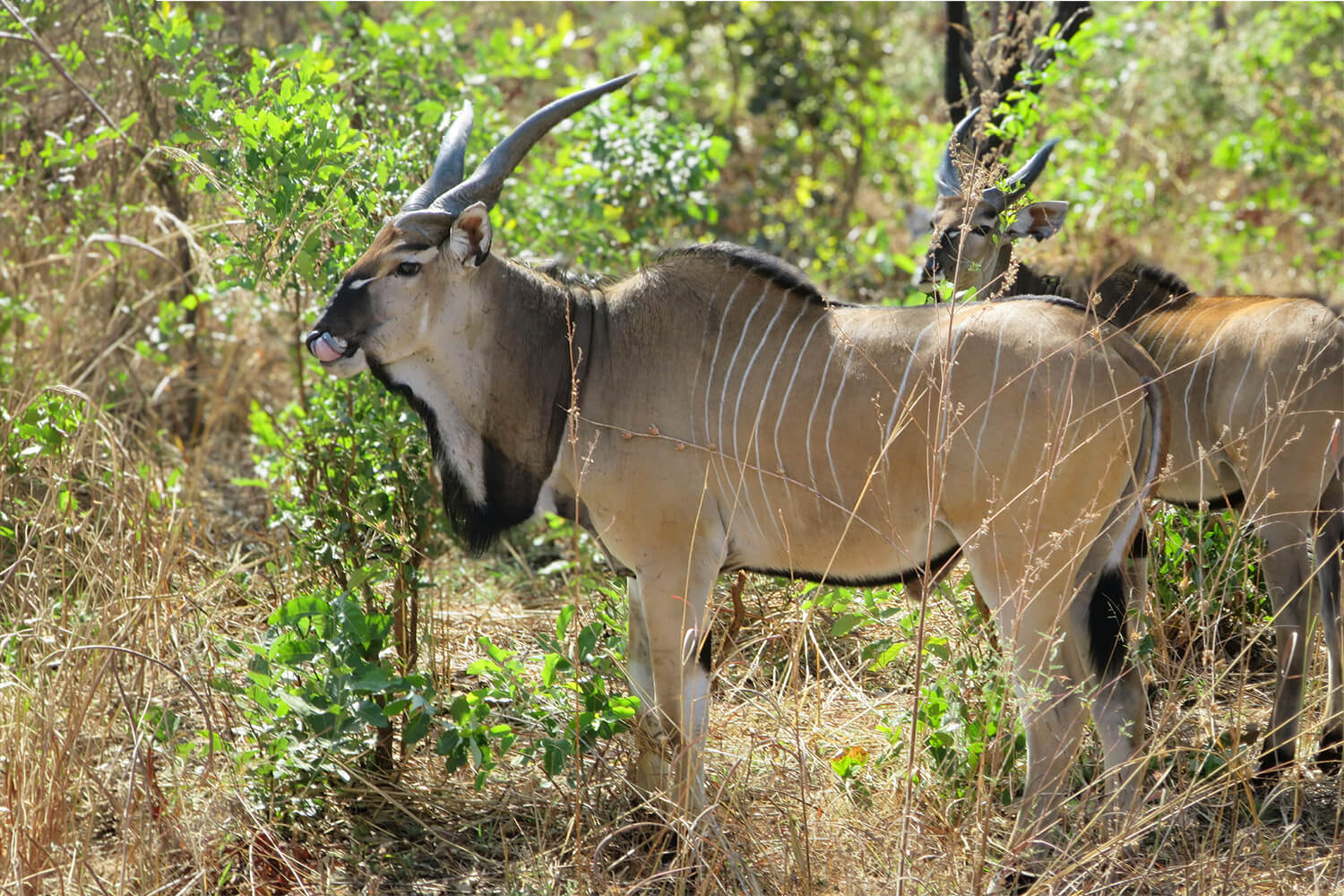
The eland (Taurotragus oryx) is the largest antelope in the world: old bulls reach a weight of 900 kilograms and carry a heavy dewlap as well as short, tightly spiralled horns – both sexes are horned. With age, the hair on the neck thins out and the bull turns blue-grey. Despite his bulk, he is exceptionally shy and covers great distances. When moving, the tendons produce a clearly audible clicking – often the first thing a hunter notices of a herd.
Eland Elenantilope Elenantilopen Antilopen Common Eland Cape Eland Taurotragus oryx
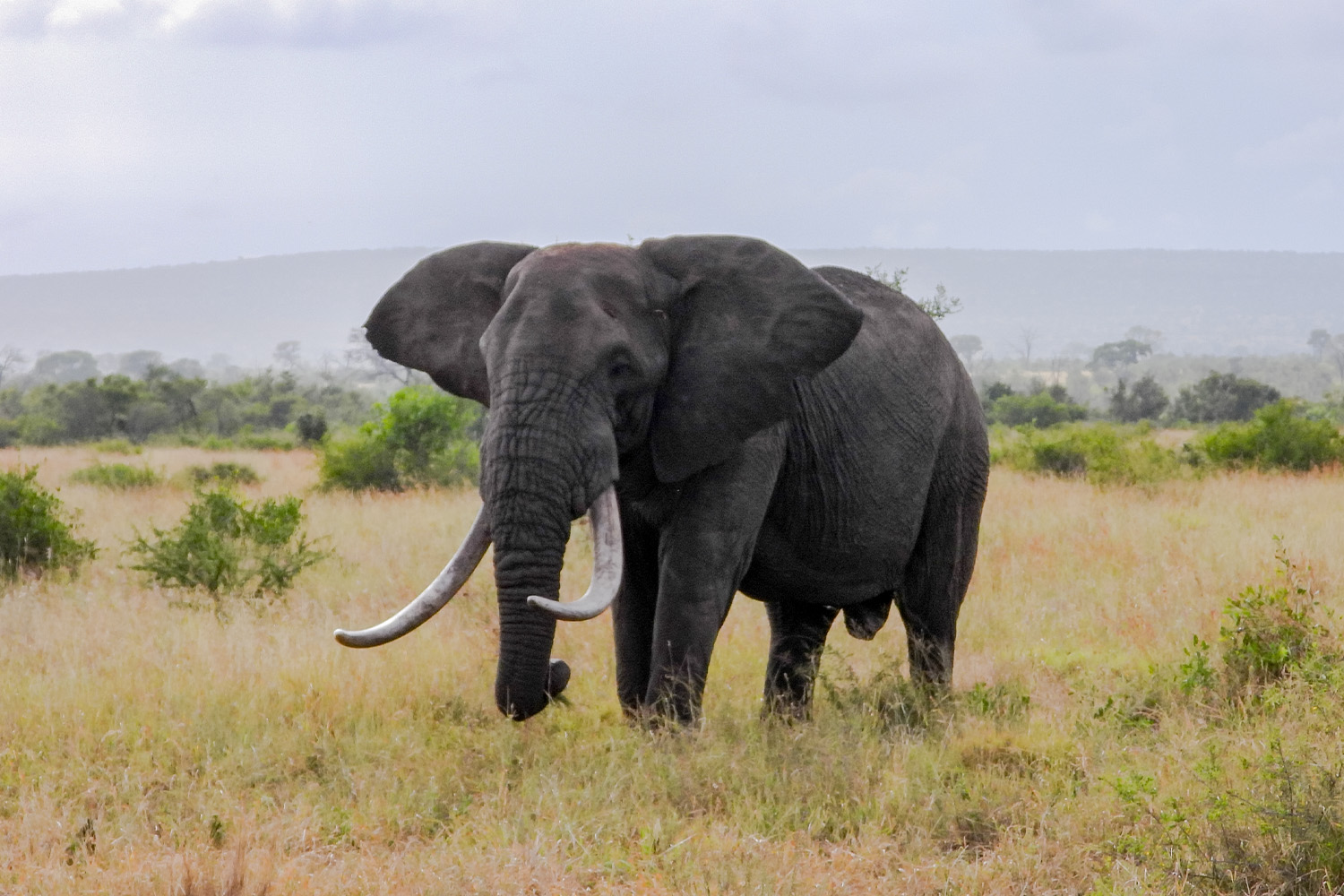
Elephant Loxodonta africana
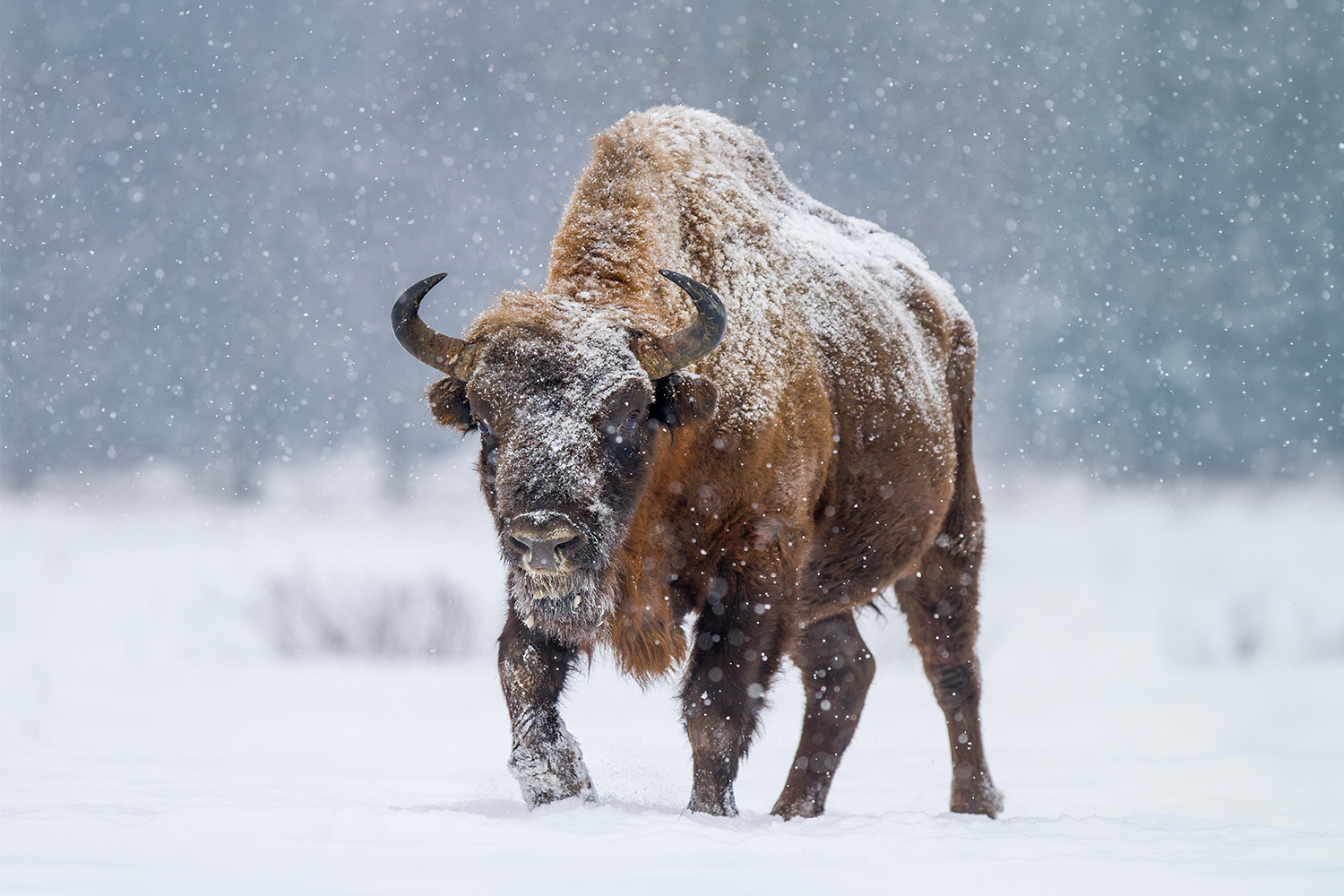
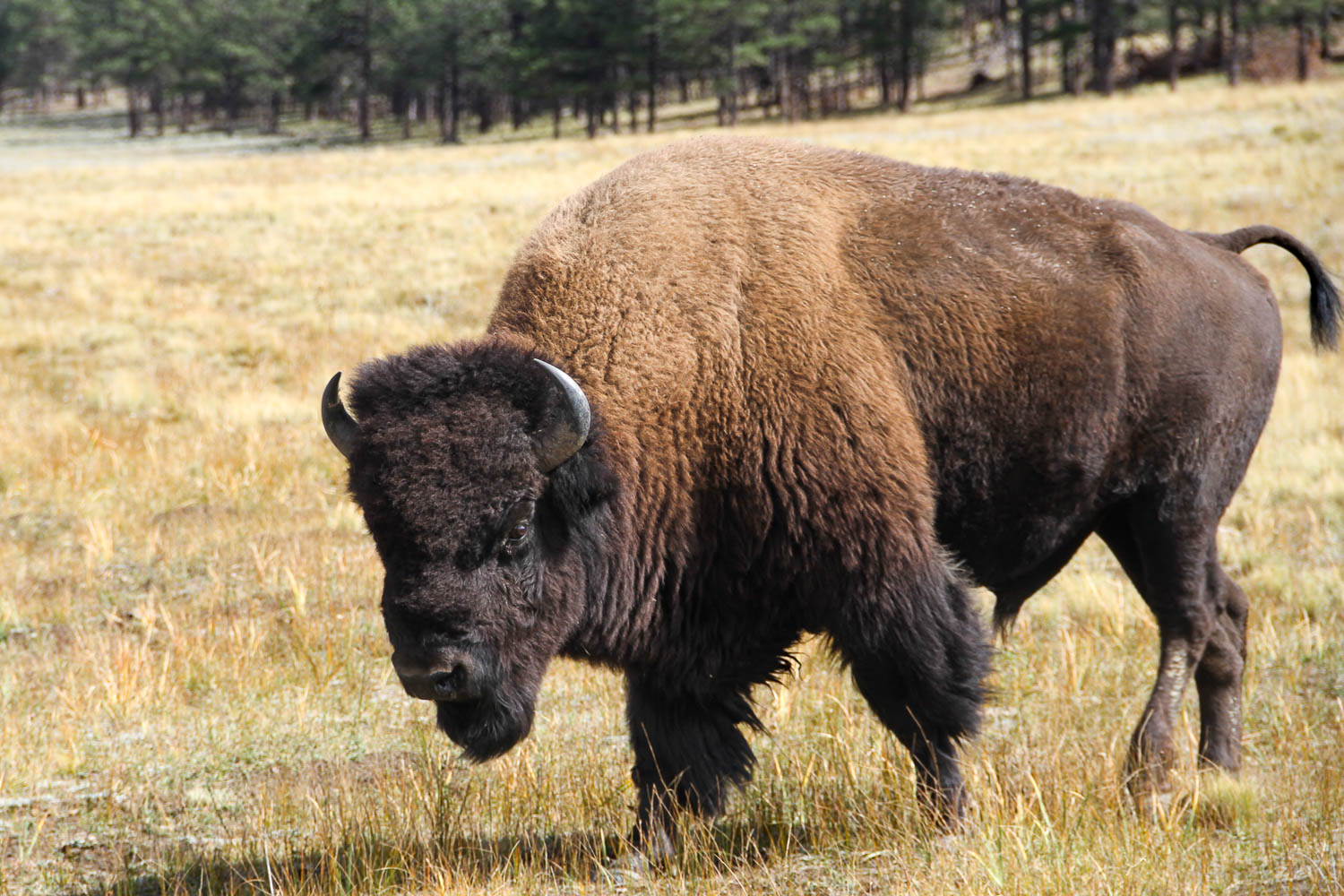
The European bison or wisent (Bison bonasus) is the largest land mammal in Europe. A mature bull stands up to 2.10 metres at the shoulder, measures almost three metres from head to tail base and can weigh up to a tonne; the horns grow to about 50 centimetres with a base of around 35 centimetres. Few game species have come closer to extinction: the last free-ranging wisent was poached in Poland on 9 February 1921. In 1923 an international society to save the species was founded in Frankfurt am Main, starting with little more than a dozen animals fit for breeding. Today there are again several thousand wisent, above all in Poland and Belarus, as well as in the Caucasus and Ukraine, with smaller herds in Russia, Bulgaria, Lithuania and Germany. The Białowieża Forest on the border between Belarus and Poland holds one of the largest free-ranging populations, managed by state wildlife staff, biologists and game managers.
Europäischer Bison Europaeischer Bison European Bison Bison bonasus wisent hunting european bison hunting bison hunt wisent bull bison bull wisent cow Bialowieza forest Białowieża Belarus Wisentjagd Weißrussland
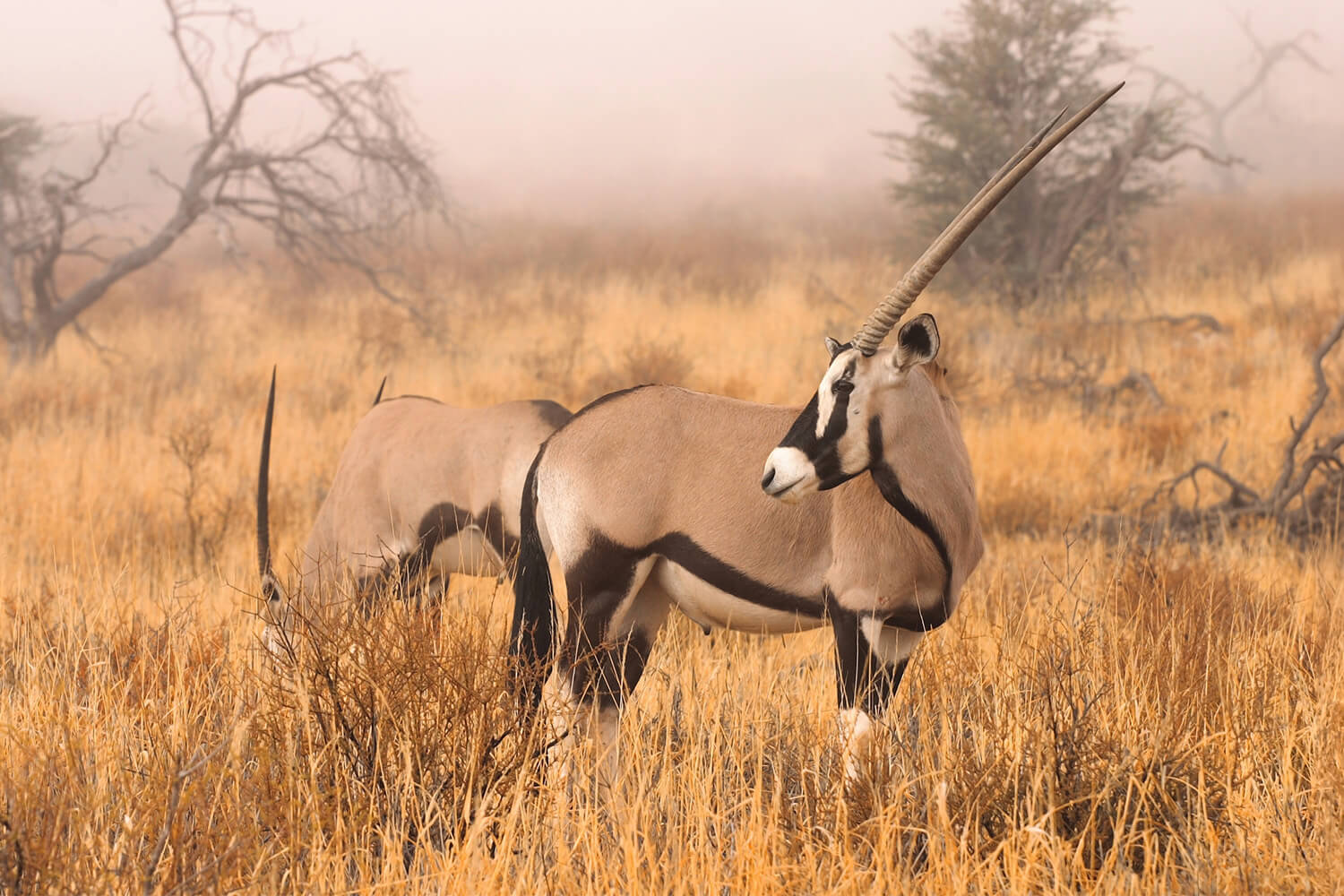
Antilopen Spießbock Spiessbock Gemsbok Gemsbuck
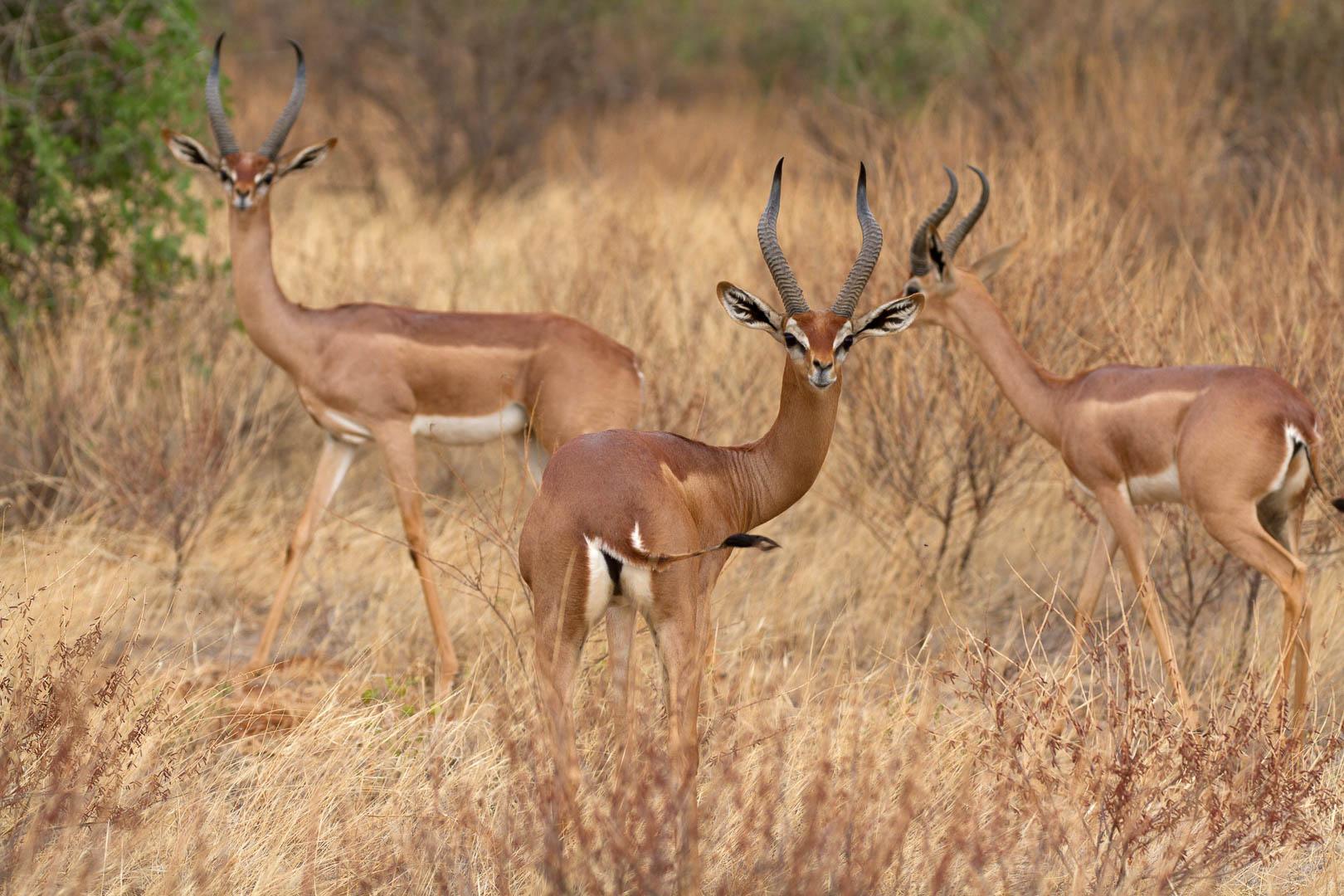
Gerenuk Giraffengazelle Wallers Gazelle Litocranius
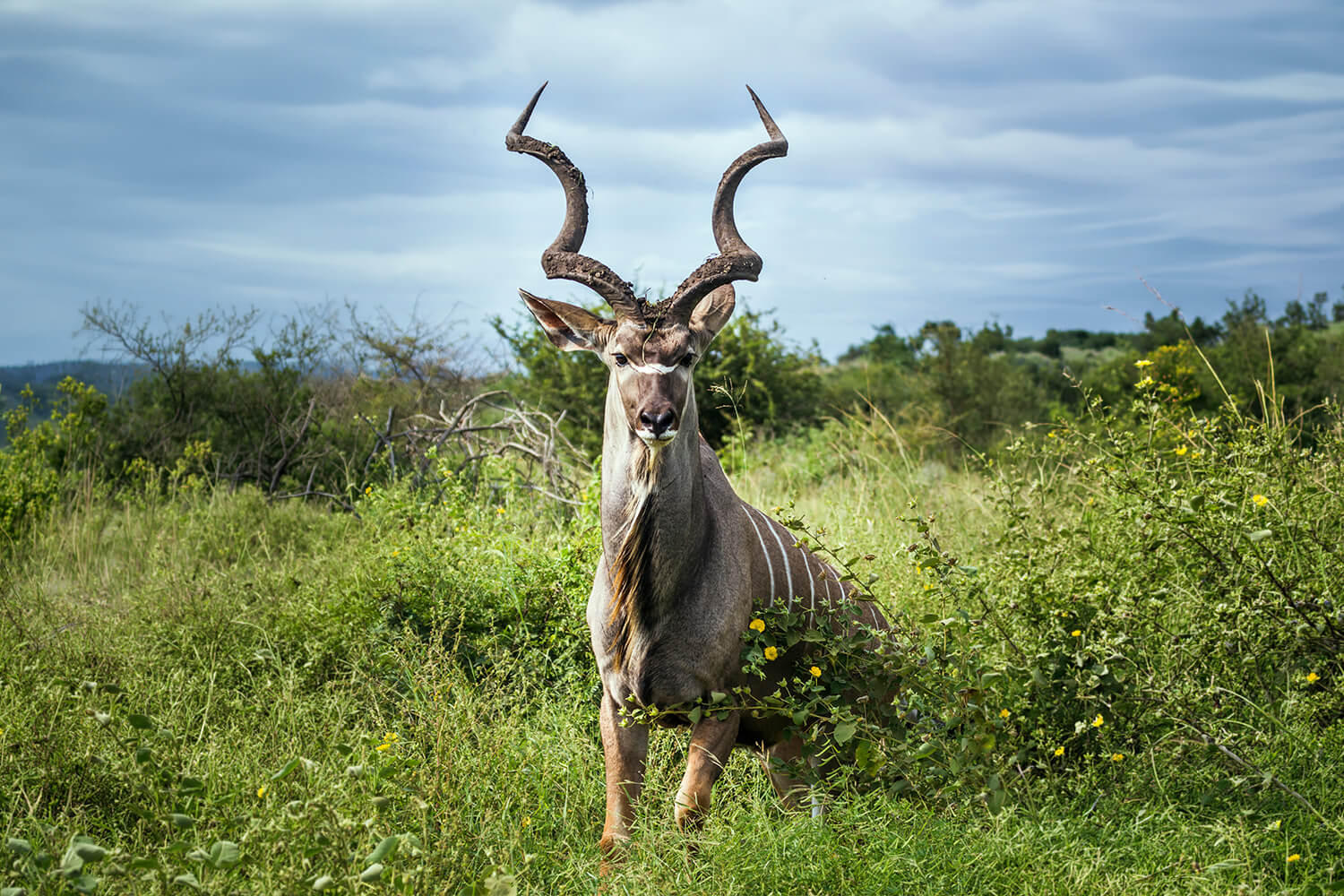
Antilopen Großer Kudu Grosser Kudu Greater Kudu Kudubulle Tragelaphus strepsiceros
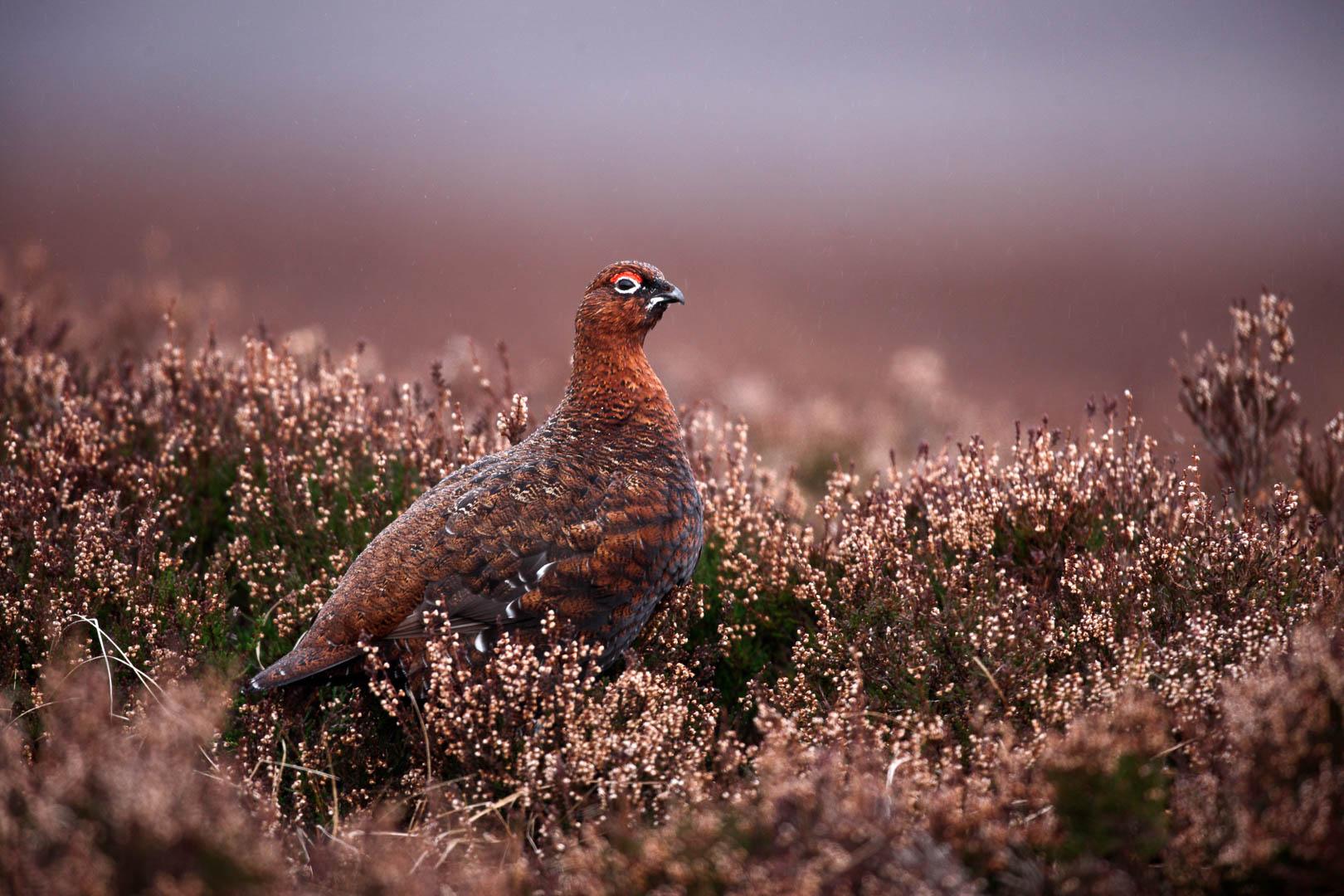
Grouse Moorhuhn Moorhühner Federwild Flugwild Red Grouse Willow Grouse
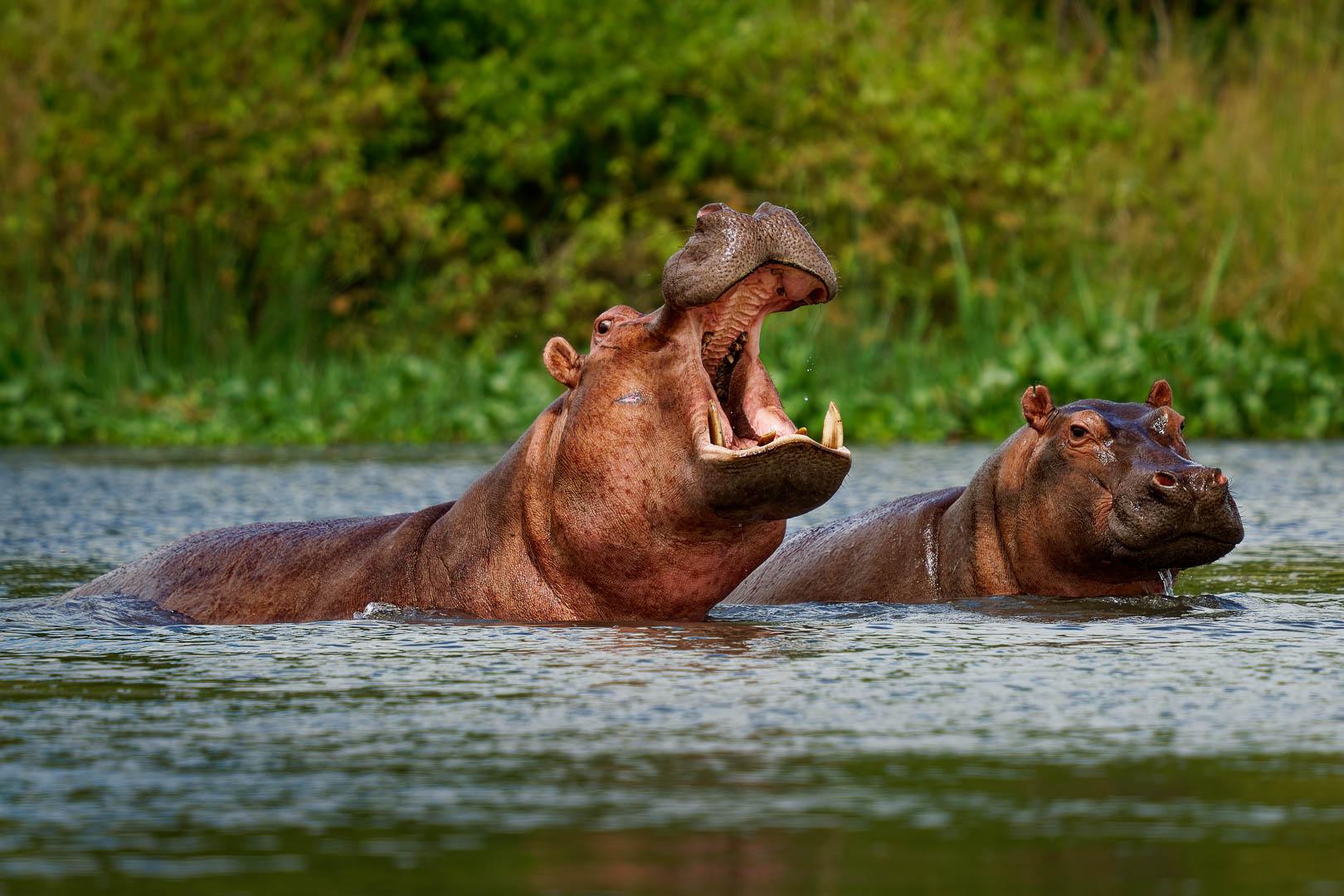
The hippopotamus (Hippopotamus amphibius) is one of the heaviest land animals in Africa; old bulls weigh well over a tonne. By day the animals lie in groups in the water, showing only eyes, ears and nostrils. At night they leave the river and graze on land, often far from the bank. The hippo is considered one of the most dangerous animals in Africa. Its canines keep growing throughout its life and form the trophy.
Flusspferd Hippopotamus amphibius Hippo Hippojagd Nilpferdjagd Hippo Hunt Hippopotamus Hunting
Bären Baeren Braunbaer Kamtschatkabaer Kamchatka Brown Bear Ursus arctos beringianus
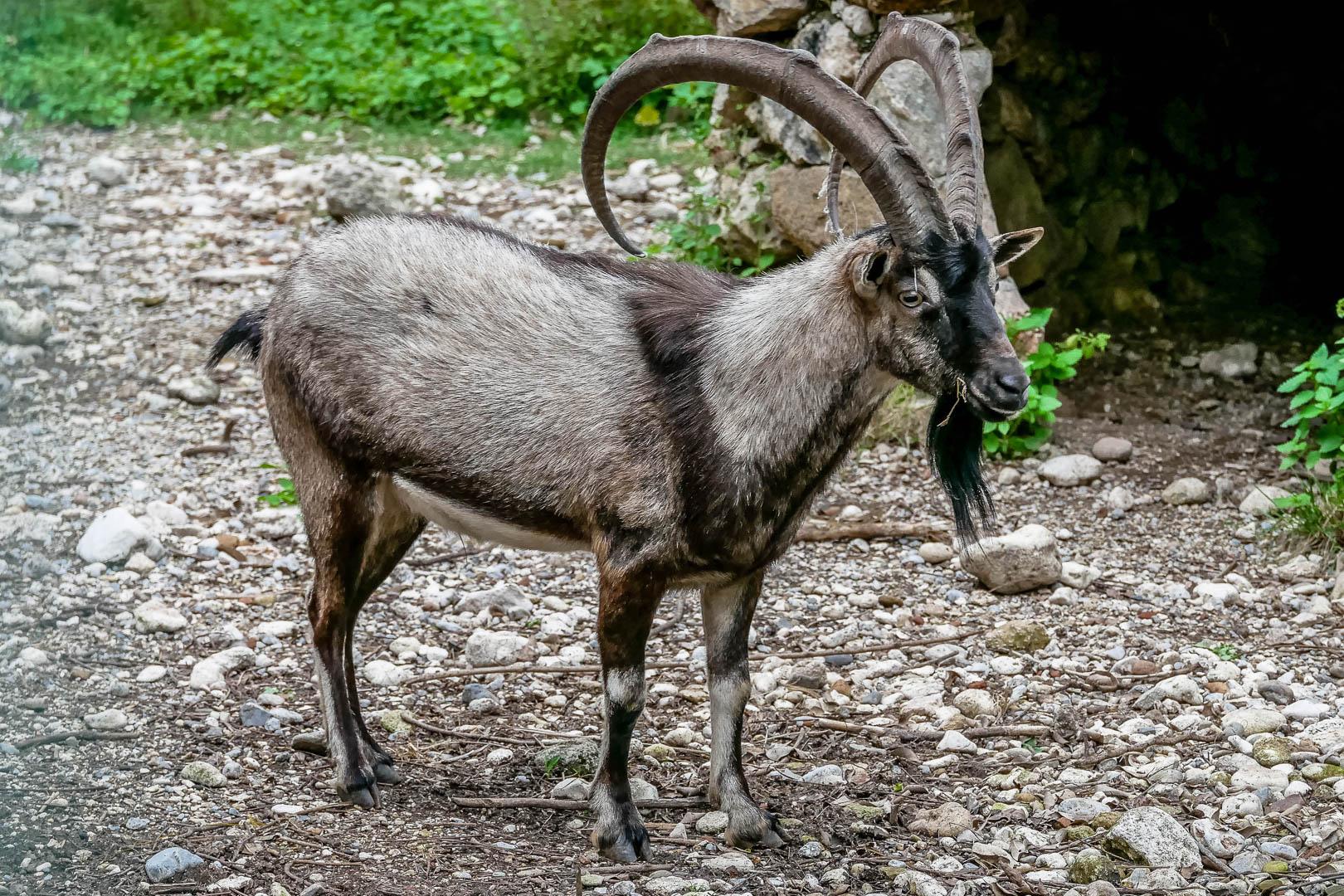
Kri-Kri Kretische Wildziege Wildziege Kreta Cretan Wild Goat Agrimi
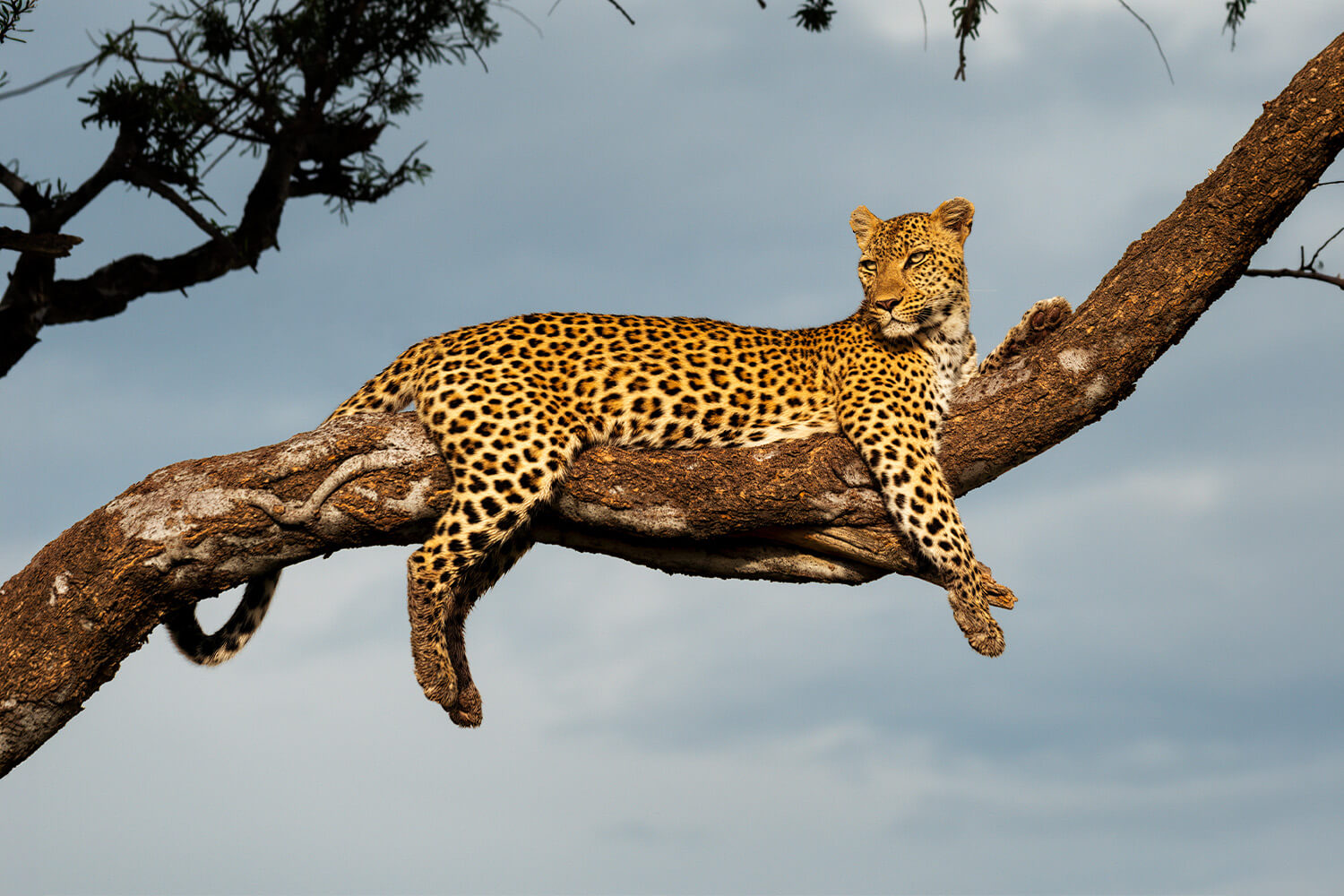
The leopard (Panthera pardus) is the fourth-largest big cat after the tiger, lion and jaguar. Males, or toms, weigh 45 to 90 kilograms and stand 70 to 80 centimetres at the shoulder; females weigh 40 to 60 kilograms. Leopards have excellent hearing, eyesight and sense of smell, and they live alone: depending on how much prey there is, a tom holds a territory of around 6,000 hectares and patrols it along the same trails. It stalks its prey – antelope such as impala, but also birds and reptiles – or ambushes it from a vantage tree. A kill is often dragged up into a tree, out of reach of lions and hyenas. Leopards also take carrion and become active only at dusk or after dark. The trophy is the skin and the skull. The leopard is one of the Big Five.
Panthera pardus leopard hunting leopard hunt leopards tom bait hunting hound hunting Big Five African leopard Leopardenjagd
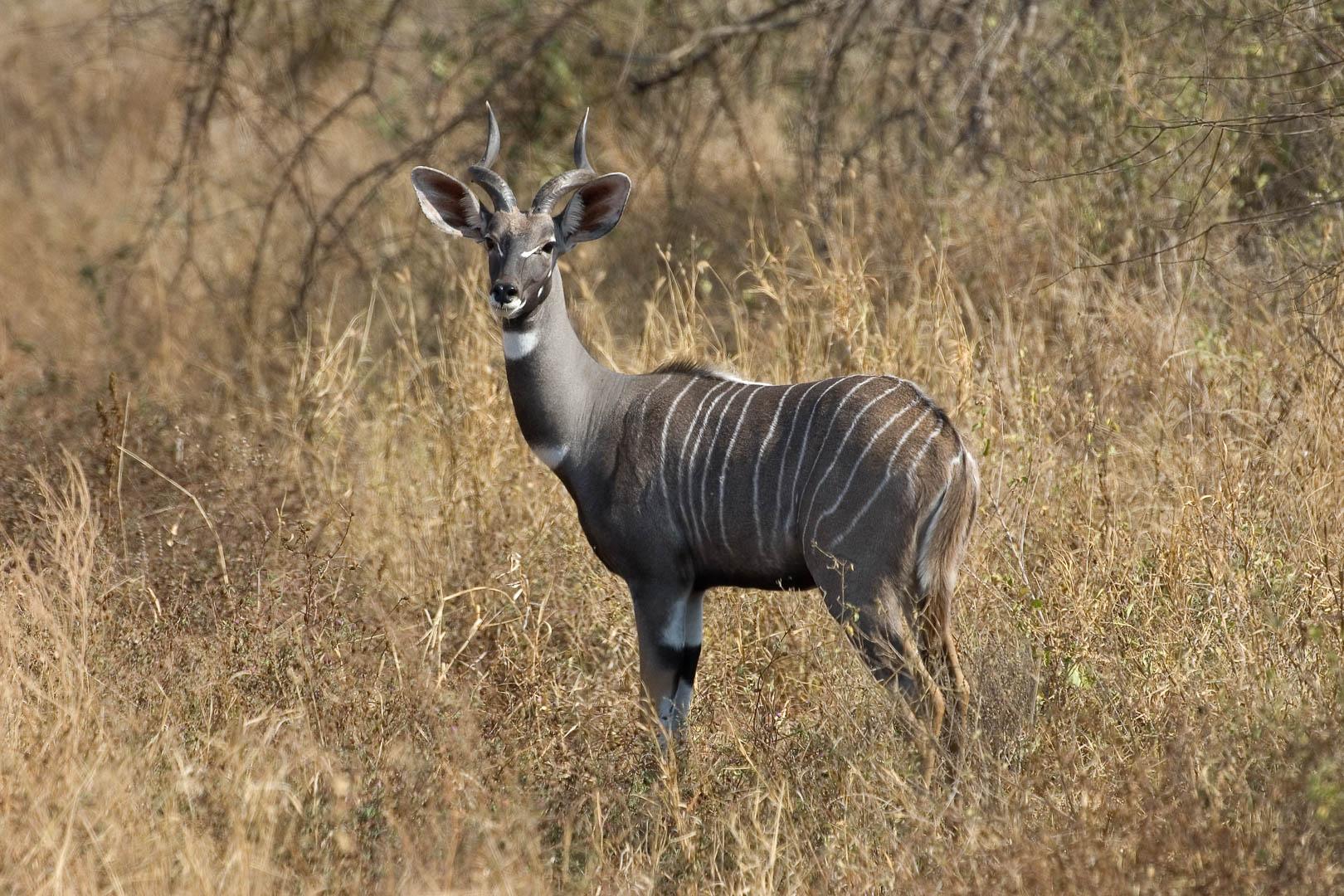
Kleiner Kudu Lesser Kudu Kleinkudu Tragelaphus imberbis
Lord Derby Eland Riesen-Elenantilope Riesenelenantilope Antilopen Giant Eland Taurotragus derbianus
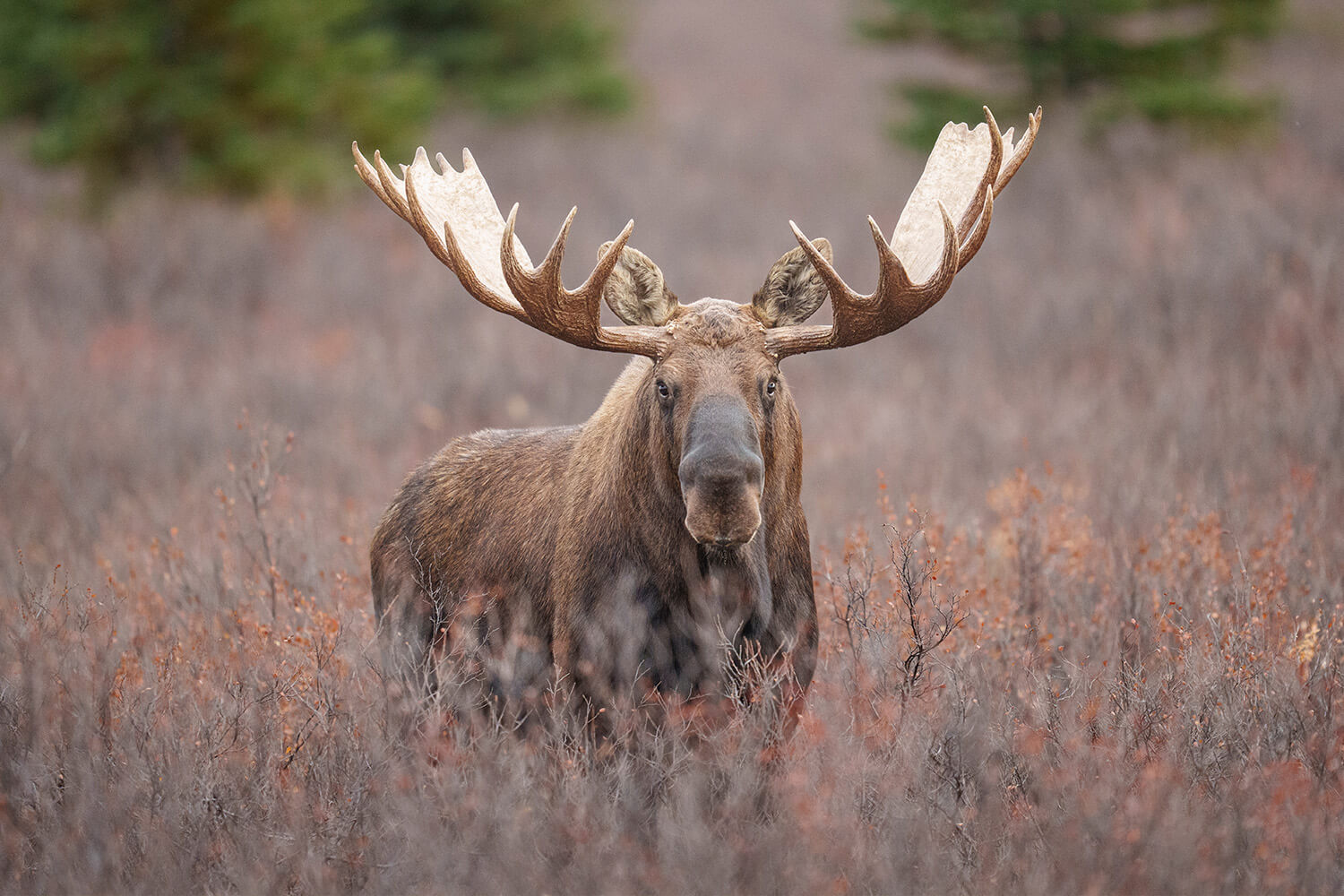
The moose (Alces alces) is the largest of all deer – its size only sinks in when you see one. North American bulls stand up to 2.3 metres at the shoulder and weigh over 700 kilograms; the European moose stays smaller. Antlers grow as broad palms or narrow beams; either can crown an old bull. Europe judges a trophy by antler weight, North America by spread. Despite its bulk, a moose moves almost silently through bog and birch. Its nose and hearing are excellent. Its home is forest with bogs, lakes and rivers, from the taiga to the Baltic.
Elchwild Elche Elchjagd Moose Alces alces
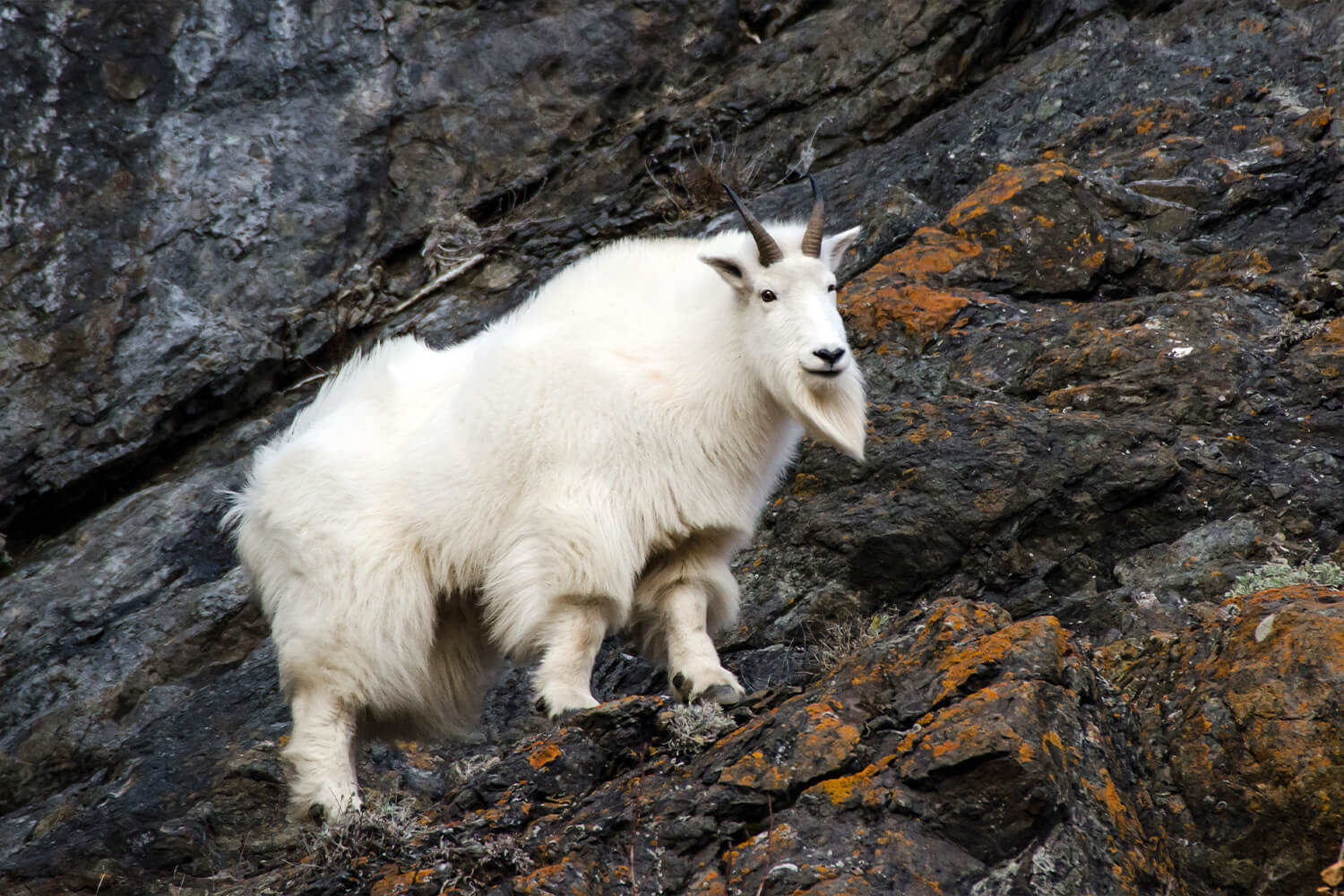
Wildziege Bergziege Mountain Goat Oreamnos americanus
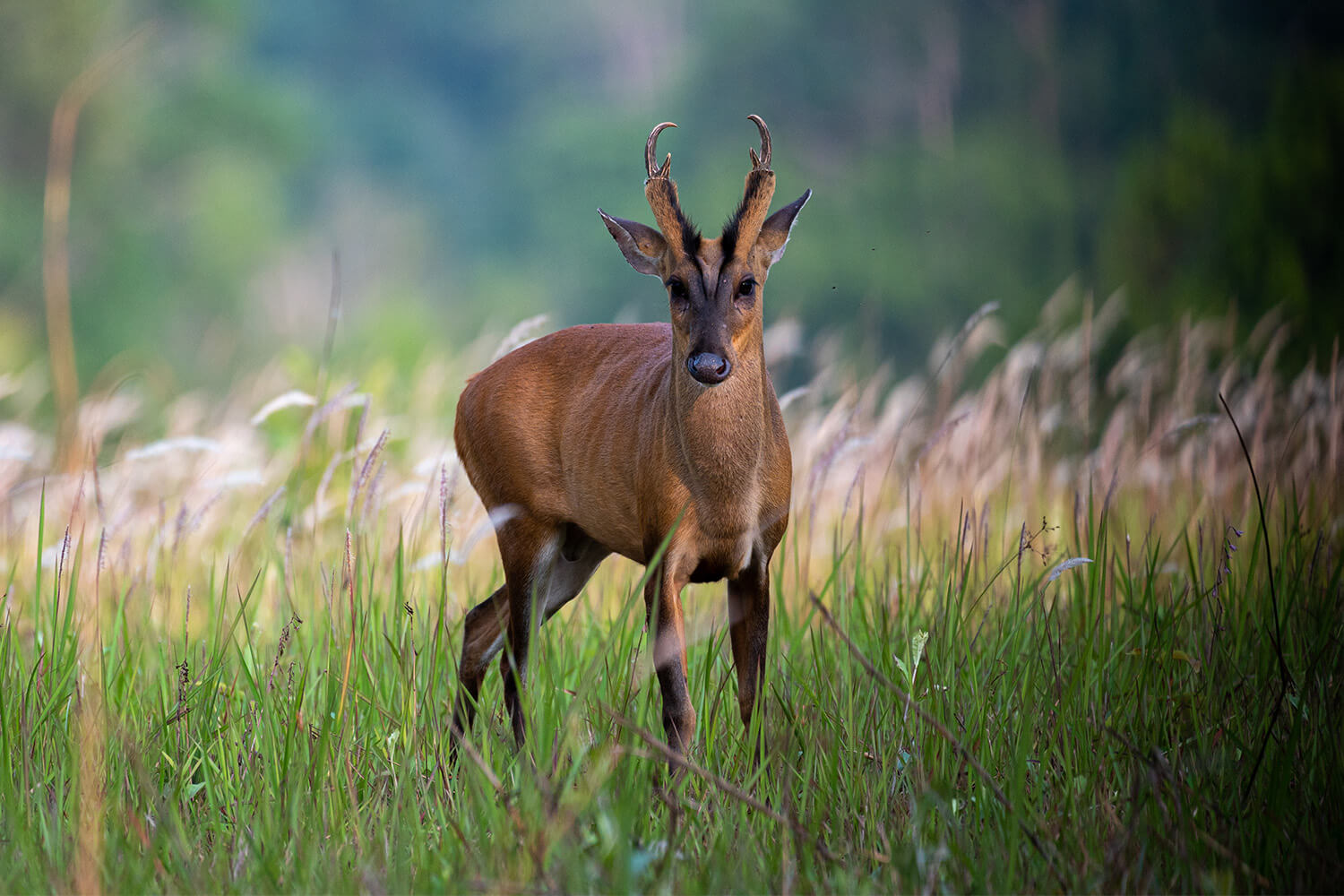
Muntjakhirsch Muntjac Barking Deer Muntiacus reevesi
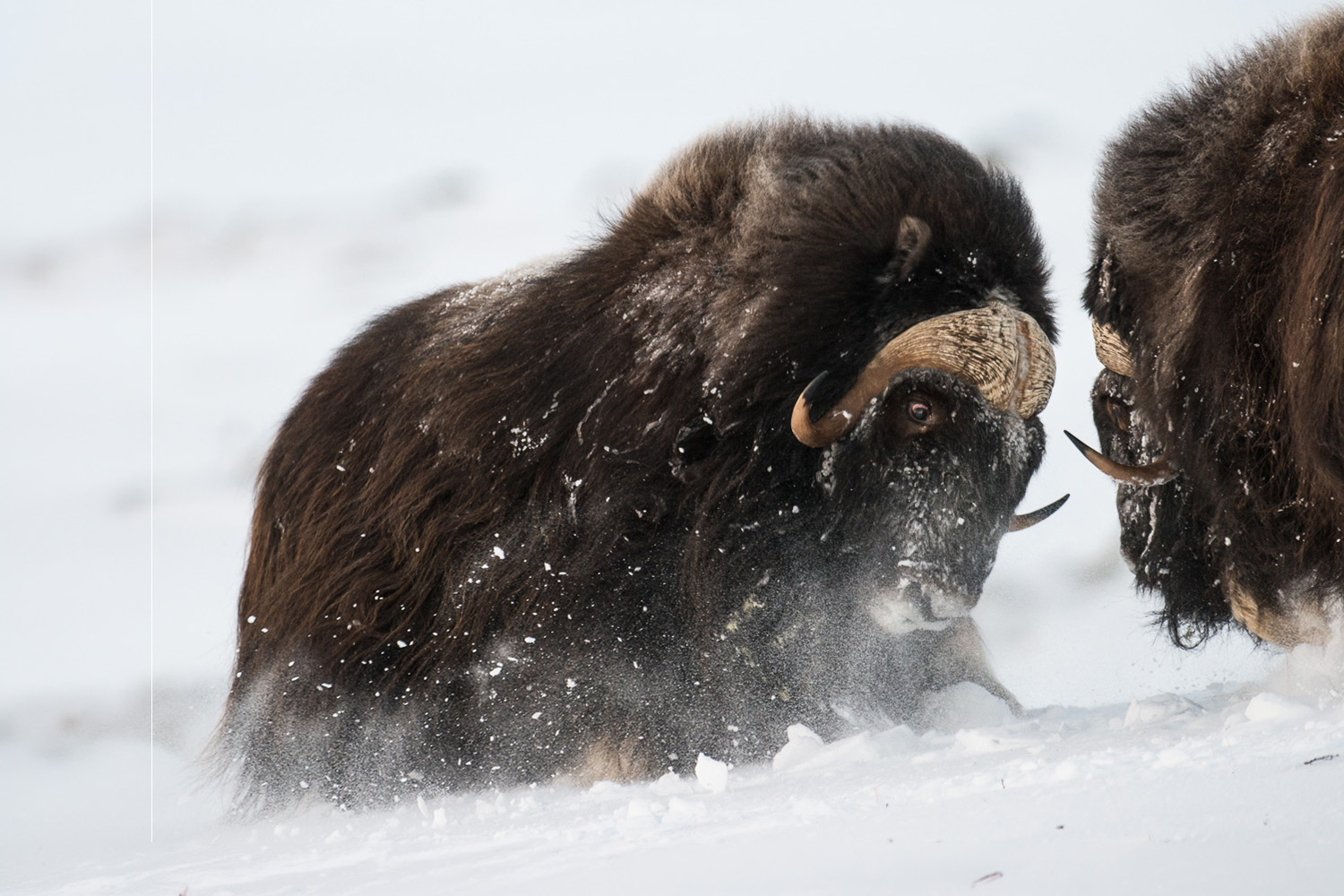
Muskox Musk Ox Ovibos moschatus
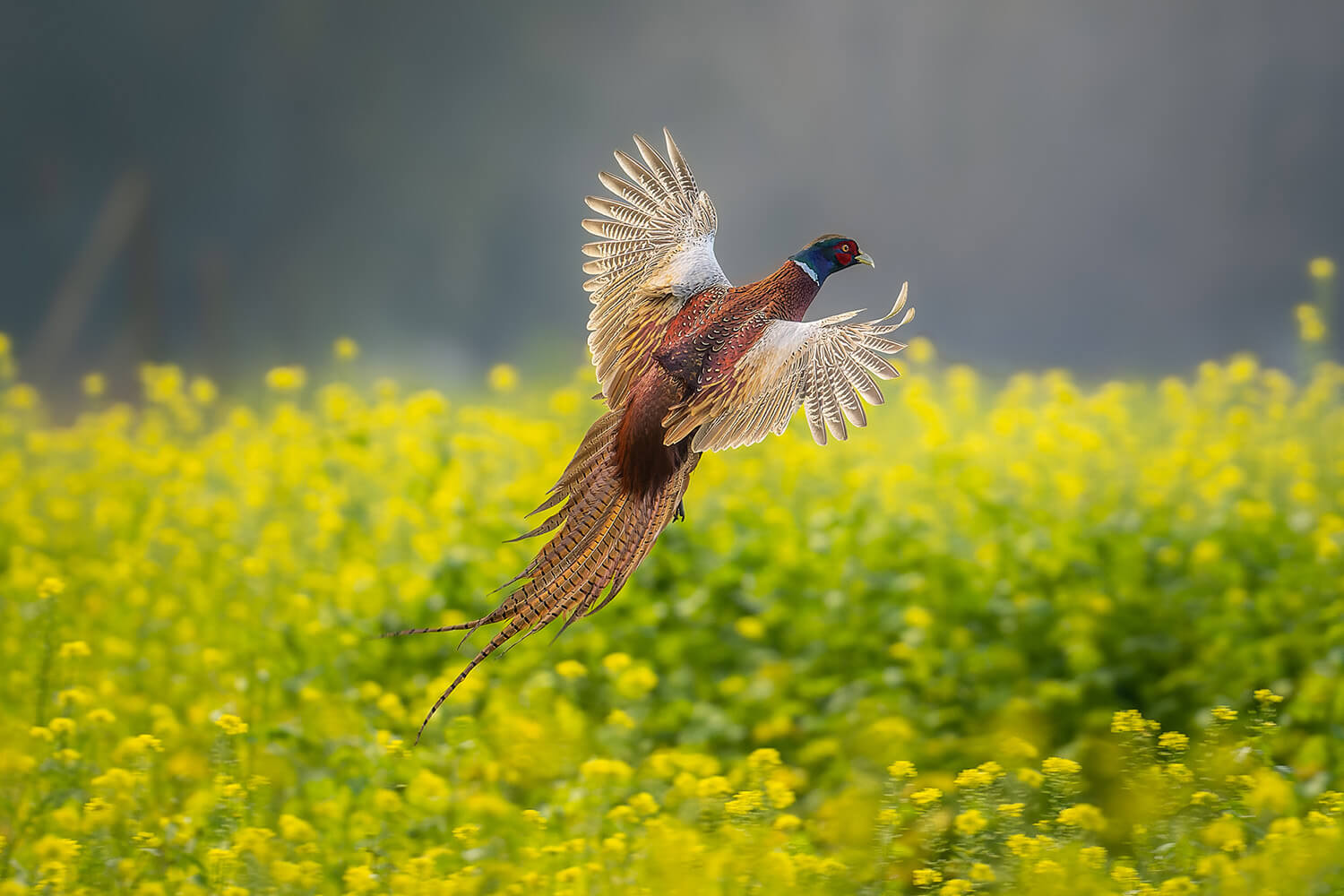
Federwild Flugwild Pheasant
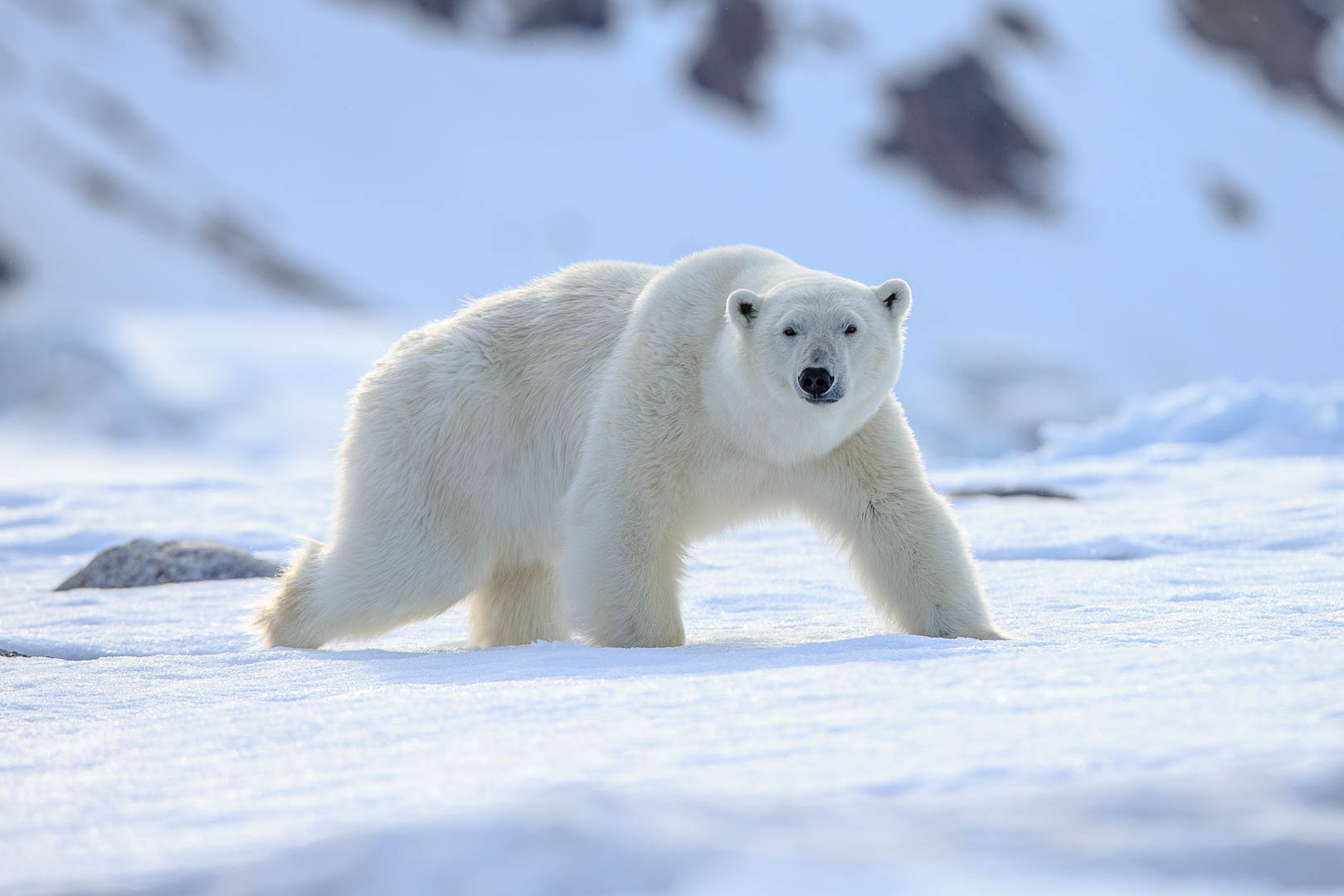
Eisbär Eisbaer Polarbär Polarbaer Bären Baeren Polar Bear Ursus maritimus
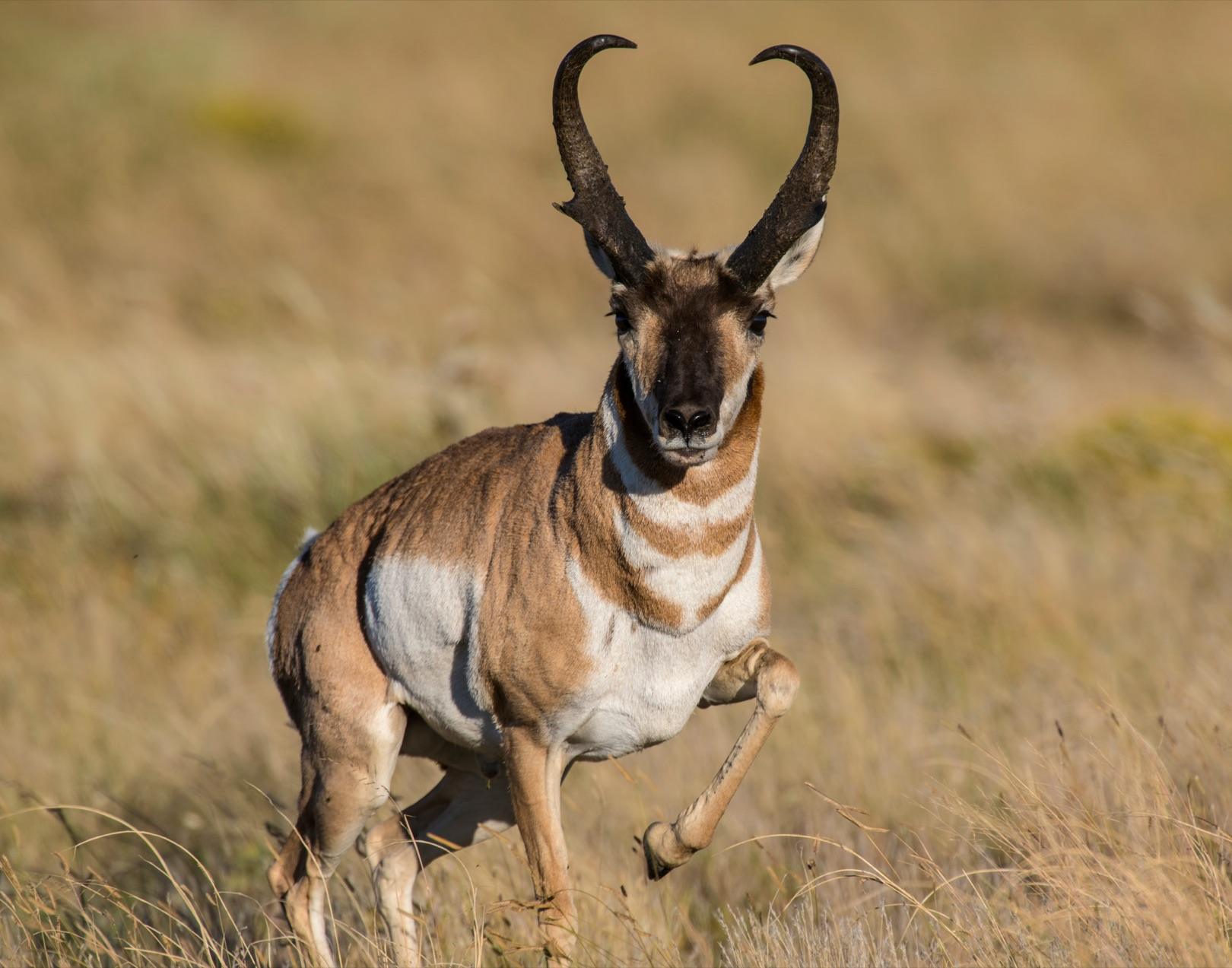
Gabelbock Gabelhornantilope Gabelantilope Antilope Antelope Antilocapra americana
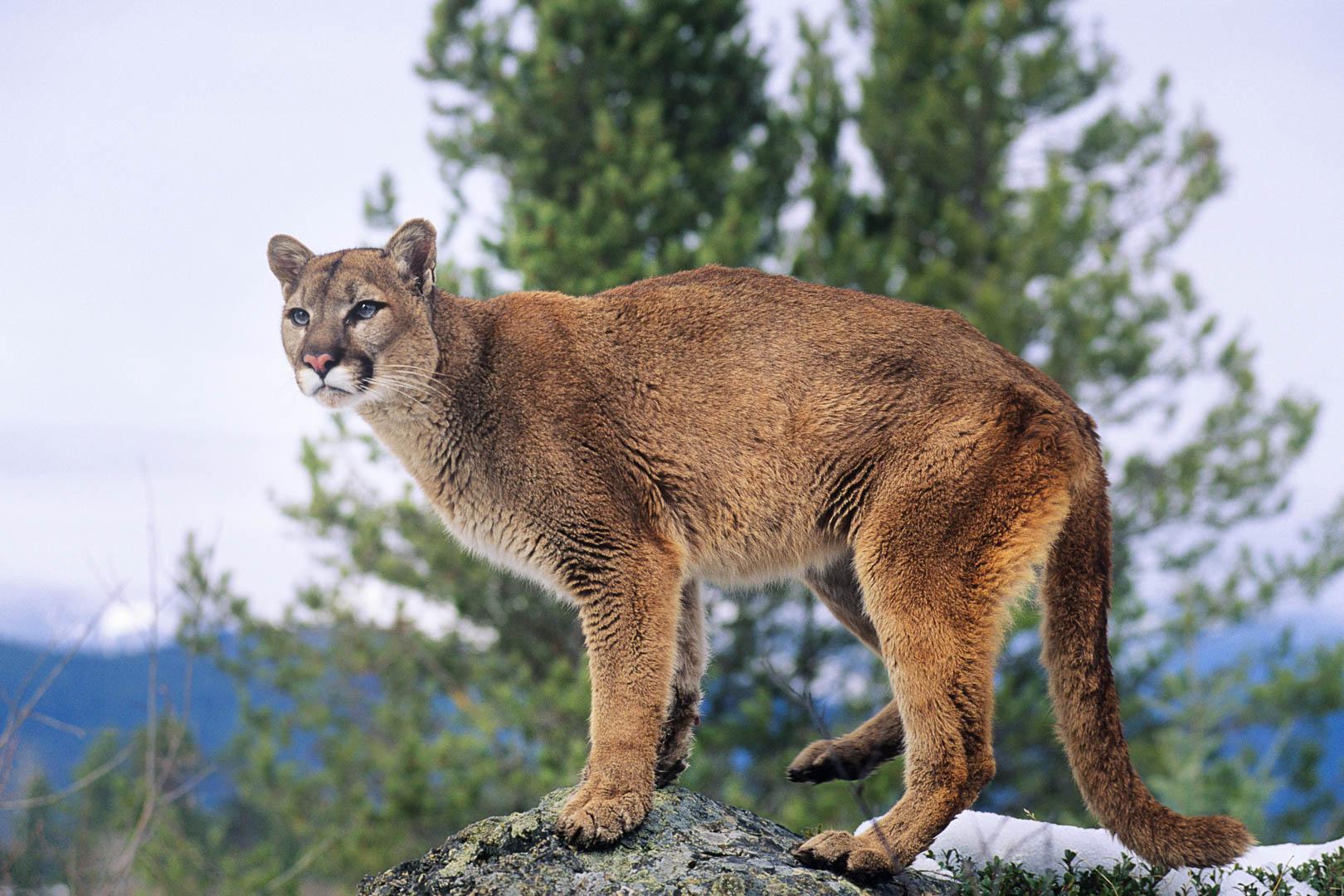
Berglöwe Bergloewe Cougar Mountain Lion
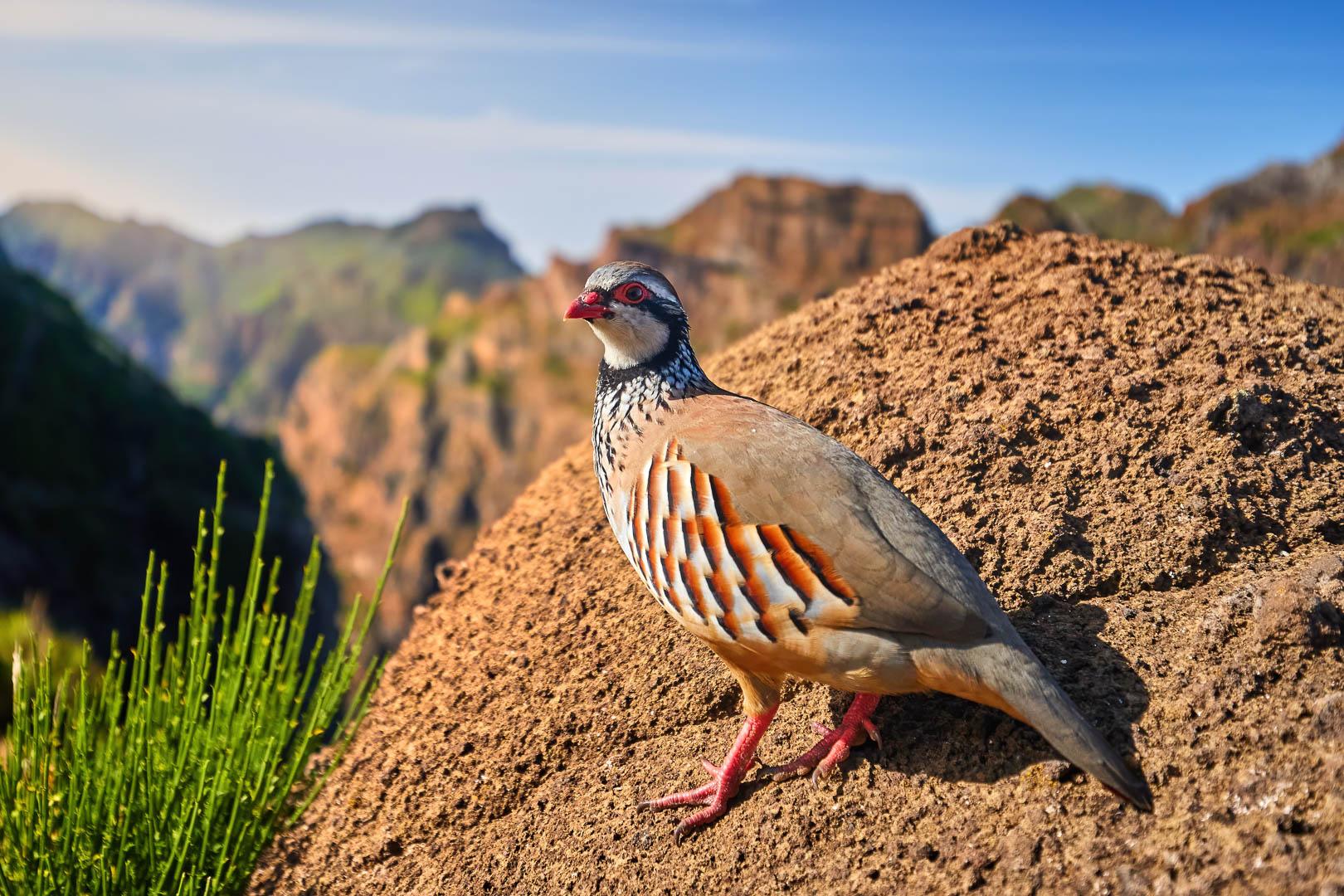
Rothuhn Rotes Rebhuhn Rebhuhn Federwild Flugwild Red-legged Partridge
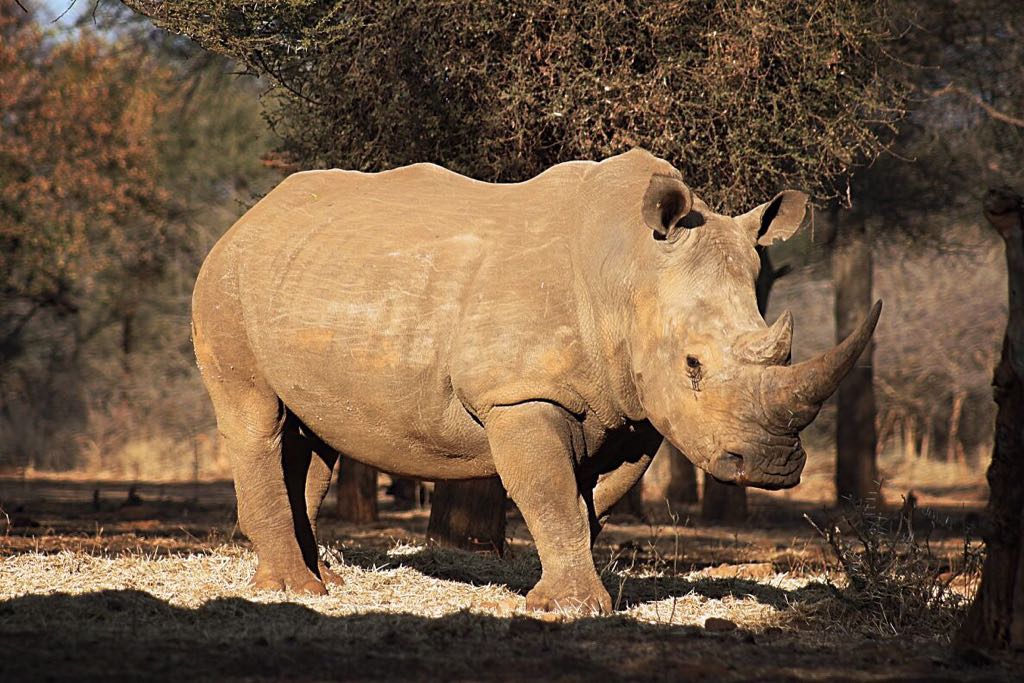
Rhinoceros Diceros bicornis Ceratotherium simum
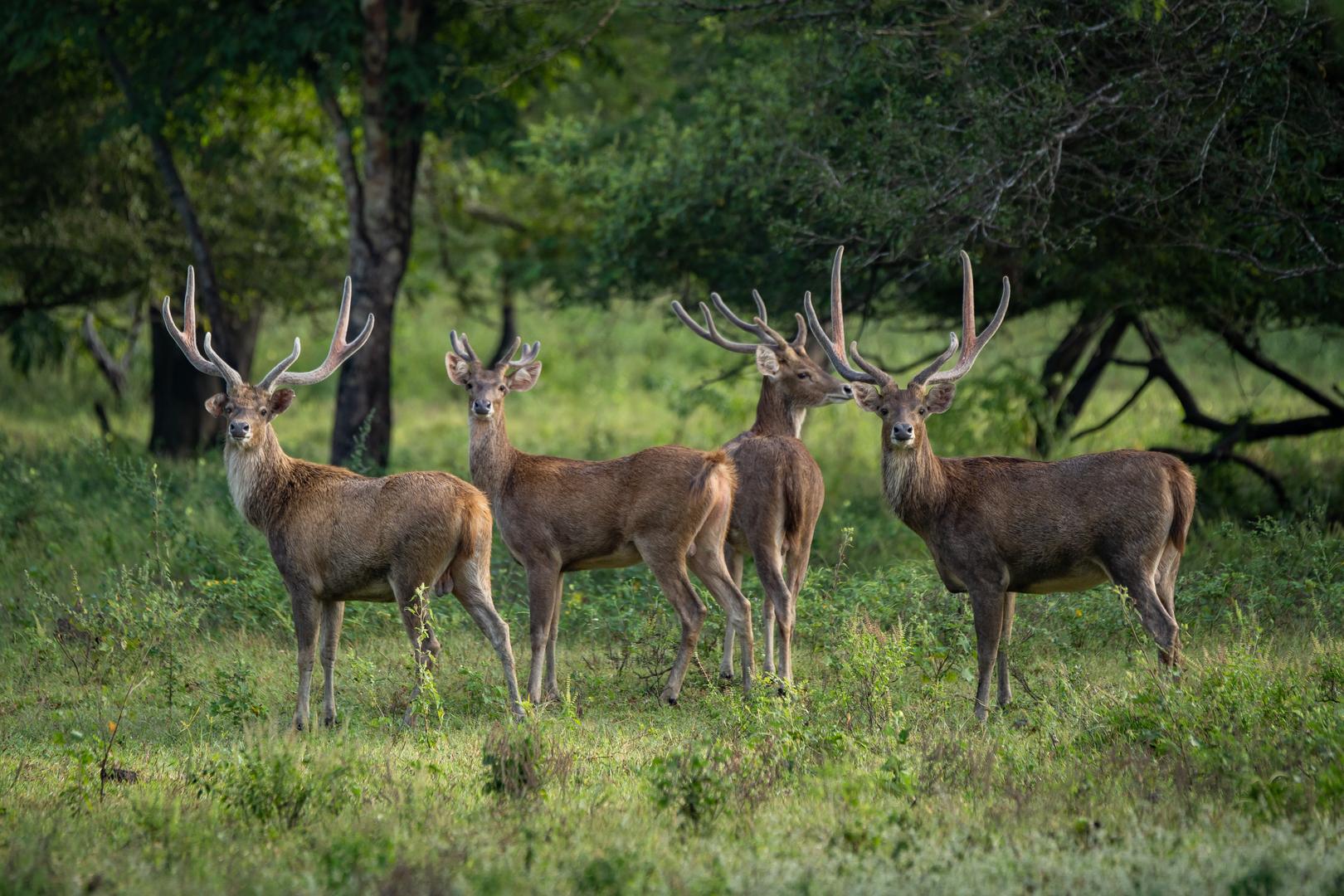
The Javan rusa (Rusa timorensis) originally comes from Indonesia. It lives on Mauritius because Dutch settlers brought it over from Java in the 17th century. The coat is greyish brown and slightly shaggy, and the strong antlers usually carry three tines per beam. Mass, pearling and the length of the beams make the trophy; antler weights of up to 8 kg are possible. The rut runs from mid-July to the end of August.
Rusawild Rusa Deer Javan Rusa Javan Deer Timor Deer Rusa timorensis Cervus timorensis rusa hunt rusa deer hunting Mauritius Mähnenhirsch Rusahirschjagd Rusajagd
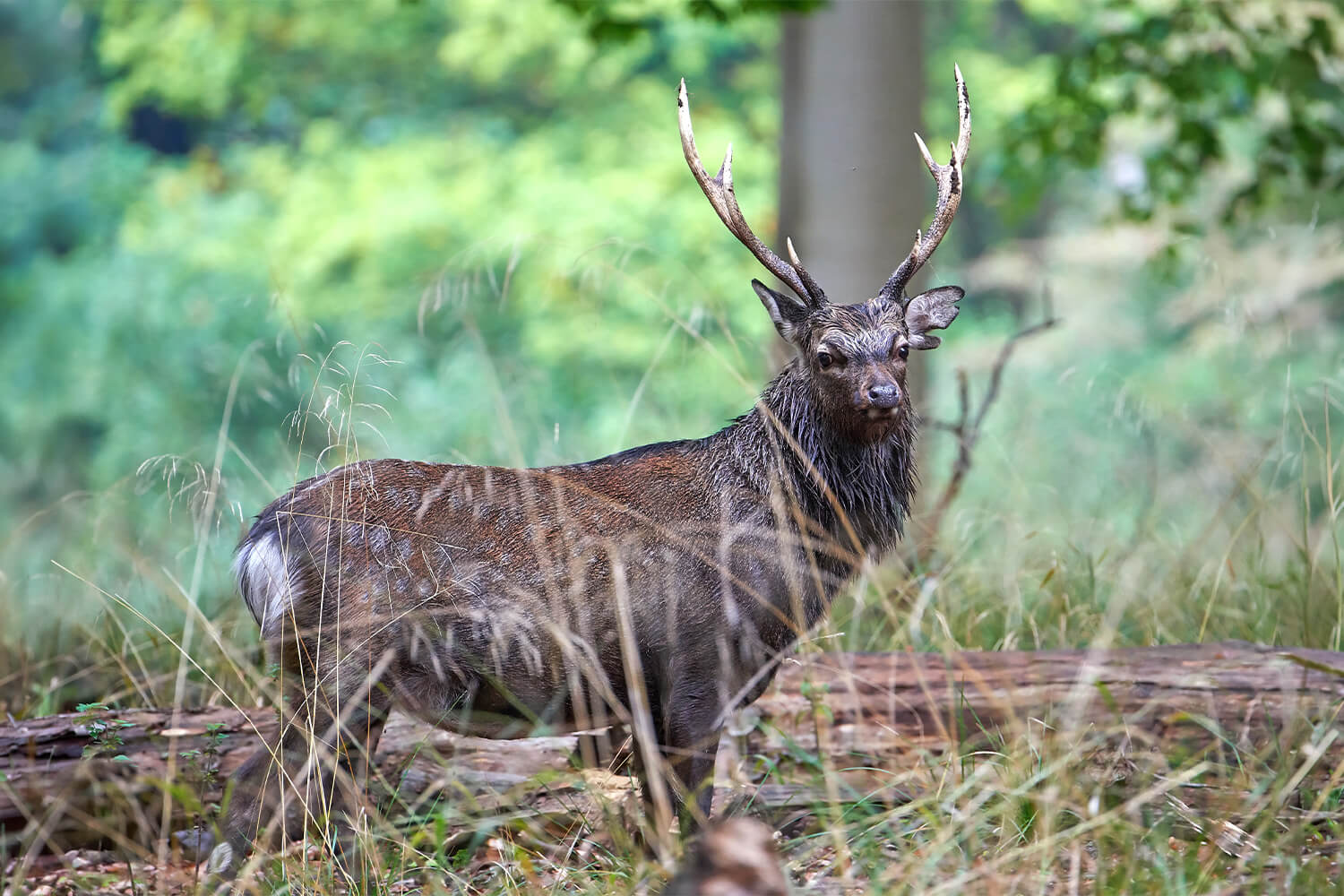
The sika deer (Cervus nippon) originates in East Asia and has been introduced to many parts of Europe. It is smaller than the red deer and roughly the size of a fallow deer. In summer it wears a reddish-brown coat with pale spots; in winter the coat darkens, the spots fade, and both sexes grow a thick mane on the neck. Sika favour woodland with dense undergrowth, where they are hard to make out. Which subspecies a European population belongs to is often unclear – most go back to Japanese sika, while the stronger Dybowski sika is rare.
Sikawild Sika Deer Cervus nippon hortulorum
In hunting terms, small game is everything that is not big game: hare and rabbit, pheasant, grey and red-legged partridge, duck and geese, pigeons and doves, woodcock and quail, and in the Scottish Highlands grouse and mountain hare as well. It is hunted with the shotgun, and what counts is not one strong trophy but a clean shot at fast quarry. Red-legged partridges come in low and at speed, pheasants fly high over the guns, woodcock zigzag through the trees. Small game lives in open, varied country: fields, hedges, copses, streams and moorland.
Niederwild Niederwildjagd Kleinwild Flugwild Wingshooting Walked up Driven shooting Partridge Rebhuhn Hare Hase Rabbit Duck Ente Goose Quail Wachtel
Wildschaf Schafe Snow Sheep Ovis nivicola alascensis
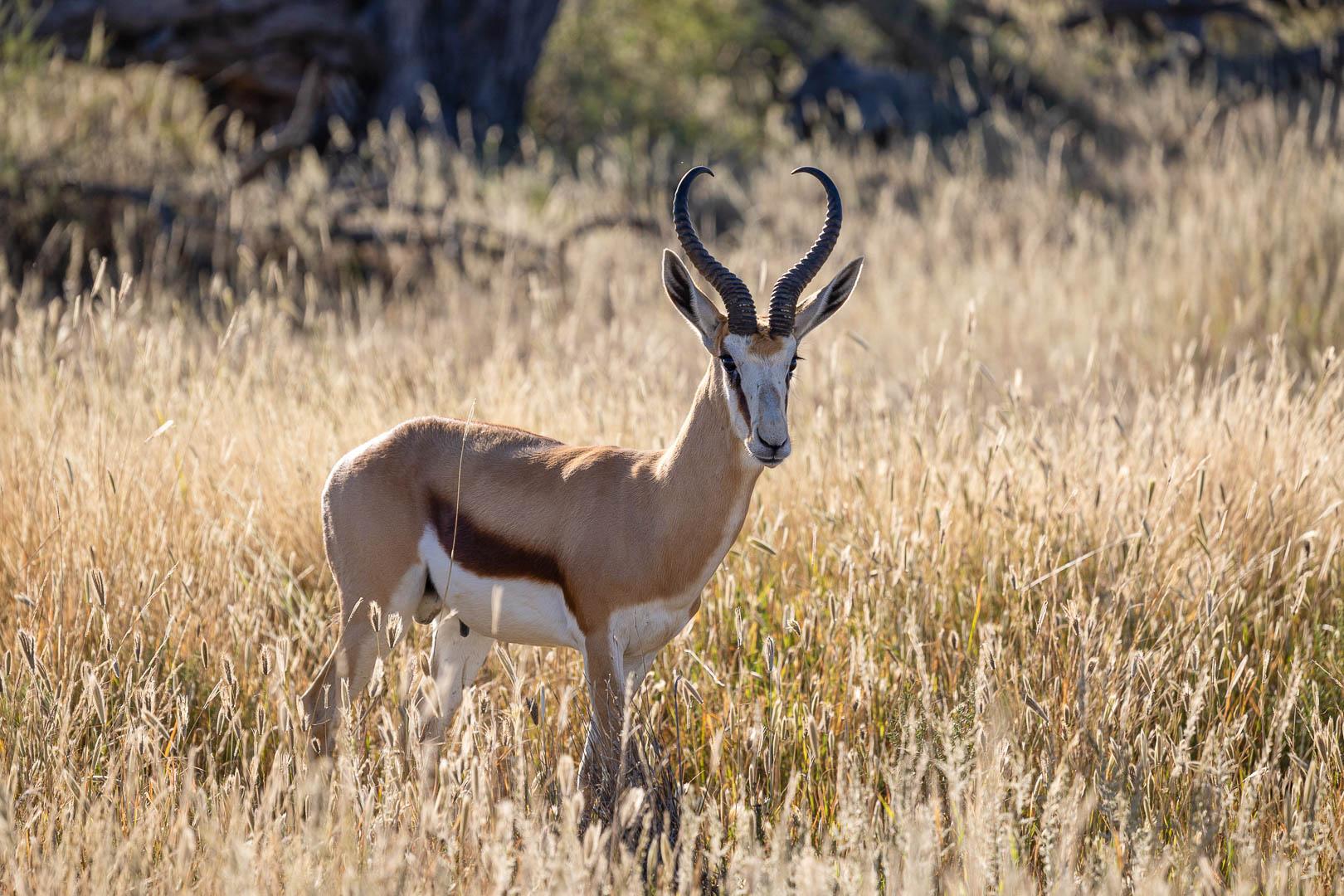
Antilopen Springbok Antidorcas marsupialis
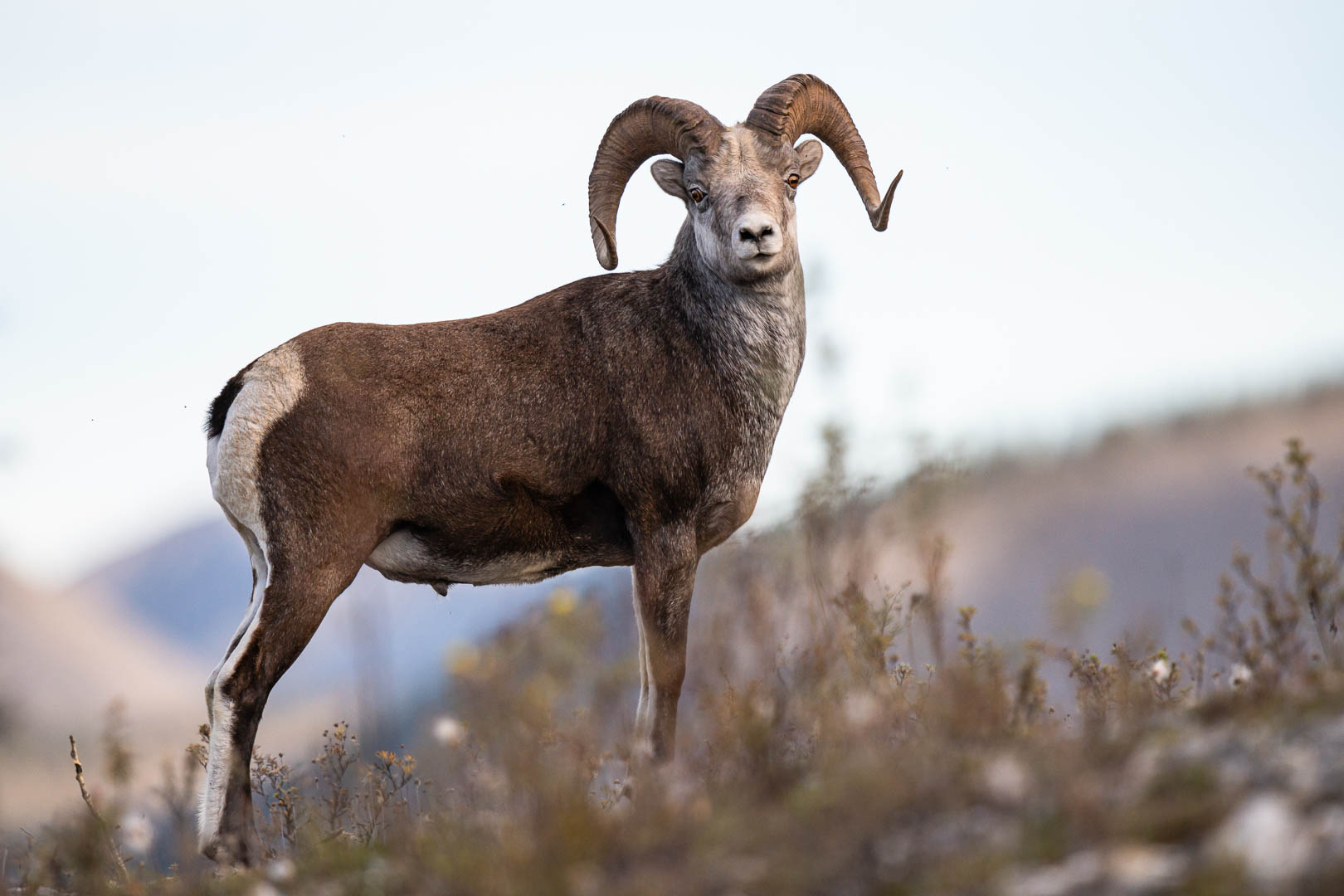
Wildschaf Schafe Stone Sheep
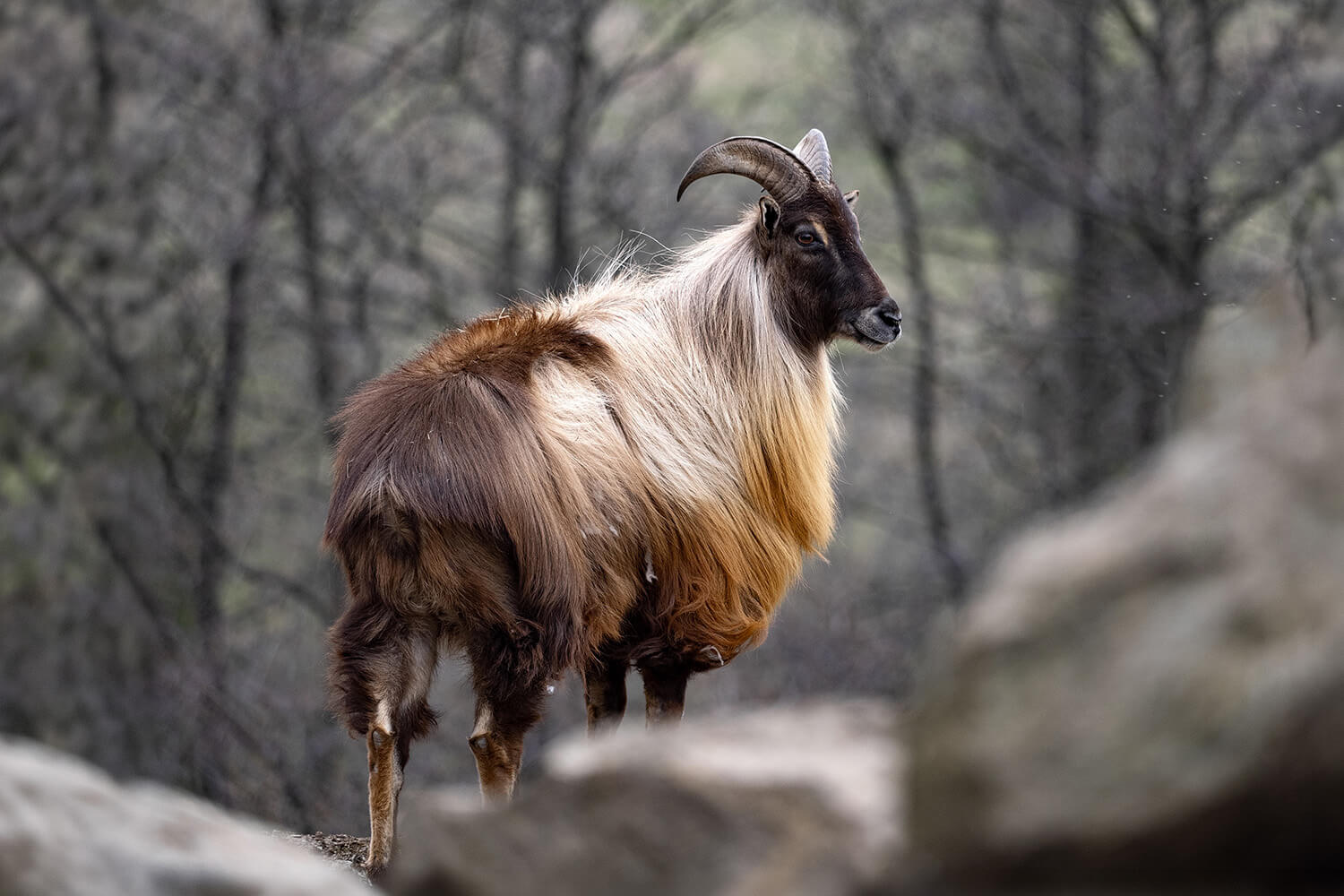
Wildziege Thar Himalayan Tahr Hemitragus jemlahicus
Turs are the wild goats of the Caucasus, a range some 1,100 kilometres long whose highest peak, Mount Elbrus, reaches 5,642 metres. Three forms are recognised. The Kuban or West Caucasian tur (Capra caucasica) lives in the north-west, in Karachay-Cherkessia along the Kuban River; its horns sweep wide in a sabre shape and carry heavy transverse ridges. The Dagestan tur (Capra cylindricornis) of the eastern Caucasus has smooth horns that curve outwards in a crescent. Between the two, in Kabardino-Balkaria, lives the Mid-Caucasian tur, an intermediate form with variable horns. Next to a Siberian ibex a tur looks far more massive, standing up to 110 centimetres at the shoulder. The summer coat is reddish brown above and greyish below, turning an even grey-brown in winter. Turs live in herds; old billies keep to small groups or stay alone, usually above 3,000 metres. A Kuban tur is considered strong from 75 centimetres (about 30 inches) of horn, a Dagestan tur good from 85 centimetres (about 33 inches).
Wildziege Kaukasischer Tur Caucasian Tur Capra caucasica Capra cylindricornis tur hunting tur hunt turs Kuban tur West Caucasian tur Dagestan tur East Caucasian tur Mid-Caucasian tur Turjagd Caucasus Kaukasus
Wildschaf Schafe Ovis vignei arkal Ovis vignei blanfordi Ovis vignei bochariensis Ovis vignei cycloceros Ovis vignei punjabiensis Ovis vignei severtzovi Ovis vignei vignei
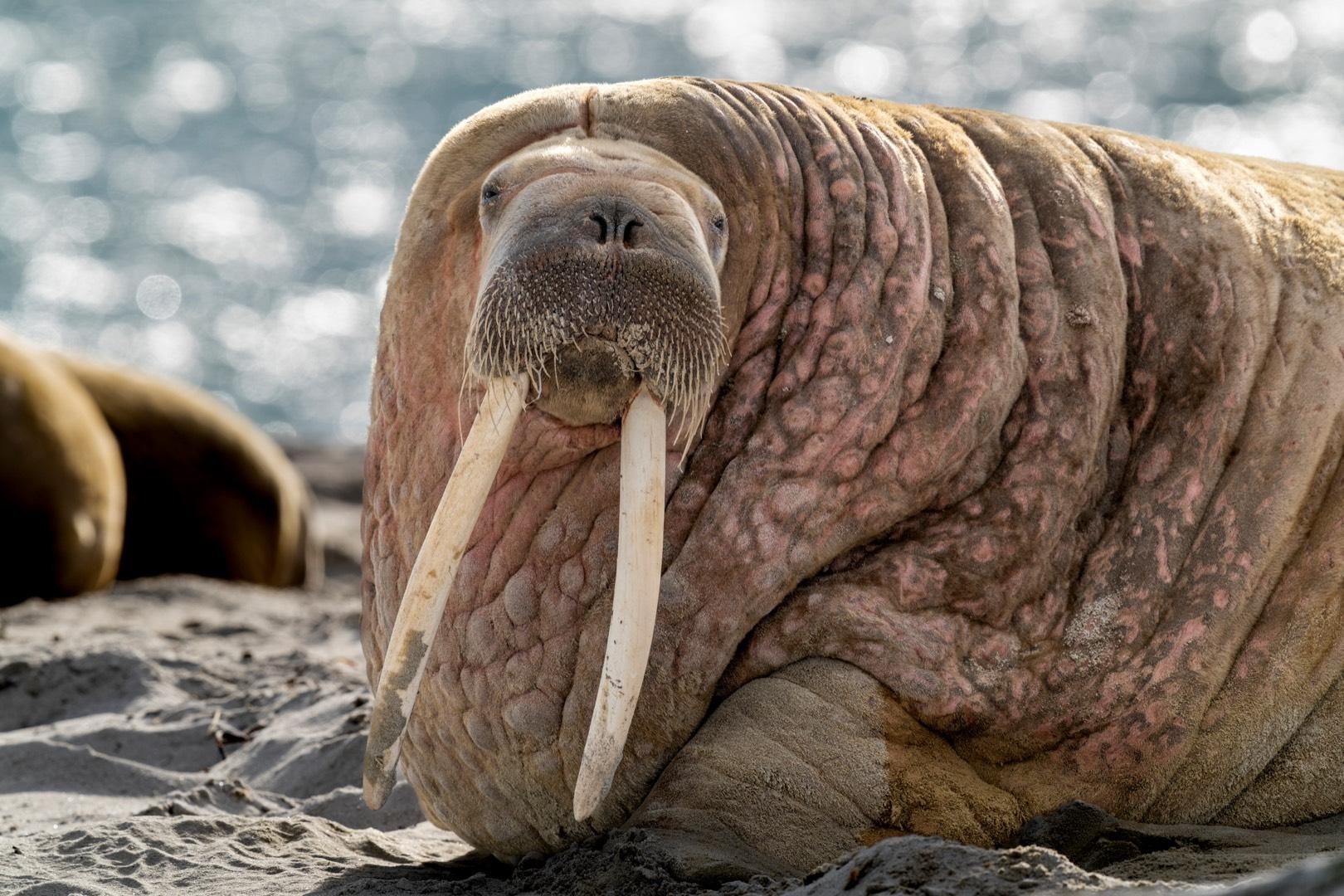
Walrus Odobenus rosmarus Atlantic Walrus
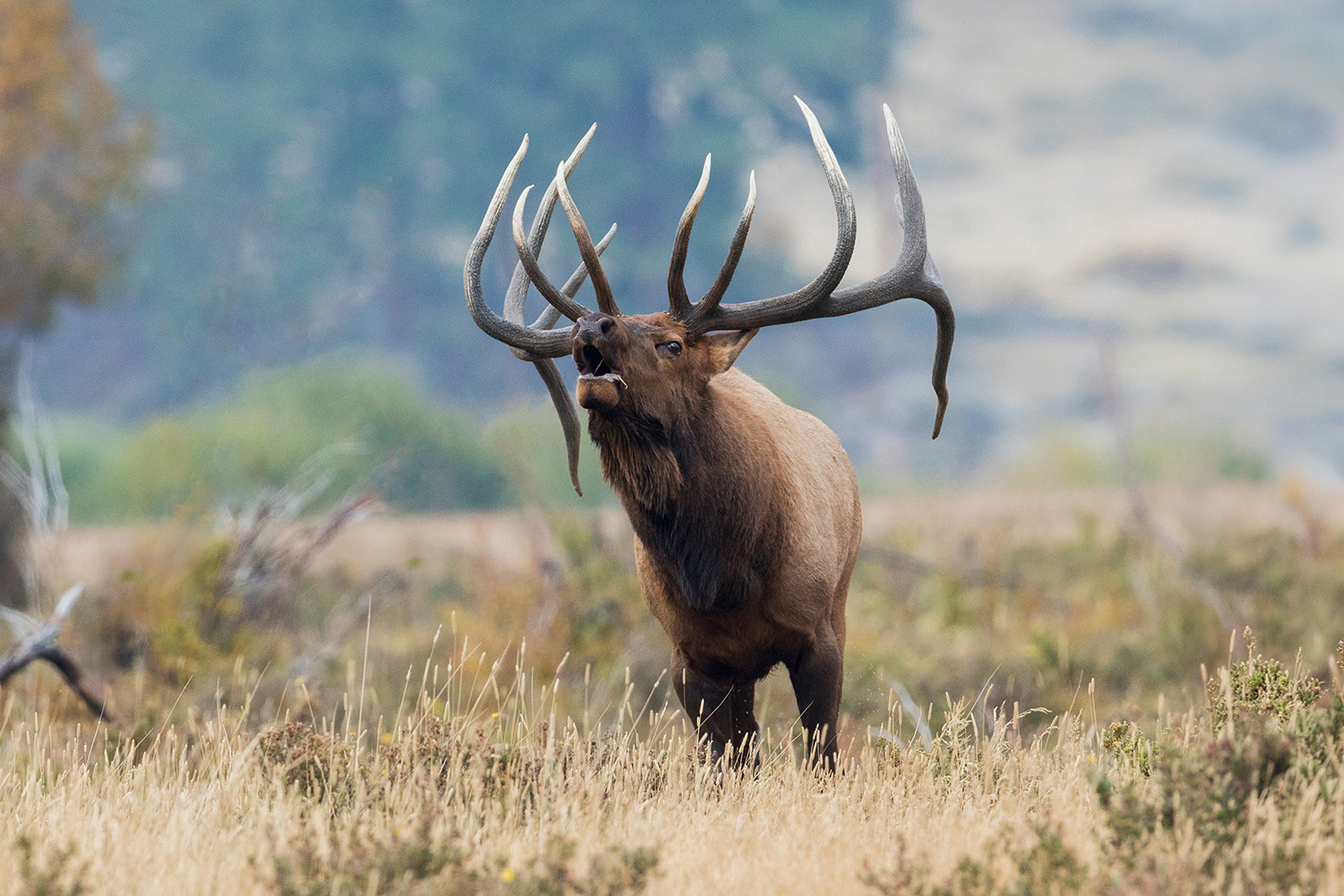
Rotwild Hirsch Cervus canadensis
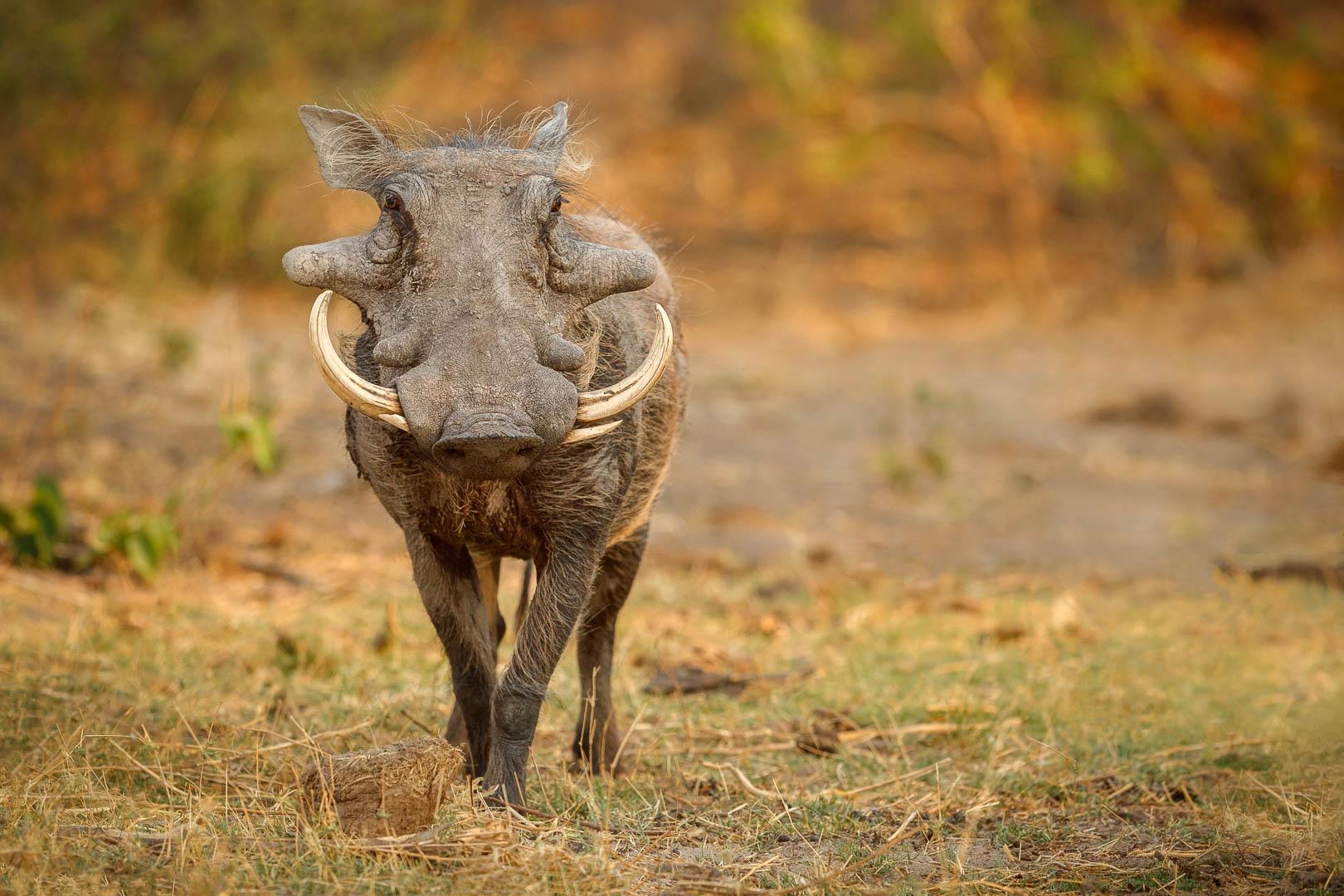
Warthog Phacochoerus africanus
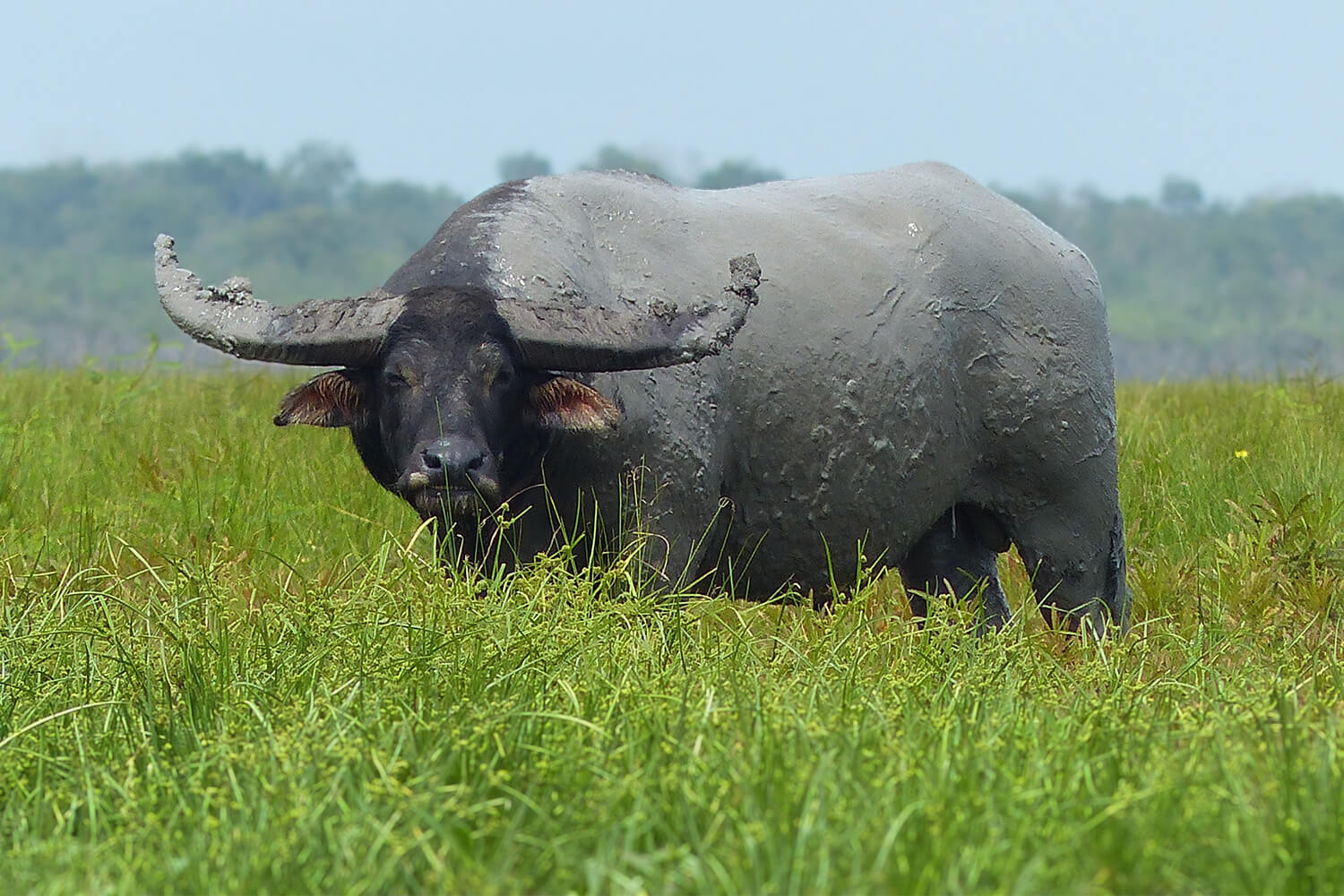
Wasserbueffel Water Buffalo Asian Buffalo Bubalus bubalis
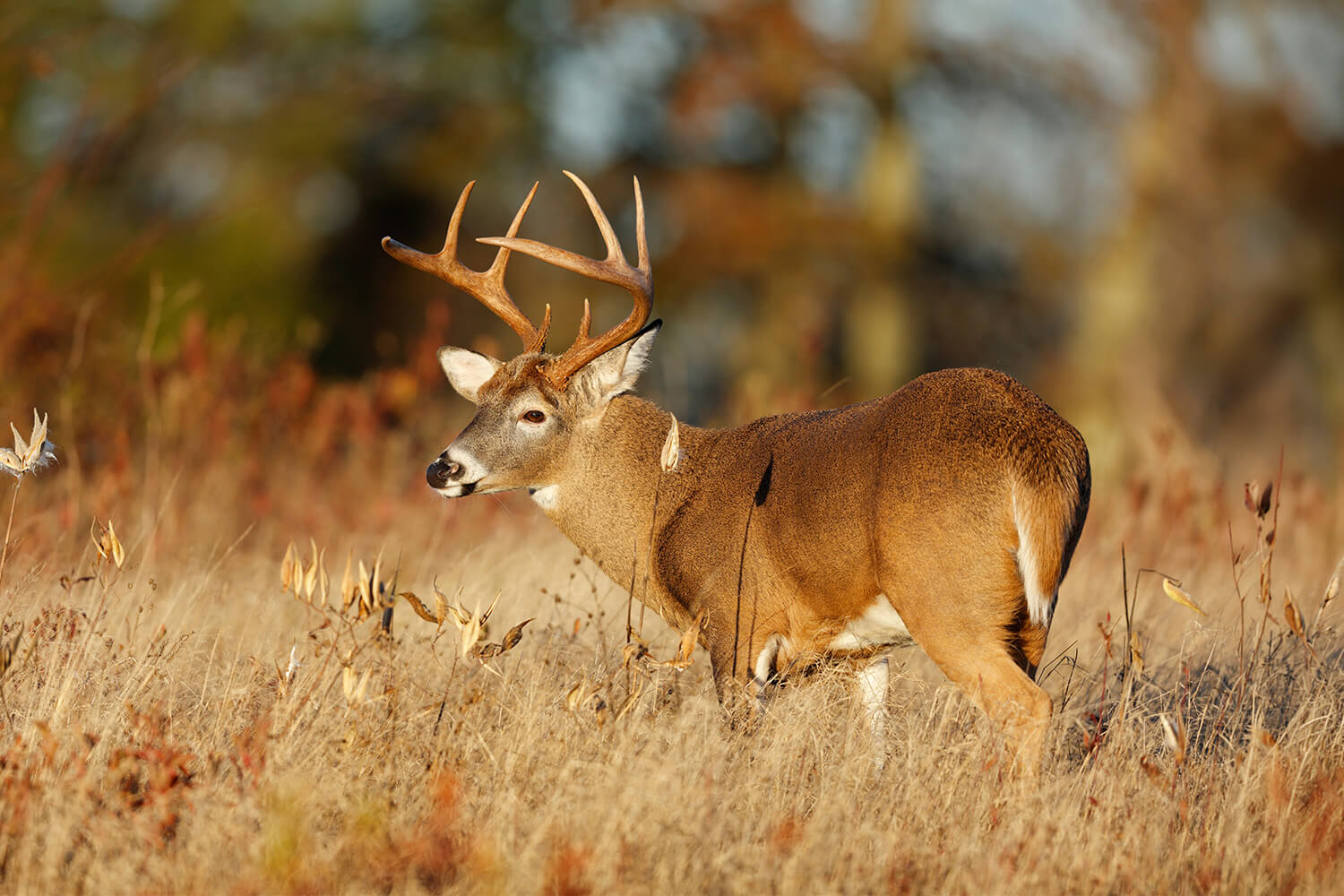
Weisswedelhirsch White-tailed Deer Whitetail White Tail
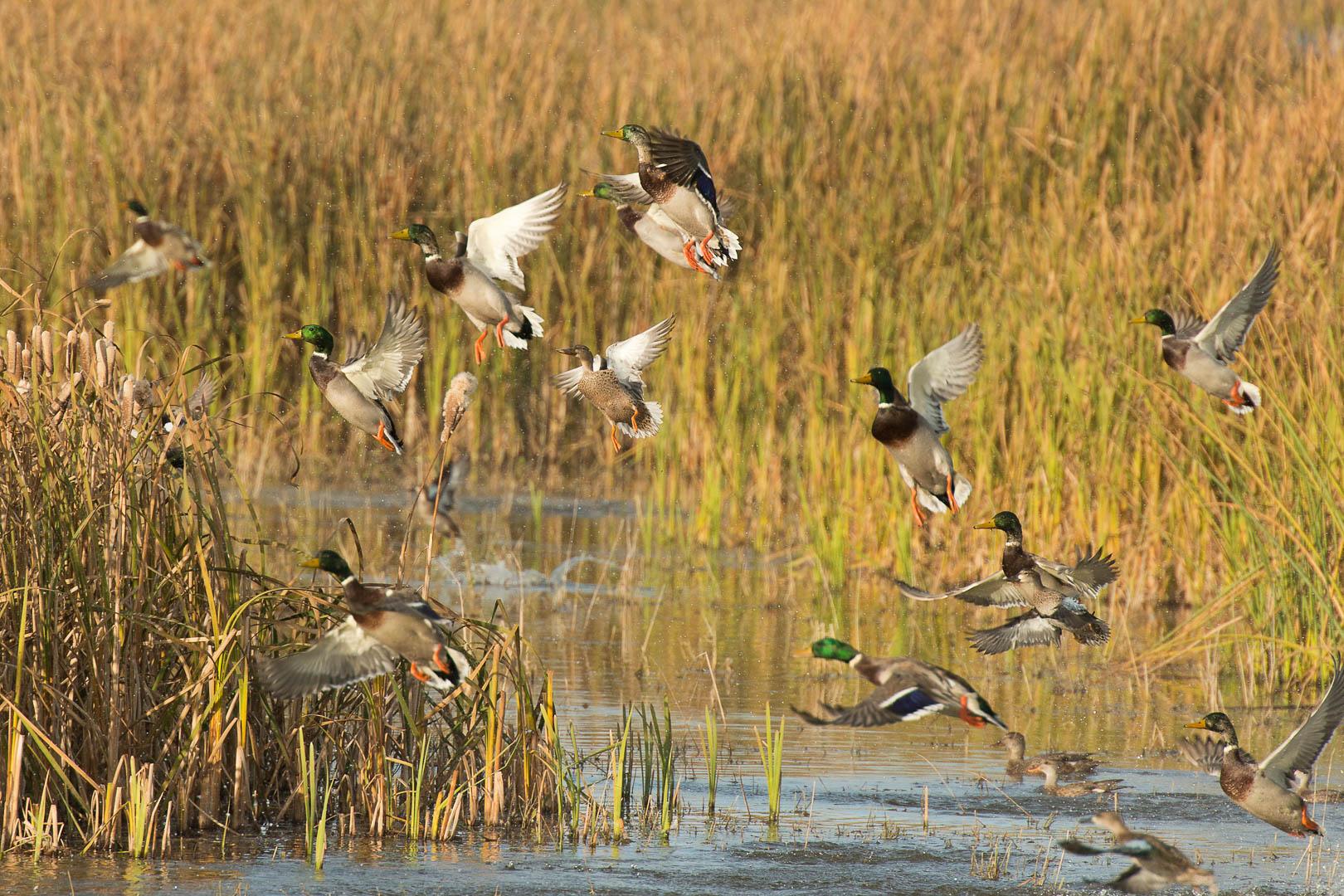
Feathered game covers every bird you can hunt: pheasant, grey and red-legged partridge, duck, geese and doves, woodcock and grouse, plus capercaillie and black grouse. Most of it is shot on the wing with a shotgun, and every species flies differently. Pheasants climb steeply and come high over the guns, partridges skim low over the fields in coveys, doves are fast and agile, woodcock slip silently out of the trees at dusk. Capercaillie and black grouse are a world of their own. They live in large, quiet forests and bogs and are hunted one bird at a time at the spring lek.
Wingshooting Federwild Flugwild Feathered Game Bird Hunting Bird Shooting Driven Shooting Driven Pheasant Partridge Shooting Dove Shooting Duck Shooting Capercaillie Black Grouse Lek
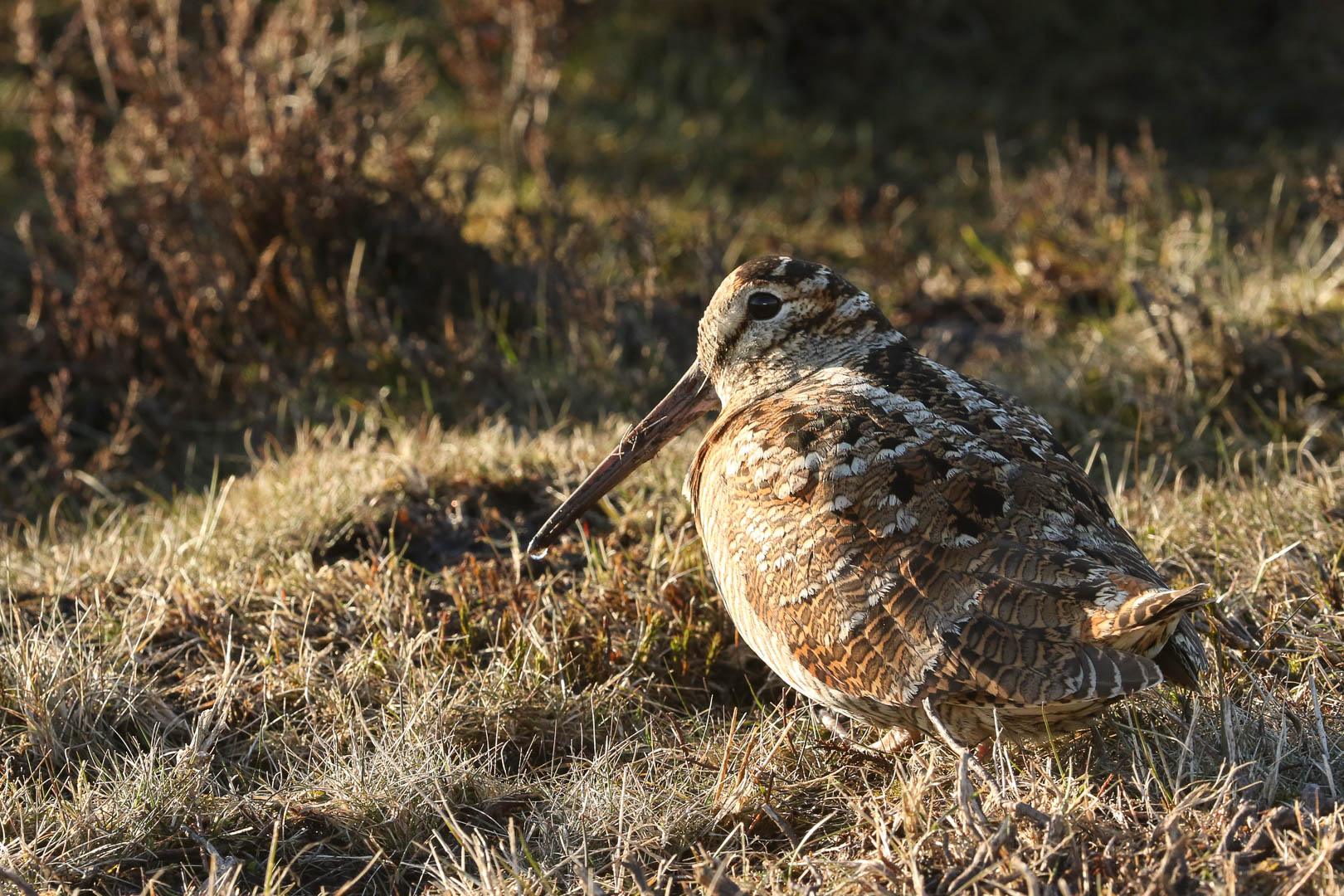
Federwild Flugwild Schnepfen Woodcock