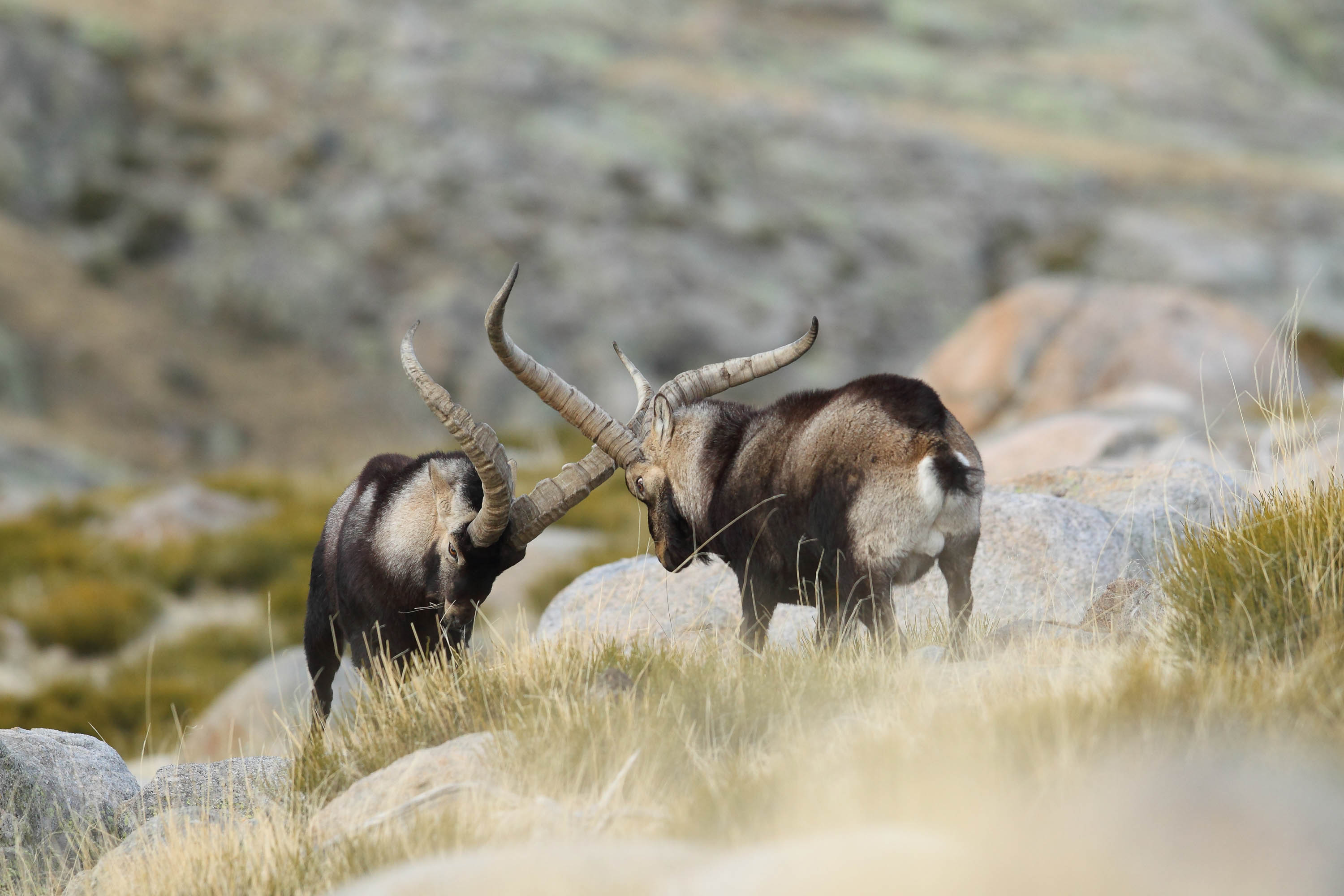
Two Iberian ibex fighting in rocky terrain – Westfalia Jagdreisen
— FOUR DAYS INCLUDING FLIGHTS —

Iberian Ibex
Spain

Four subspecies in four mountain ranges – from the Mediterranean coast to the Sierra Nevada.
PRICE
trophy fee included
4 days
DURATION
Sep–May
SEASON
Spot and stalk
METHOD
— FOUR RANGES, FOUR SUBSPECIES —

You don’t have to be a mountaineer to get your shot here.

Beceite on the Mediterranean coast, Gredos west of Madrid, Ronda and the Sierra Nevada in the south – four mountain ranges, four subspecies of Capra pyrenaica, often differing only in nuances. All four ranges are easy going; average fitness is enough. Ibex are active by day, the guides know their mountains, and two hunting days are usually sufficient.

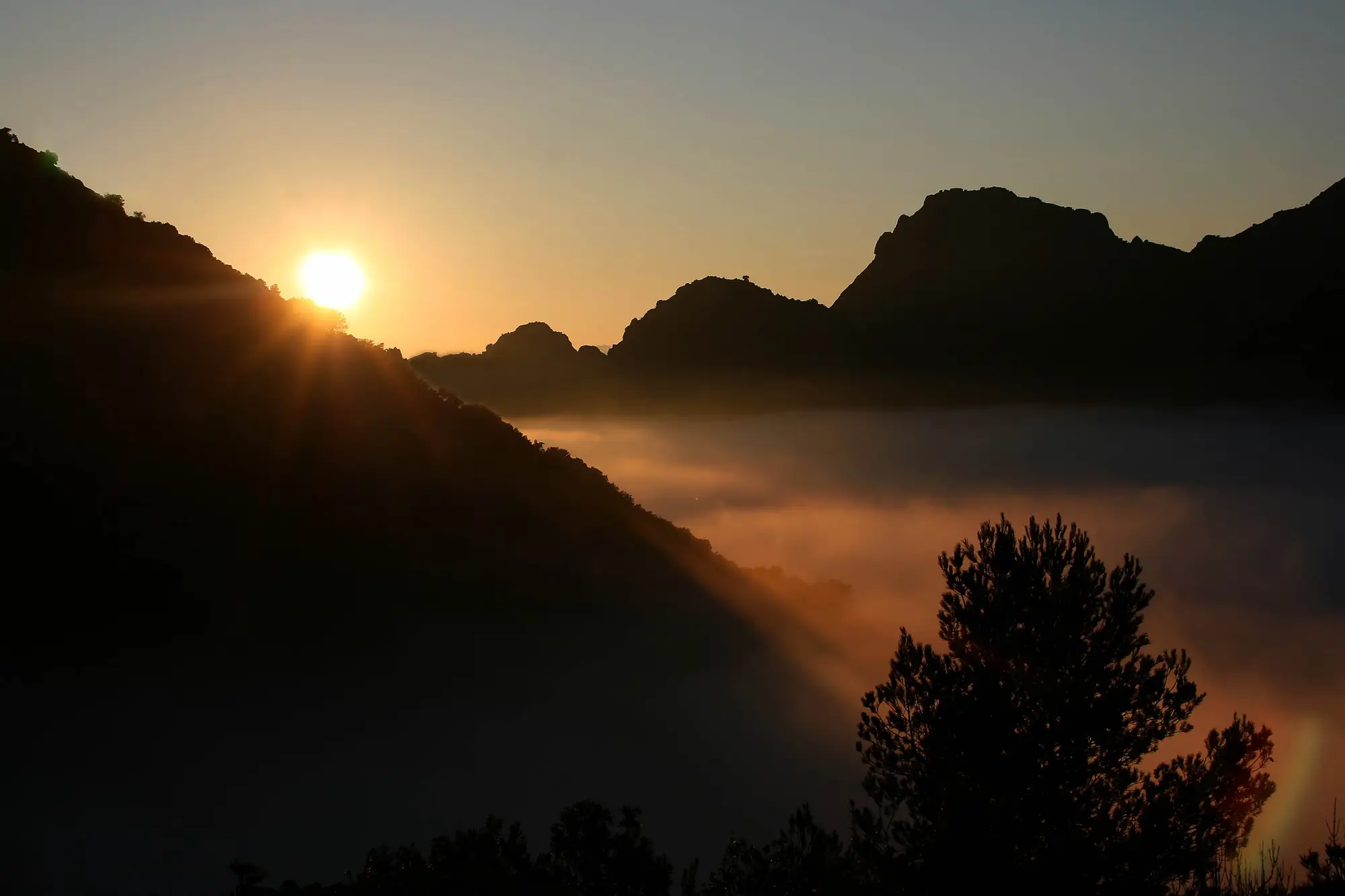
Morning fog in the valleys of the Spanish sierra – Westfalia Jagdreisen
— GOOD TO KNOW —

Why Spain?

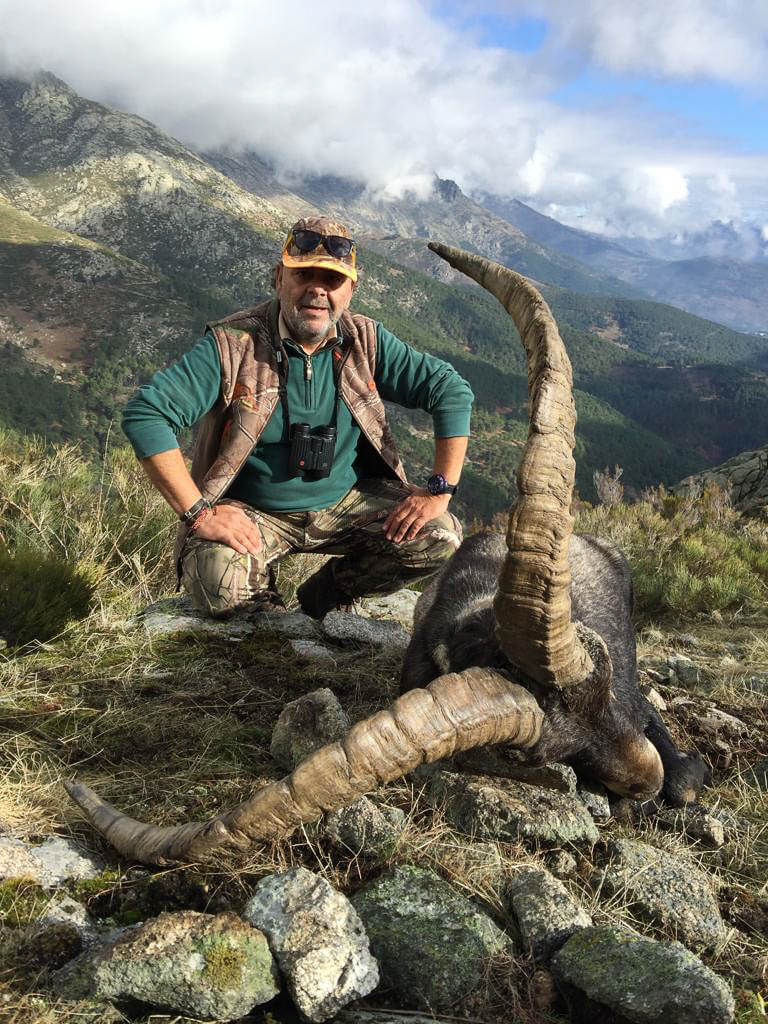
The Iberian ibex subspecies differ mainly in horn shape and body weight. The Beceite carries straight horns spiralling outwards and is the heaviest subspecies; the Gredos shows the classic lyre shape with horn lengths up to 95 cm; the Ronda stays smaller and in horn shape most resembles the Alpine ibex; the Sierra Nevada produces the widest variety of horn shapes.

‍

EU hunters travel with their own rifle – no carnet, no detours. Four days including flights are enough for one subspecies, so the trip fits into a long weekend.

For collectors we offer the Grand Slam of Spain: all four subspecies in one trip, up to eight hunting days with transfers between the ranges. Prices for the individual subspecies and the medal surcharges for Beceite and Gredos are listed in our brochure.

Four huntable subspecies
Easy-going mountains
Four days including flights
One trophy included in the price
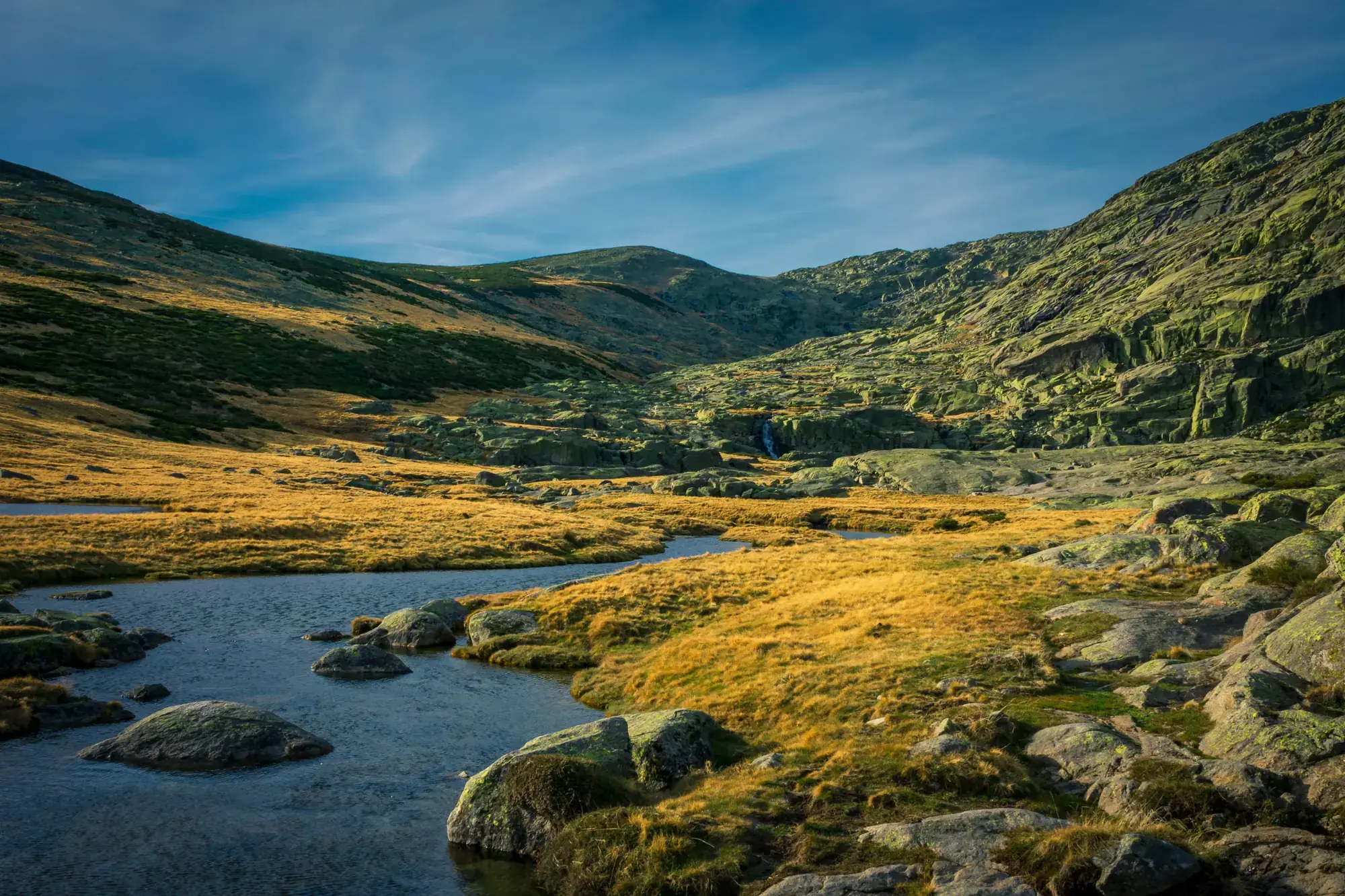
Glacial valley in the Sierra de Gredos, Spain – Westfalia Jagdreisen
Sierra Nevada
Beceite
Ronda
Gredos
Oct–Apr
SEASON
70–75 cm avg.
SPECIAL FEATURE
Southern Spain
LOCATION

A variety of horn shapes near Málaga

The Sierra Nevada ibex – also called the Granada ibex – is the fourth huntable subspecies of the Iberian ibex. It lives in the ranges of the Sierra Nevada in southern Spain, near the city of Málaga, in a comparatively large home range.

‍

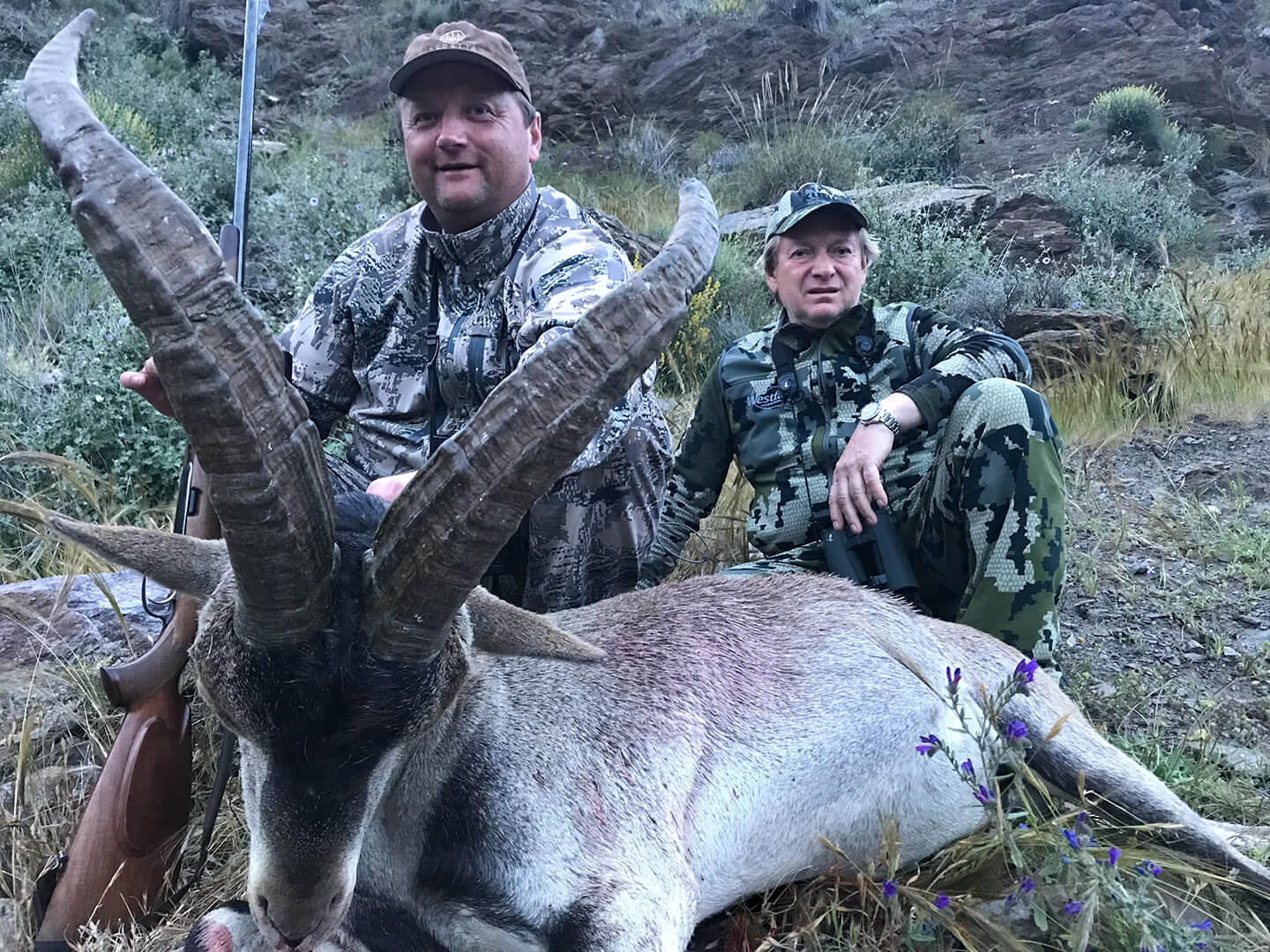
This subspecies in particular shows a great variety of horn shapes. In body weight it is somewhat lighter than the males from the Gredos and the Beceite, but heavier than those from the Ronda range. The coat colour is usually mid-brown, with variations towards lighter or darker. Horn lengths of up to 88 centimetres have been measured on top trophies; the average is 70 to 75 centimetres. There is no trophy limit.

Request personal advice →
Oct–May
SEASON
Heaviest subspecies
SPECIAL FEATURE
Eastern Spain
LOCATION

The heaviest subspecies on the Mediterranean coast

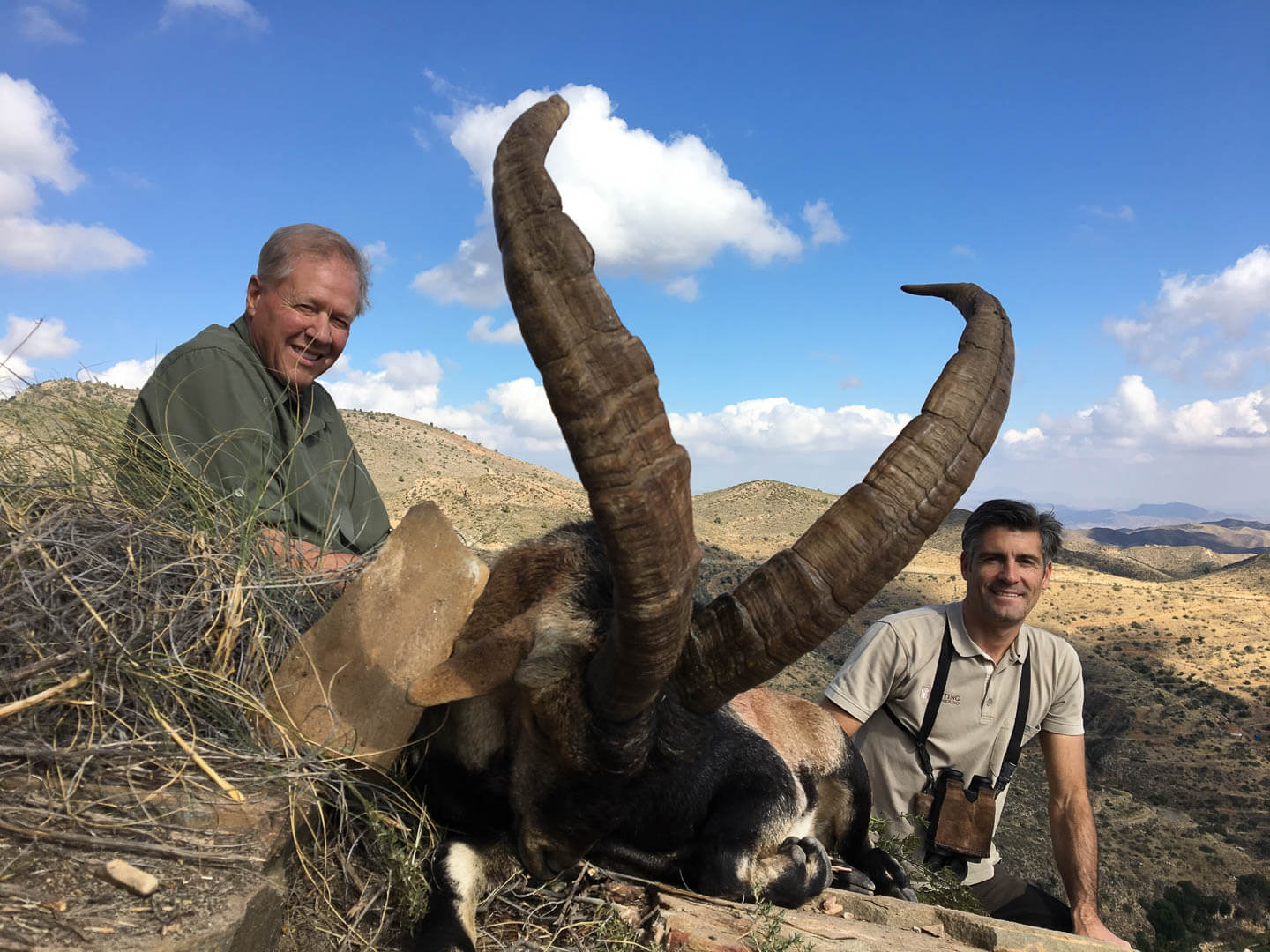
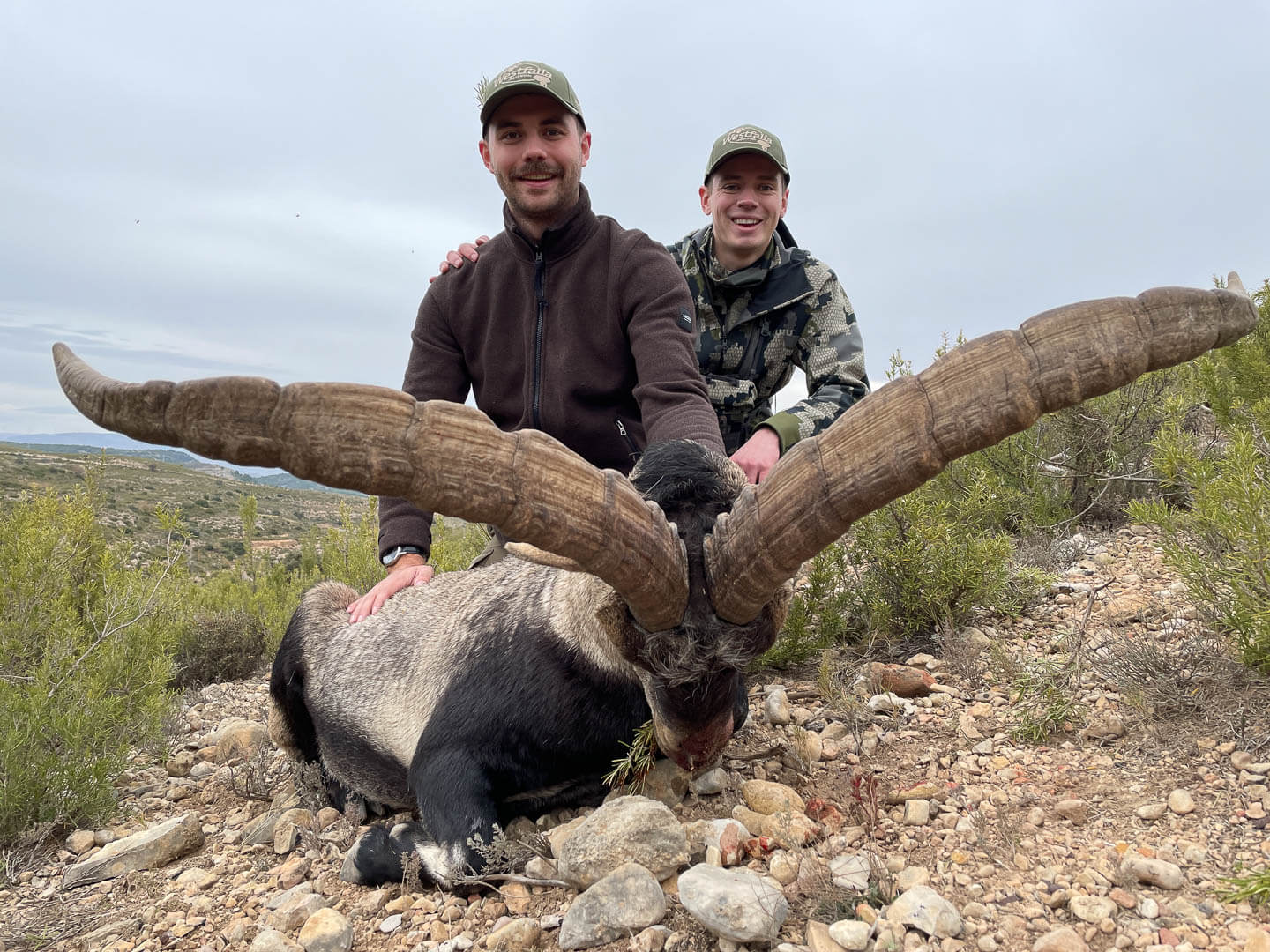
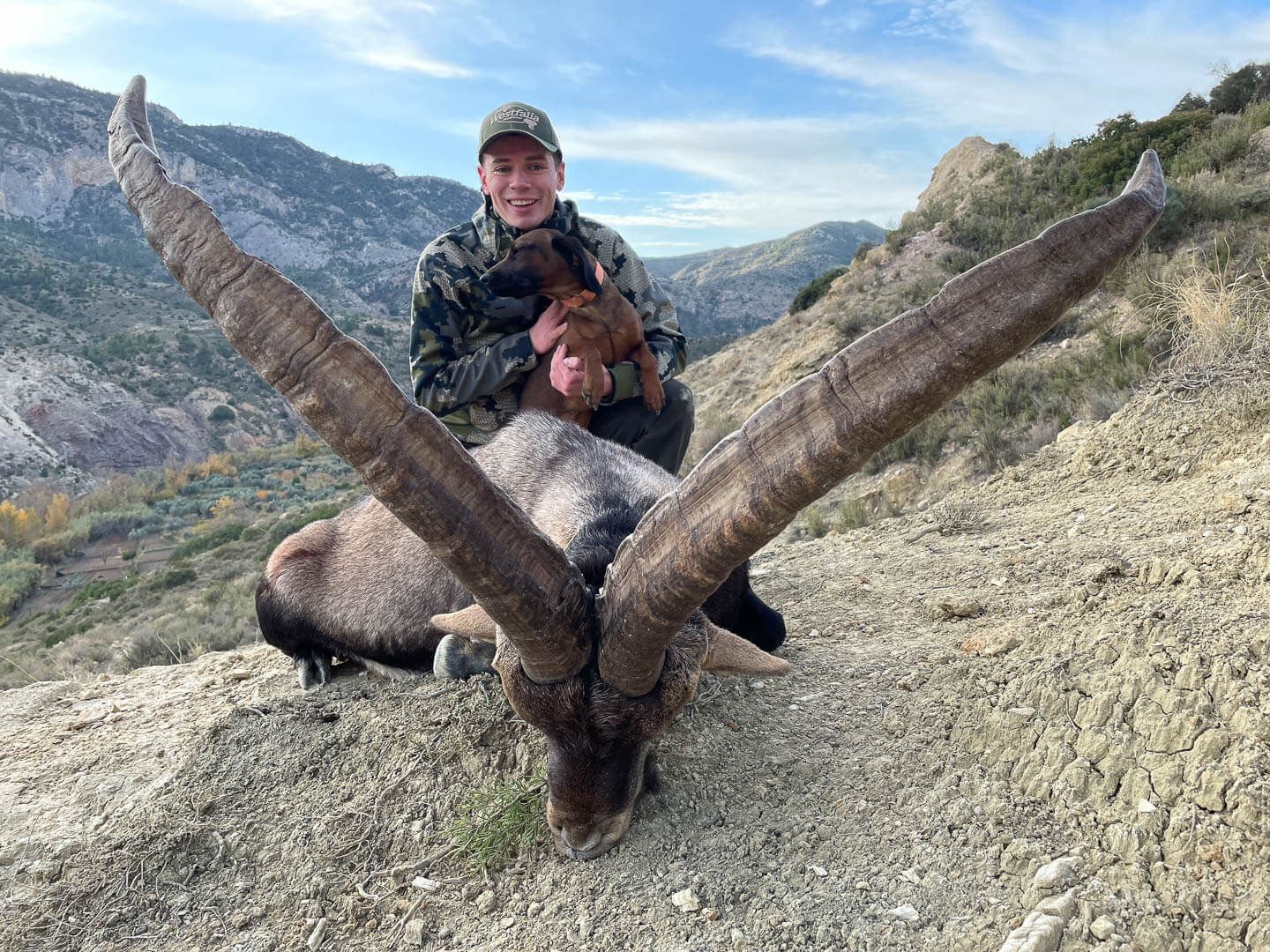
The Beceite range lies in eastern Spain near the Mediterranean coast. The ibex native here is the heaviest of the four subspecies by carcass weight and carries the darkest coat. Characteristic are the straight horns, spiralling outwards, and the constant horn circumference into the middle third, tapering only towards the tip. In horn length the Beceite is comparable to the Gredos.

‍

Thanks to strict protection, the populations have grown considerably over the past two decades. The mountains are easy to walk and suitable even for the less fit hunter. You hunt for the trophy class of your choice.

Request personal advice →
Oct–Apr
SEASON
Smallest subspecies
SPECIAL FEATURE
Southern Spain
LOCATION

The smallest subspecies – and the most accessible

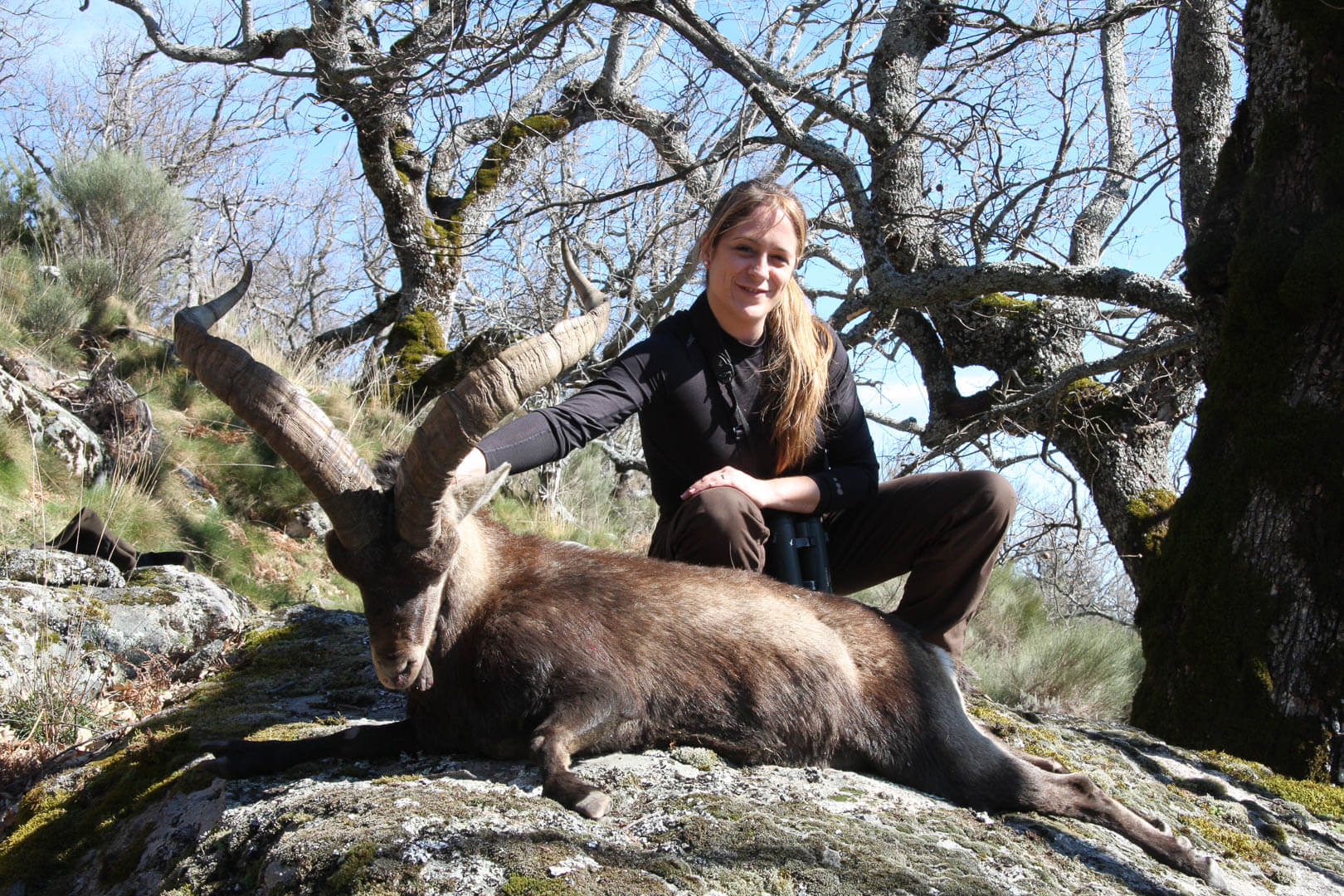
The Ronda ibex lives in southern Spain in a mountain range of the same name. The mountains are lower than the other Spanish ibex ranges and therefore particularly suited to hunters who are no longer so steady on their legs. Horn lengths rarely exceed 68 centimetres.

‍

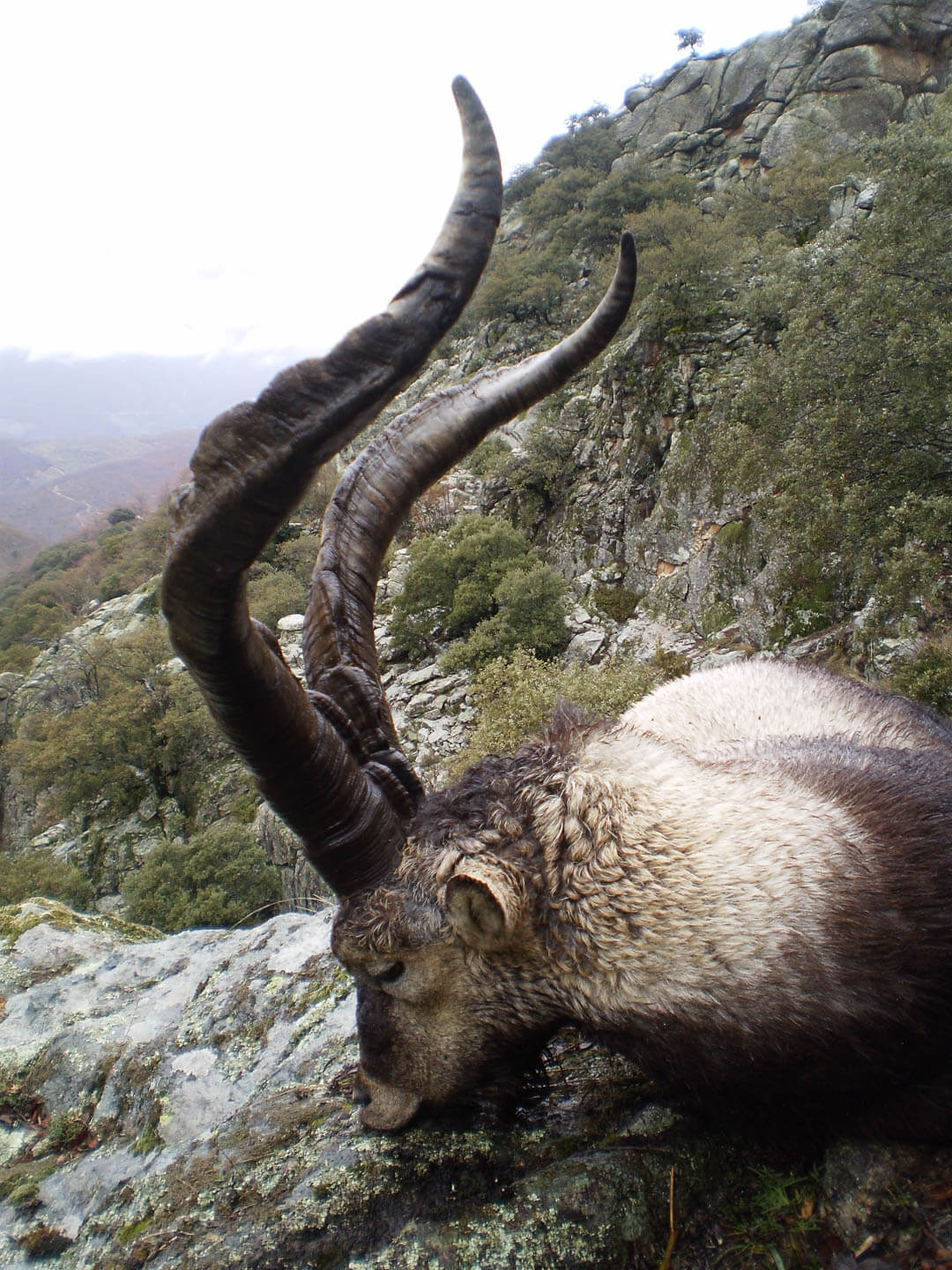
Despite its smaller dimensions, this subspecies holds particular appeal for hunters who know the Alpine ibex: in horn shape, the Ronda resembles it more closely than any other Spanish ibex. The coat is usually light brown.

Request personal advice →
Sep–Mar
SEASON
Horns up to 95 cm
SPECIAL FEATURE
Central Spain
LOCATION

Lyre-shaped horns in the mountains west of Madrid

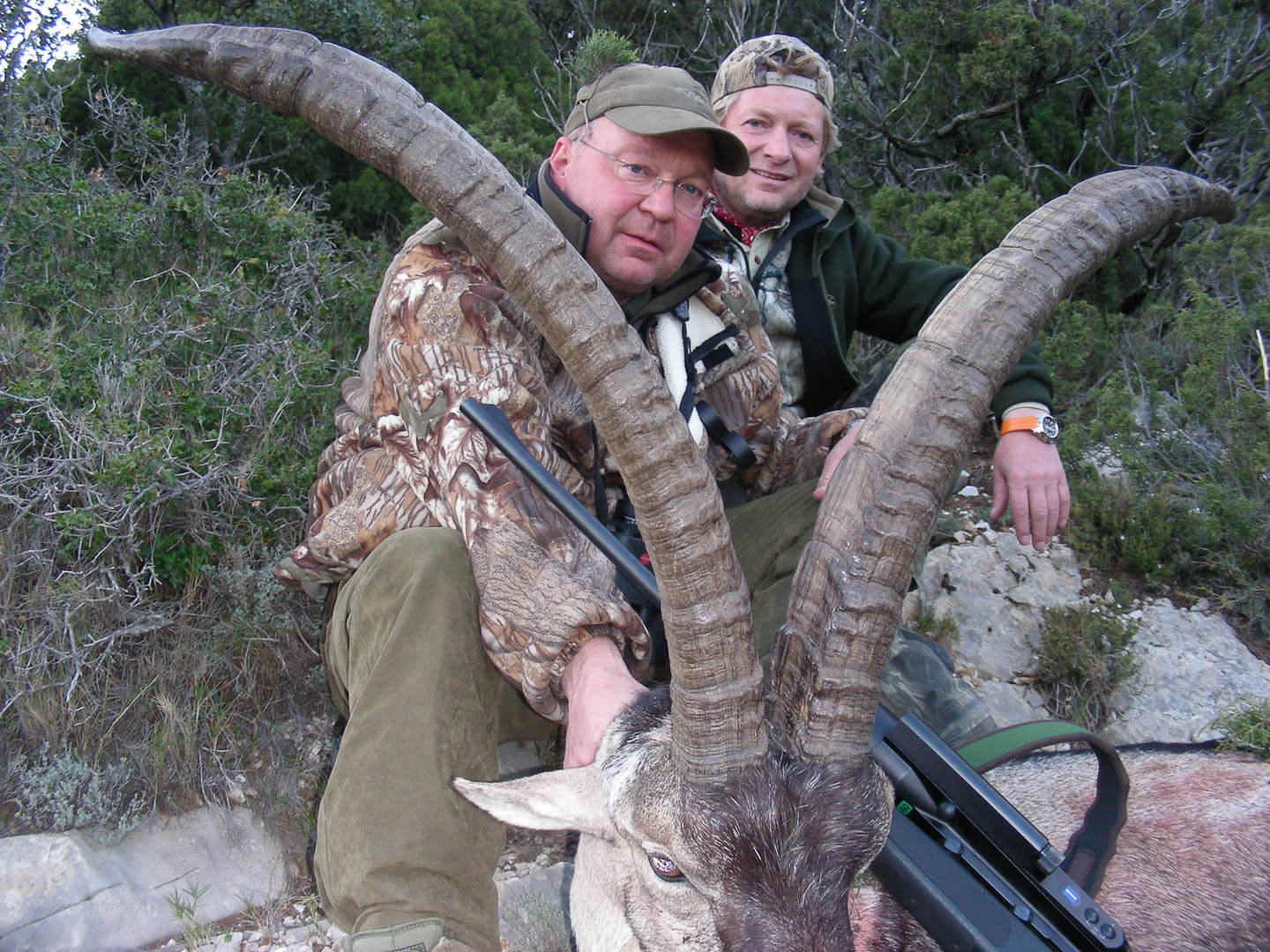
The Gredos mountains lie in central Spain west of Madrid, in the provinces of Ávila, Toledo and Cáceres. The highest peak is the Pico Almanzor at 2,592 metres. The Gredos ibex is among the best-known subspecies: males weigh up to about 80 kilograms, the horns reach up to 95 centimetres in length, and the horn base can measure 28 centimetres on top trophies.

‍

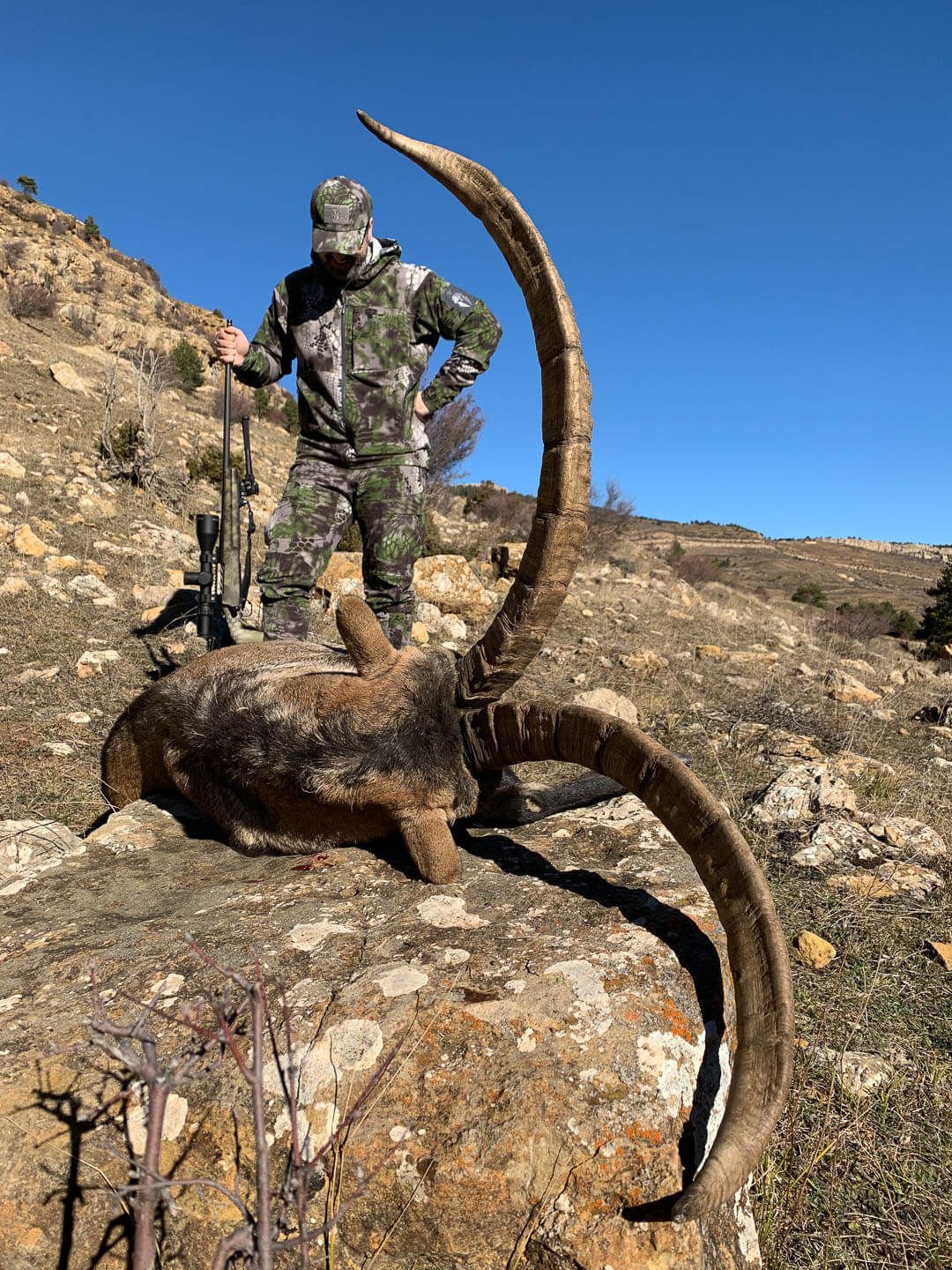
Characteristic is the lyre shape – the horns grow upwards from the base, curve sideways after the first third and turn back and up again in the last third. After the Beceite, the Gredos is the second-heaviest subspecies. Ibex are active by day; two to three hunting days are usually enough.

Request personal advice →
— Reviere —
Lageplan der Reviere
Karte öffnen
Sunset over the Puertos de Beceite, Spain – Westfalia Jagdreisen
— START YOUR JOURNEY —

Your enquiry

No obligation and free of charge – you will receive a personal offer within 2–3 working days.

Fields marked * are required.
Would you like to add a personal message?
Thank you for your enquiry! We will get back to you personally within 2–3 working days.
Something went wrong. Please try again.
— WHY WESTFALIA —

Your security, our promise

Ethical hunting

We only offer hunting grounds we know first-hand – hunting follows the rules of the host country, with partners and guides who share our values.

Exclusive hunting grounds

Since 1989 we have built up access to hunting grounds worldwide, including territories available only through us.

Full-service care

From planning and permits to trophy shipping – reachable 24/7 via our emergency line while you travel.

Protected & transparent

Your hunting trip with us is protected by a statutory insolvency guarantee certificate (Sicherungsschein). Your offer shows clearly what the price includes – no hidden fees.